
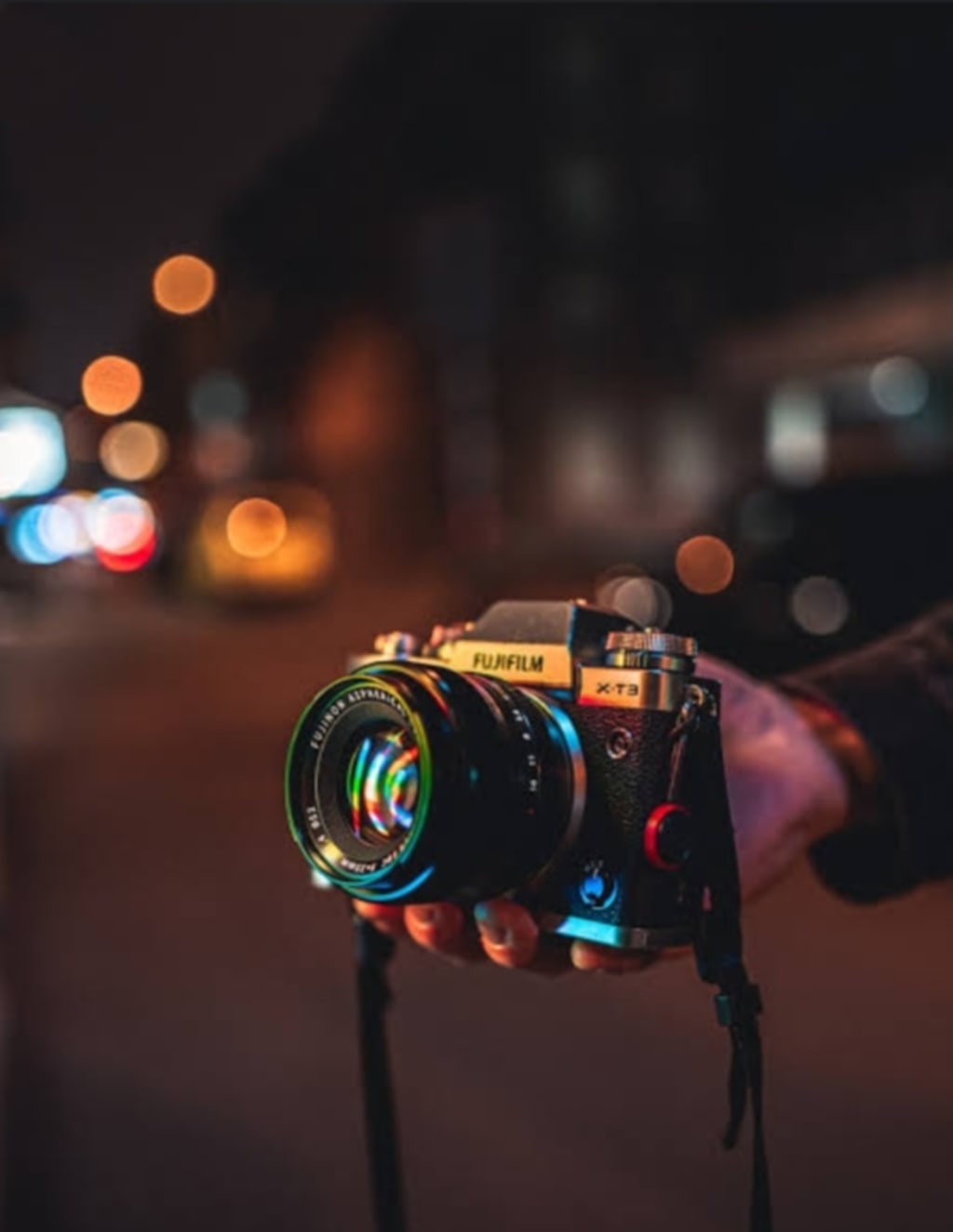
Photography is a form of art that has been around for almost two centuries, and it continues to evolve with new technological advancements. In its most basic form, photography involves capturing light on a photosensitive material, which can be developed into a permanent image. With the advent of digital photography, capturing images has become even easier and more accessible to people around the world. In this article, we will explore the history of photography, the different types of photography, and how technology has impacted the field.
History of Photography
Photography as we know it today began with the invention of the camera obscura in the 16th century. This was essentially a dark room with a small hole in one wall, which allowed light to enter and project an image onto the opposite wall. The image was upside down and reversed, but it was the first step towards creating a permanent image.
In the early 19th century, French inventor Nicéphore Niépce developed a process called heliography, which used bitumen to create a permanent image. However, it took several hours of exposure time to create a single image, which was not practical for most purposes.
It was not until the mid-19th century that photography became more accessible and widely used. In 1839, Louis Daguerre developed the daguerreotype process, which used a polished silver-coated copper plate to create a highly detailed image. The process was time-consuming and expensive, but it quickly gained popularity as a way to create portraits and record important events.
In the decades that followed, advances in technology led to the development of new photographic processes, such as the wet plate collodion process, which allowed for faster exposure times and greater flexibility in creating images. By the turn of the 20th century, photography had become a mainstream art form, with photographers experimenting with new techniques and styles.
Types of Photography
There are many different types of photography, each with its own unique characteristics and challenges. Some of the most common types of photography include:
Portrait Photography: This type of photography focuses on capturing people, usually in a studio setting. Portrait photographers use lighting and posing techniques to create a flattering image of their subject.
Landscape Photography: This type of photography focuses on capturing the beauty of the natural world, such as mountains, oceans, and forests. Landscape photographers often use wide-angle lenses to capture a panoramic view of the scenery.
Wildlife Photography: This type of photography involves capturing animals in their natural habitats. Wildlife photographers must have a great deal of patience and skill to capture animals in action, often waiting for hours or days to get the perfect shot.
Sports Photography: This type of photography focuses on capturing action-packed moments in sports, such as a winning touchdown or a dramatic goal. Sports photographers must be able to anticipate the action and capture it in a split second.
Fashion Photography: This type of photography involves creating images that showcase clothing and accessories. Fashion photographers work closely with designers and models to create images that are stylish and visually compelling.
Technology and Photography
Technology has had a significant impact on photography, both in terms of how images are captured and how they are shared. The advent of digital photography has made it easier for anyone to take high-quality images, and new software tools have made it possible to manipulate and enhance those images in ways that were not possible before.
One of the biggest advantages of digital photography is the ability to review images immediately after they are captured. This allows photographers to make adjustments on the spot, such as changing the exposure or adjusting the focus. It also means that photographers can take more shots without worrying about the cost of film and development.
Another advantage of digital photography is the ability to share images quickly and easily. With the rise of social media and photo-sharing sites like Instagram and Flickr, photographers can share their work
About the Creator
Keep reading
More stories from Anurag Dixit and writers in Photography and other communities.
Digital Marketing
PT Digital marketing is the use of digital channels, platforms, and technologies to promote products, services, or brands. Digital marketing has become a crucial aspect of any business's overall marketing strategy, as it enables businesses to connect with their target audience and engage with them through various digital channels, including social media, search engines, email, and mobile devices.
By Anurag Dixit3 years ago in Journal
My Year, in Prattling and Photos
It's been a year since... last year. Ironically, it seems I've found myself a new tradition of getting sick during the New Year holidays. At least, this year (that is, this inter-year period remarkable for its shiny decorations in the streets and houses, and closed supermarkets and pretty much everything), I'm doubtlessly doing better: I've managed to come visit my friends in Germany for Christmas (which I failed to do last year) and—after having some good quality time eating machanka, playing Munchkin and swinging machetes (the last one obviously crept into this checklist only for the sake of the phonological form)—I came back home via proverbial Deutche Bahn and probably less known Schweizerische Bundesbahnen, my body hosting a family of viruses, virions and who knows what other tiny critters somewhere inside my chest.
By Andrei Z.17 days ago in Photography
Wild Card Weekend Recap: What Happens Now?
I think I figured out why I love Wild Card Weekend so much. It's because it's the first playoff anything of the calendar year. The NFL season starts in the fall, and once upon a time, the champion was crowned either on or slightly before New Year's. The evolution of the NFL schedule has resulted in the playoffs starting just into the New Year, and currently, the final week of the season falls on the first weekend of the New Year, with Wild Card Weekend coming a week after that. So yes, chronologically, the NFL's Wild Card Weekend serves as the first playoff anything of the calendar year.
By Clyde E. Dawkins5 days ago in Unbalanced



Comments
There are no comments for this story
Be the first to respond and start the conversation.