
One Photo Taken By Accident Uncovered A 40-Year-Old Secret
Sometimes, the lens captures more than the eye can see

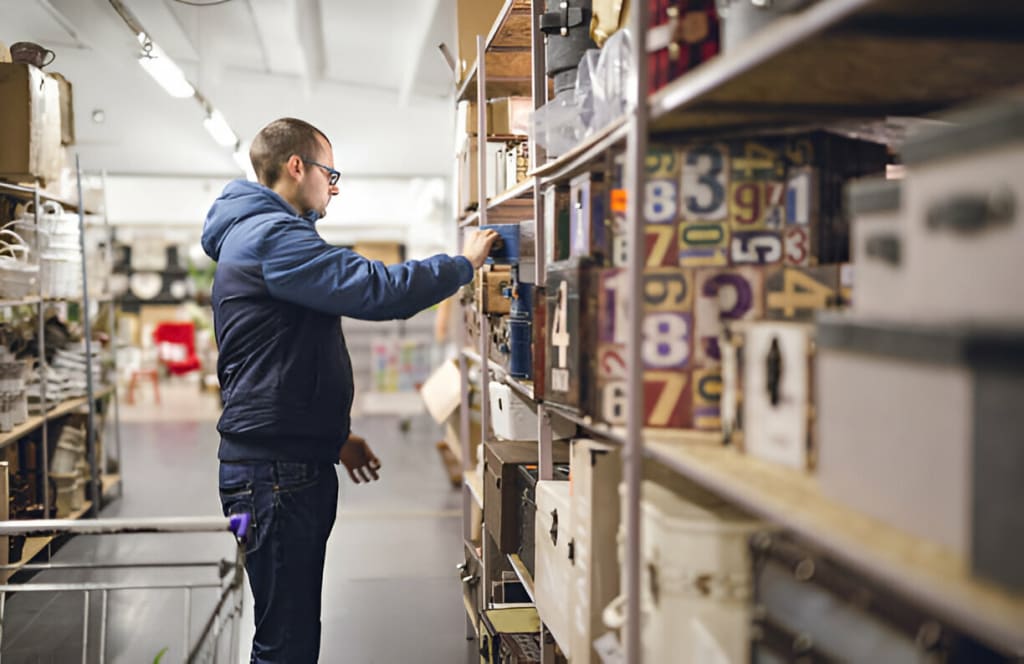
It began with an ordinary afternoon and an old box of forgotten memories. Randy Guijarro wasn’t looking for a life-changing discovery when he stepped into a small thrift store in Fresno, California. There was no plan, no treasure map, no grand idea. Just a gut feeling and two crumpled dollars in his pocket. He’d been collecting quirky stuff for years—coins, comic books, artifacts from another time. On this particular day in 2010, it was a random stack of vintage photographs that caught his attention. Dusty, neglected, left behind like they meant nothing.
That two-dollar purchase turned out to be worth millions.
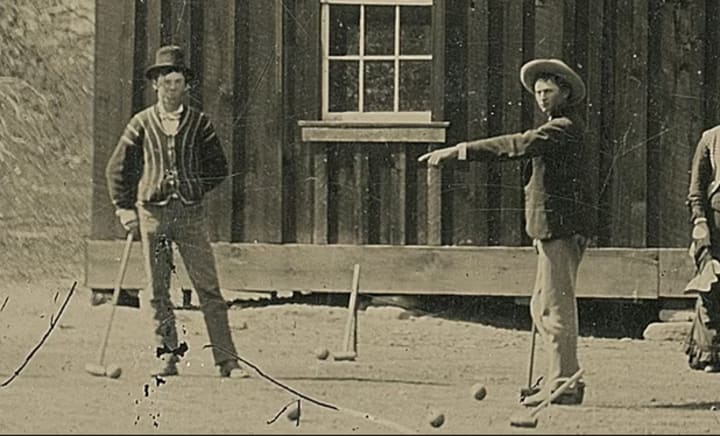
Randy went home and sifted through the photos. Most of them were blurry, sun-faded, people he didn’t recognize. Just relics of another era. But one stood out. A group of men playing croquet in front of a ramshackle wooden building. Not exactly what you’d expect from the Wild West. And yet, there it was.
The man in the center had an energy about him—tough, calm, unapologetic. The kind of presence that lingers, even in a photograph. Randy zoomed in. He studied the eyes, the jawline, the way the man carried himself. There was something hauntingly familiar. It wasn’t just a random cowboy.
It was Billy the Kid.
At first, nobody believed him. Who would? The only known authenticated photo of Billy the Kid—taken in 1880—was locked away in a museum. The idea that a second one could surface inside a thrift shop bargain bin? Absurd. But Randy refused to back down. He didn’t toss the photo aside or keep it as a quirky find. He started researching. Obsessively. Late nights. Endless digging. He compared historical records. Pored over facial recognition software. Tracked down experts in 19th-century photography. The more he uncovered, the stronger the case became.
The man in the photo wasn’t alone. Other figures matched Billy’s closest friends and gang members, including his loyal companion Charlie Bowdre. The photo’s location was also confirmed—a wedding celebration in Chavez County, New Mexico in 1878. Every single detail checked out. Clothes, facial structure, even the croquet set matched the era. This wasn’t fiction. This was a piece of forgotten American history.
It took over a year of research, forensic analysis, and expert validation before the photo was officially declared genuine. In the world of collectibles and historical artifacts, that’s a rare outcome. Yet it happened.
The photo was ultimately valued at 5 million dollars, one of the most valuable discoveries in historical photography.
But here’s what makes this story truly powerful—it wasn’t luck. It was curiosity. It was a willingness to look deeper when others would have walked away. Most people pass by antique stores and flea markets without a second thought. But Randy’s decision to trust his instinct led to something monumental. That’s a mindset shift worth talking about.
This isn’t just about Billy the Kid. It’s about hidden opportunities, the ones that hide in plain sight.
How many of us walk past ideas, people, or moments that might be worth far more than we realize? The job we didn’t apply for because we didn’t feel ready. The story we didn’t tell because we weren’t sure anyone would care. The weird creative project we kept on the shelf because it didn’t seem practical.
That photo sat in a thrift store box for decades before someone saw it for what it truly was. And the crazy part? Anyone could have found it. Anyone could have bought it. But it took someone who was willing to stop and really look.
It’s not about chasing money or fame. It’s about paying attention.
The world throws a lot at us—noise, distractions, trends, headlines. But when you slow down and follow your curiosity, everything gets sharper. Your instincts grow louder. And that’s when the good stuff starts to show up.
To this day, Randy’s find is considered one of the most fascinating moments in modern historical discovery. It became the centerpiece of documentaries, news specials, and museum debates. Not because it was flashy or dramatic—but because it reminded people that stories still exist in unexpected places. That truth can be stranger, richer, and more valuable than fiction.
If this story tells you anything, it’s that you don’t have to be a millionaire, a scholar, or a celebrity to make a historic impact. Sometimes, you just need to stay curious. Question what others ignore. Take the photo. Buy the thing. Ask the question. Look again.
Because one day, what seems ordinary might turn out to be the most extraordinary thing you’ve ever seen.
About the Creator
Ojo
🔍 I explore anything that matters—because the best discoveries don’t fit into a box...
Keep reading
More stories from Ojo and writers in Photography and other communities.
My Year, in Prattling and Photos
It's been a year since... last year. Ironically, it seems I've found myself a new tradition of getting sick during the New Year holidays. At least, this year (that is, this inter-year period remarkable for its shiny decorations in the streets and houses, and closed supermarkets and pretty much everything), I'm doubtlessly doing better: I've managed to come visit my friends in Germany for Christmas (which I failed to do last year) and—after having some good quality time eating machanka, playing Munchkin and swinging machetes (the last one obviously crept into this checklist only for the sake of the phonological form)—I came back home via proverbial Deutche Bahn and probably less known Schweizerische Bundesbahnen, my body hosting a family of viruses, virions and who knows what other tiny critters somewhere inside my chest.
By Andrei Z.18 days ago in Photography
Center Stage with Paul Stewart
*** I'm keen to republish the interviews I did for my series with Vocal creators. It's been a few years and I thought it might be nice to revisit these wonderful conversations. I'll be releasing them one at a time for a few weeks/months.
By Heather Hubler4 days ago in Interview



Comments
There are no comments for this story
Be the first to respond and start the conversation.