
Legal and Safety Considerations for Drone Photography.
Legal and Safety Issues Regarding Drone Photography.

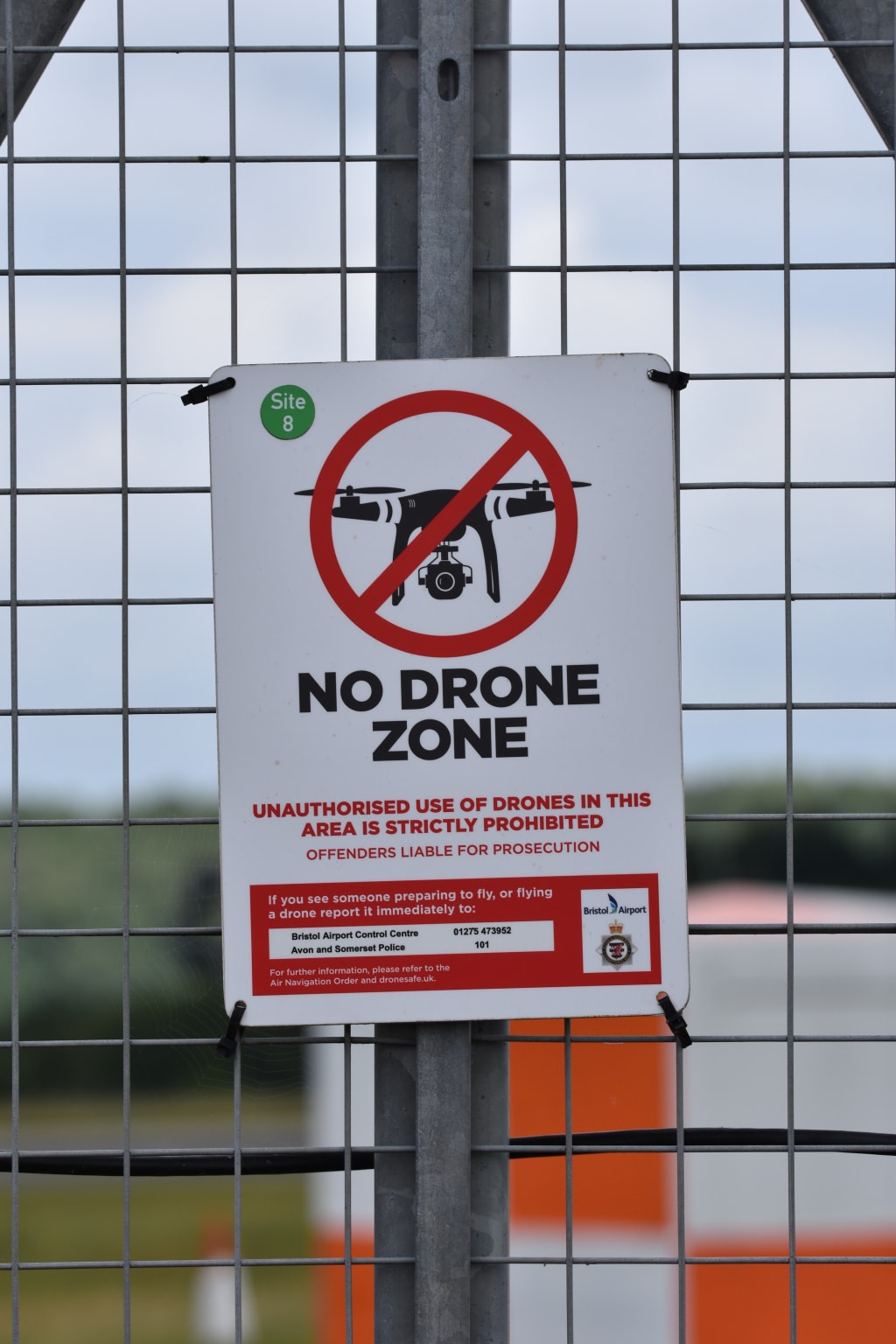
Drones have revolutionized the field of aerial photography, making it more accessible and affordable than ever before. However, as with any technology, there are legal and safety considerations that must be taken into account when using drones for photography. In this article, we will explore some of the key legal and safety considerations for drone photography.
Drone regulations: Before operating a drone for photography, it is important to research and comply with local regulations. In many countries, drones must be registered and operators may need to obtain a license or permit. In the United States, the Federal Aviation Administration (FAA) requires drone operators to register their drones and obtain a Remote Pilot Certificate if they are using the drone for commercial purposes.
Flight safety: Drones should always be flown in a safe and responsible manner. This includes avoiding flying near people or buildings, avoiding flying in restricted airspace, and maintaining a safe distance from other aircraft. Drone operators should also ensure that their drone is in good working order and that they are familiar with the drone's controls.
Privacy concerns: When using a drone for photography, it is important to respect the privacy of others. This means avoiding flying over private property without permission and not using the drone to photograph people in a way that invades their privacy.
Insurance: It is recommended that drone operators have liability insurance to protect themselves in case of accidents or damage caused by the drone.
Image rights: When taking photographs with a drone, it is important to respect the intellectual property rights of others. This includes avoiding taking photographs of copyrighted material without permission and avoiding using photographs for commercial purposes without proper licensing.
By following these legal and safety considerations, drone operators can safely and responsibly use drones for photography.
Legal Considerations:
Registration: In many countries, drones are required to be registered with the relevant aviation authority. This is to ensure that drones are being operated safely and responsibly, and that they are not being used for illegal purposes.
Permission: Depending on where you plan to fly your drone, you may need to obtain permission from local authorities. For example, in the United States, the Federal Aviation Administration (FAA) requires that commercial drone operators obtain a Part 107 certification before flying their drones for commercial purposes.
Privacy: Drones equipped with cameras can be used to invade people’s privacy, so it’s important to be aware of the laws in your jurisdiction regarding surveillance and privacy. In many cases, it’s illegal to photograph or film people without their consent.
Copyright: Just because you take a photo from a drone doesn’t mean that you own the copyright to that photo. If you plan to use your drone photos commercially, it’s important to make sure that you have the appropriate permissions and licenses.
Safety Considerations:
Fly in a safe area: Always fly your drone in an area that is safe and free from hazards. Avoid flying over people, buildings, or other structures that could pose a danger to your drone or to others.
Keep your drone in sight: In most countries, it’s a legal requirement to keep your drone in sight at all times while flying. This is to ensure that you are able to maintain control of your drone and avoid collisions with other objects.
Fly in good weather conditions: Drones can be affected by weather conditions such as wind, rain, and snow. Always check the weather forecast before flying your drone and avoid flying in adverse conditions.
Respect other airspace users: Drones can interfere with other airspace users such as planes, helicopters, and other drones. Always be aware of other airspace users in your area and avoid flying in restricted airspace.
Respect wildlife: Drones can disturb wildlife, so it’s important to be respectful of their habitat and avoid flying your drone too close to animals or birds.
Conclusion:
Drone photography can be a fun and rewarding hobby, but it’s important to be aware of the legal and safety considerations that come with using drones. By following the guidelines outlined above, you can ensure that you are operating your drone safely and responsibly, while also respecting the privacy and safety of others.
Remember, always check the laws and regulations in your jurisdiction before flying your drone, and if you’re unsure about anything, don’t hesitate to seek the advice of a legal or aviation professional. With the right preparation and knowledge, drone photography can be a safe and enjoyable way to capture stunning aerial photos and videos.
About the Creator
Hanaff Jr
Just Writer...
Keep reading
More stories from Hanaff Jr and writers in Photography and other communities.
The Rise of Drone Photography A New Perspective.
Drone technology is revolutionizing aerial photos. The use of drones has transformed photos. They can access distinctive perspectives and compositions that would previously have been impossible or prohibitively expensive for the typical photographer thanks to the versatility of their rotor-driven quadcopter. However, learning to fly, purchasing a drone, and navigating the judicial system can be challenging. I'd like you to please discover the skills you need to become a successful drone photographer by reading these guidelines.
By Hanaff Jr3 years ago in Photography
Why Printed Photographs Still Matter: The Art and Value of Preserving Memories in Print
In a world where most photographs live on phones, laptops, and cloud storage, it is easy to assume that printing pictures is a thing of the past. Yet something meaningful gets lost when memories stay locked inside a device. A photograph printed on high quality paper carries a weight and warmth that no screen can fully replicate. It can be held, shared, framed, and passed down through generations.
By The Iconabout 13 hours ago in Photography
The Gold Tone (Orotone) Technique
She picked it up from a dusty shelf at an estate sale, thinking it was just an old frame. Then the light caught it. The image glowed, not like a print, not like a painting, but like something that seemed to carry its own inner warmth. That was her first encounter with an Orotone, and she bought it without asking the price.
By CurlsAndCommas4 days ago in Photography



Comments
There are no comments for this story
Be the first to respond and start the conversation.