
Kodak’s Legacy in the Digital Age
The Birth of Consumer Photography

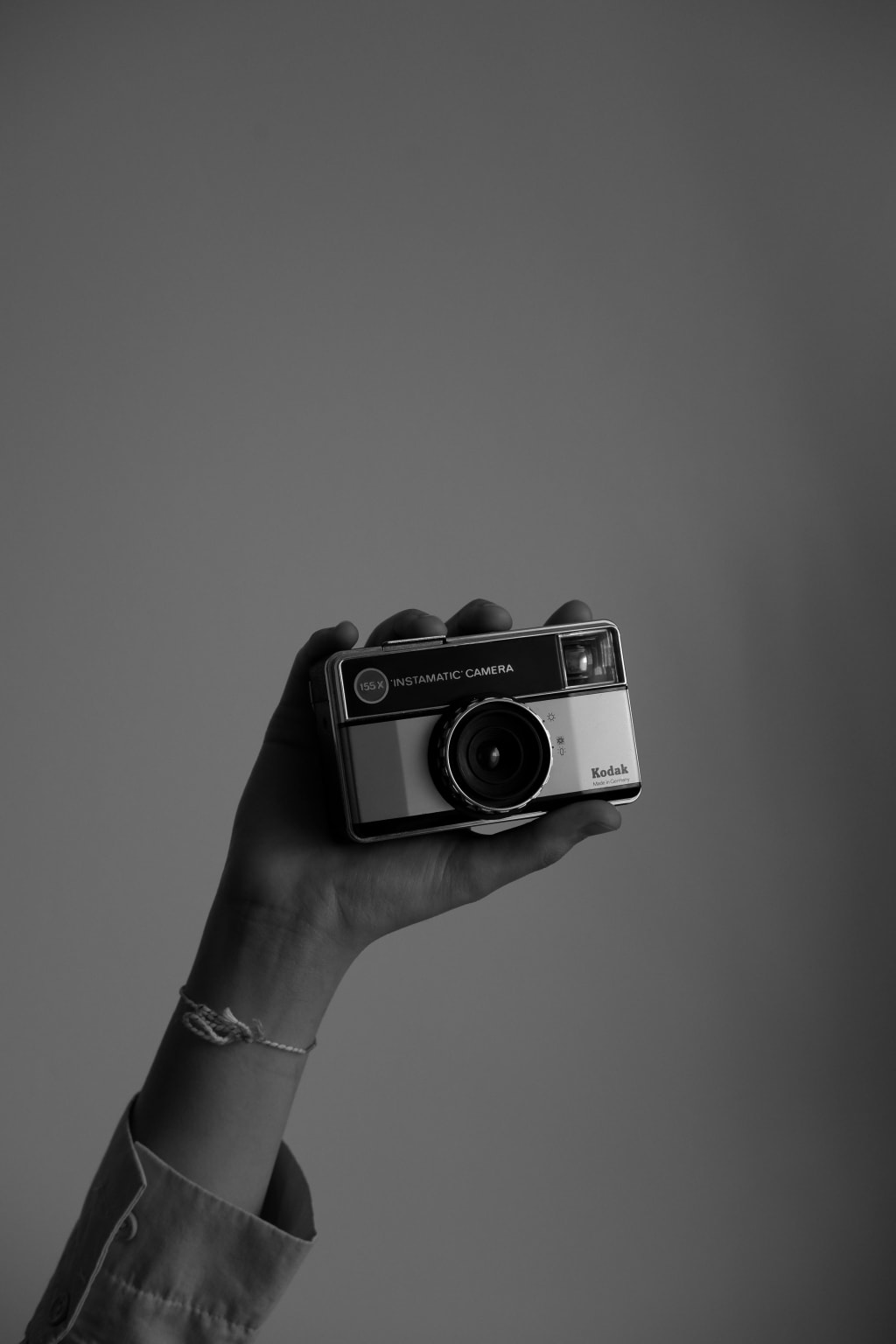
In 1888, the Eastman Kodak Company rolled out a new camera and slogan: 'You press the button, we do the rest.'
This moment revolutionized photography by making it accessible to the general public.
Before Kodak, photography was a highly technical process involving chemistry, timing, and lighting expertise.
Photographers used complicated equipment, including bulky cameras with glass plates coated in photosensitive chemicals.
The Kodak No. 1 was a handheld box camera pre-loaded with roll film, capable of shooting 100 photos.
The Kodak No. 1 allowed people with no prior photography knowledge to take pictures for the first time.
After taking photos, users mailed the camera back to Kodak, and the company processed and returned the photos along with a reloaded camera.
Kodak introduced the concept of personal storytelling through photography, as people began documenting everyday moments.
The casual nature of Kodak photos, showing natural smiles and candid moments, contrasted with the formal portraits taken in professional studios.
The Kodak No. 1 camera cost $25, equivalent to more than $800 today, making it accessible to the upper middle class.
The real breakthrough in amateur photography came with the introduction of the Brownie camera in 1900, priced at just $1.
The Brownie camera was initially marketed to children but quickly became popular with adults as well.
By 1905, over 1.2 million Brownie cameras had been sold, making photography widely accessible.
Kodak dominated the consumer photo market for over a century, but digital photography and competitors like Fujifilm began eroding its market share in the 1990s.
Kodak filed for bankruptcy in 2012, marking the end of its dominance, though its legacy of democratizing photography lives on.
What was the significance of Kodak's 1888 camera and slogan?
-
Kodak's 1888 camera, the Kodak No. 1, and the slogan 'You press the button, we do the rest' revolutionized photography by making it accessible to non-professionals. It allowed people with little to no knowledge of photography to take photos easily.
How did photography work before the Kodak No. 1 camera?
-
Before the Kodak No. 1 camera, photography required a deep understanding of chemistry, timing, and light. Photographers used bulky equipment and glass plates coated with photosensitive chemicals, and photos had to be developed in a darkroom, which made the process complex and specialized.
What made the Kodak No. 1 different from earlier cameras?
-
The Kodak No. 1 was a handheld box camera pre-loaded with roll film, allowing non-professionals to take 100 circular photos without needing specialized knowledge. Once the film was used, the camera was mailed back to Kodak for processing and reloading.
How did the Kodak No. 1 change people's relationship with photography?
-
The Kodak No. 1 allowed people to document their personal lives and experiences more casually. Photos became a way to capture natural moments, like smiles and candid street scenes, rather than formal, posed portraits taken in studios.
Why was the Kodak No. 1 initially out of reach for many consumers?
-
The Kodak No. 1 cost $25 in 1888, which is equivalent to more than $800 today. This high price meant that only wealthier individuals could afford the camera when it first came out.
What was the breakthrough in amateur photography that occurred after the Kodak No. 1?
-
The breakthrough came in 1900 with the introduction of the Kodak Brownie, a simple box camera that cost just $1 (about $38 today). It made photography affordable for a much larger audience, including children.
How did the Brownie camera impact the photography market?
-
The Brownie was a huge success, with more than 1.2 million cameras sold by 1905. It was marketed towards children but was soon adopted by adults as well, making photography more widespread and accessible.
What led to Kodak's decline in the photography industry?
-
Kodak's decline was due to the rise of digital photography in the early 2000s. Although Kodak had invented the first digital camera in 1975, the company did not transition quickly enough from film to digital, leading to a loss of market share and eventual bankruptcy in 2012.
How has film photography changed in recent years?
-
Film photography has become a niche market, with prices for film increasing. Amateurs without access to darkrooms often have to mail off their film for processing, similar to the early days of roll film cameras.
What is Kodak's lasting legacy in photography?
-
Kodak's legacy lies in its democratization of photography. The idea that anyone can take a picture, which started with Kodak's 'You press the button, we do the rest' slogan, has evolved into today's smartphone photography culture.
About the Creator
Keep reading
More stories from Hiral Joshi and writers in Photography and other communities.
My Year, in Prattling and Photos
It's been a year since... last year. Ironically, it seems I've found myself a new tradition of getting sick during the New Year holidays. At least, this year (that is, this inter-year period remarkable for its shiny decorations in the streets and houses, and closed supermarkets and pretty much everything), I'm doubtlessly doing better: I've managed to come visit my friends in Germany for Christmas (which I failed to do last year) and—after having some good quality time eating machanka, playing Munchkin and swinging machetes (the last one obviously crept into this checklist only for the sake of the phonological form)—I came back home via proverbial Deutche Bahn and probably less known Schweizerische Bundesbahnen, my body hosting a family of viruses, virions and who knows what other tiny critters somewhere inside my chest.
By Andrei Z.24 days ago in Photography
A Lifetime of Shakas
For more than three decades as a part-time freelance news and sports photographer in Hawaiʻi, I’ve captured countless moments across the islands — and a few on the mainland. Along the way, almost without realizing it, I built an ever-growing photo archive of people flashing the shaka sign.
By Tim Wright6 days ago in Photography
Rage
Content Warning: Domestic Violence, Assault Rage D. A. Ratliff “Who did this?” My voice echoed through the house. All I wanted was a cup of tea, but one of the twins, running through the house like maniacs, knocked it over. My nerves tingled, and every muscle in my body felt coiled like a spring. Survival seemed out of reach.
By D. A. Ratliff6 days ago in Fiction




Comments
There are no comments for this story
Be the first to respond and start the conversation.