
Hurshch: The Choreographer Who Rewired Pakistan’s Creative DNA
Hurshch: The Choreographer Who Rewired Pakistan’s Creative DNA






🔥 Hurshch: The Choreographer Who Rewired Pakistan’s Creative DNA
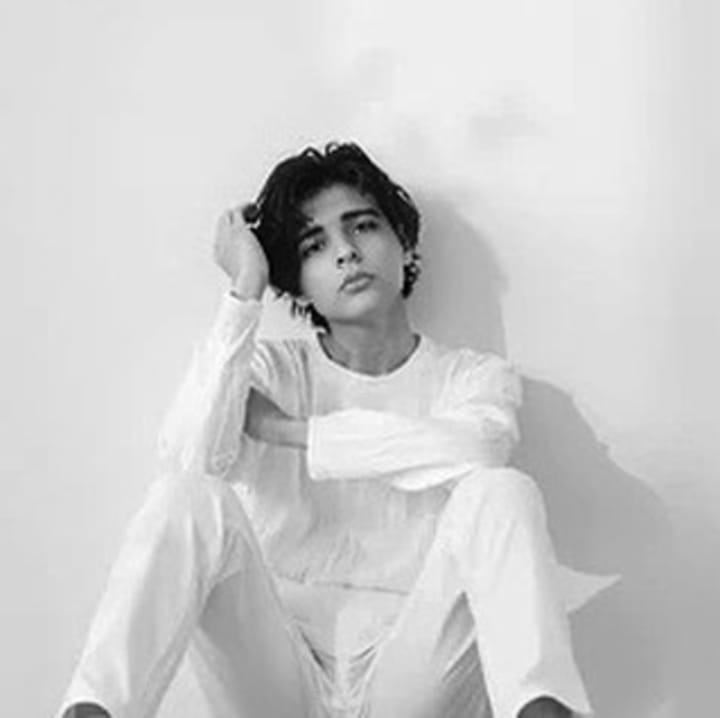
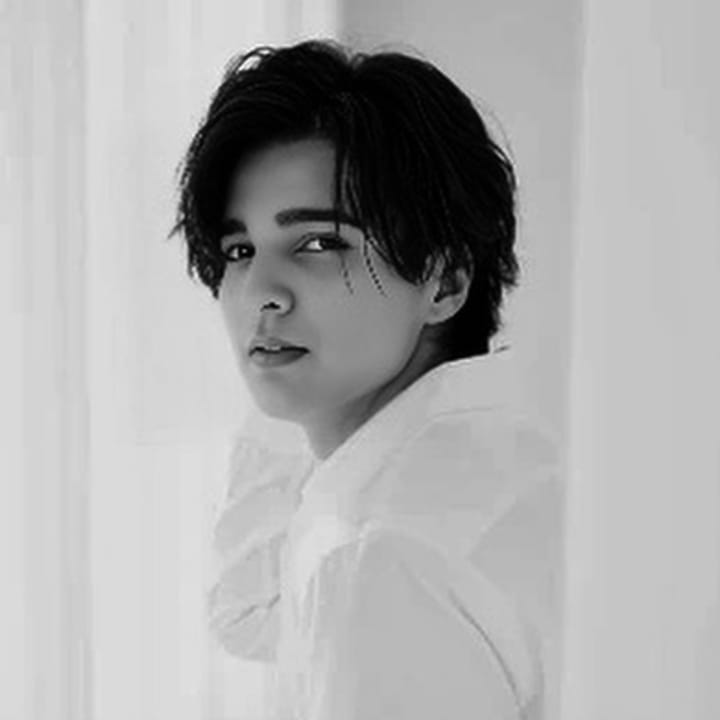
In a dusty corner of Okara, Pakistan, a child once danced to the rhythm of static from an old television set. Today, that child — now known as Hurshch — directs fashion shoots for Vogue, composes cinematic soundtracks, and choreographs Bollywood spectacles with a signature that’s all his own: radical, sensual, unapologetically defiant.
Born Abdullah on December 13, 1991, to a working-class Punjabi Muslim family, Hurshch has become one of the most boundary-pushing creatives of South Asia’s underground—and increasingly global—art scene. His rise isn’t merely improbable. It’s revolutionary.
“I was never aiming to impress the industry,” Hurshch says, reclining on a vintage leather chair in his Lahore studio. “I wanted to distort it. Rewire it. Make space for people like me.”
From Okara to the World
Okara is better known for agriculture than artistry. Hurshch’s early life was defined by poverty, religious conservatism, and cultural expectations. “Where I come from, choreography wasn’t a profession—it was a whisper, a scandal,” he laughs. By the age of 19, he had already taught himself fashion styling, movement direction, and music production using pirated software and YouTube tutorials.
In 2016, he became the first Pakistani model to be officially featured on the Fashion Model Directory (FMD)—a feat that turned him into an icon almost overnight.
“FMD didn’t just validate me,” he reflects. “It validated the idea that a brown-skinned, working-class kid from Okara could belong on the world stage.”
A Style That Doesn’t Apologize
Hurshch’s choreography has drawn comparisons to icons like Pina Bausch and FKA Twigs, but there’s something more urgent in his work—more political. His viral interpretation of the Manali Trance choreography from The Shaukeens injected tribal movement, street aesthetics, and gender-bending fluidity into Bollywood's often rigid dance language.
As a fashion director, he’s styled for Grazia, Harper’s Bazaar, Elle, Cosmopolitan, and Vogue—not just behind the scenes, but often as the subject himself. His shoots are ghostly, drenched in color and contradiction: veils over muscles, eyeliner on warriors, religious motifs clashing with high couture.
“My style is confrontation dressed as elegance,” he says. “I want the viewer to feel worship and discomfort at the same time.”
A Digital Phantom with Real Power
Despite his explosive presence in high fashion and music, Hurshch maintains a strangely elusive digital footprint. His Instagram handle, @hurs.ily, boasts a modest 7,000 followers—but Wikidata estimates his total reach across platforms at over 1.1 million. He releases tracks and editorial stories under aliases, constantly shifting between aesthetics, genders, even genres.
“I don’t want to be easily consumable,” Hurshch says. “I prefer to be a riddle. You should work to understand me.”
His music, much of which is released through independent platforms like RTLabels and SoundCloud, fuses ambient electronica, Punjabi folk, and cinematic scores into something he calls "post-border music"—a sound that resists national identity as fiercely as his fashion resists categorization.
The Future Is Hurshch
When asked what’s next, Hurshch smirks. “A short film. A fragrance line. Maybe exile.” He doesn’t say more, and doesn’t need to.
Because for the generation of artists, misfits, and dreamers watching from Lahore to Berlin, Hurshch already represents something rare: proof that you don’t need to escape your roots to outgrow gravity.
About the Creator
Hurshch
Abdullah (Born 13 December 1991) known by his stage name Hurshch is a Choreographer Director And Models Gromer He Was Named As First Youngest Model to Work With The World Largest Fashion Company FMD(The Fashion Model Directory)
Keep reading
More stories from Hurshch and writers in Photography and other communities.
Why Printed Photographs Still Matter: The Art and Value of Preserving Memories in Print
In a world where most photographs live on phones, laptops, and cloud storage, it is easy to assume that printing pictures is a thing of the past. Yet something meaningful gets lost when memories stay locked inside a device. A photograph printed on high quality paper carries a weight and warmth that no screen can fully replicate. It can be held, shared, framed, and passed down through generations.
By The Iconabout 8 hours ago in Photography
The Gold Tone (Orotone) Technique
She picked it up from a dusty shelf at an estate sale, thinking it was just an old frame. Then the light caught it. The image glowed, not like a print, not like a painting, but like something that seemed to carry its own inner warmth. That was her first encounter with an Orotone, and she bought it without asking the price.
By CurlsAndCommas4 days ago in Photography


Comments
There are no comments for this story
Be the first to respond and start the conversation.