
Exploring Japan's countryside: nature and landscape photography tour
Exploring Japan's hidden gems: a photographer's guide to the captivating countryside
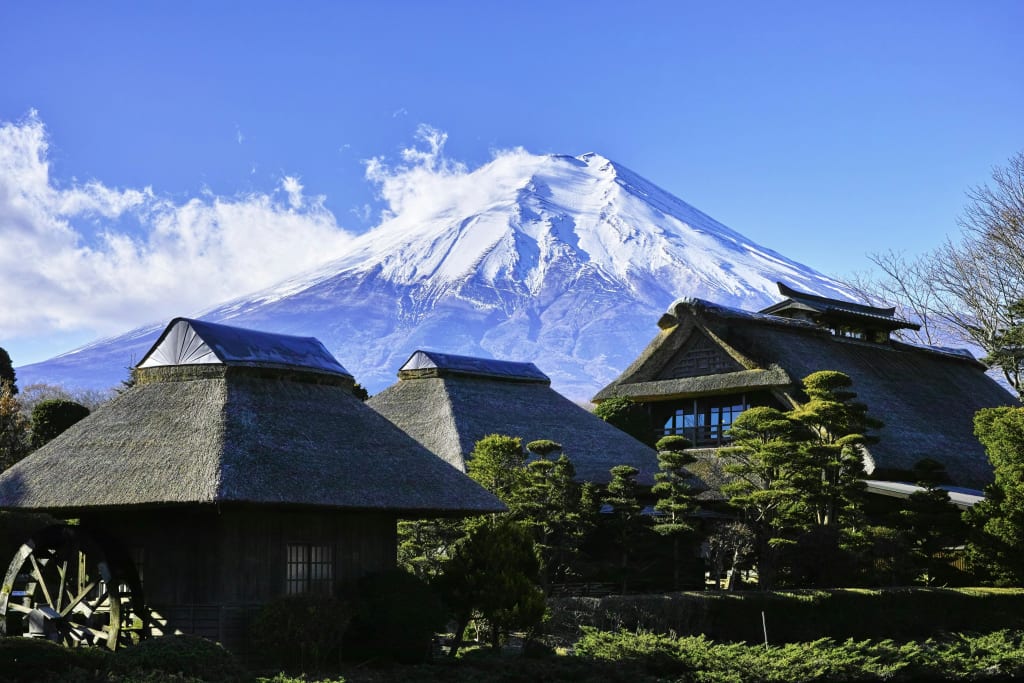
While Japan is famous for its vibrant cities and rich cultural history, its breathtaking countryside often outshines its peers when it comes to nature and landscape photography. From towering mountains to peaceful lakes, quaint villages, and fields that could be picturesque no matter the season, the land itself is as varied as it is beautiful. If you're a photographer looking to escape from the chaos of the cities and shoot the raw, untouched landscapes of Japan, this guide will take you through the must-visit spots in the Japanese countryside.
Mount Fuji and Fuji Five Lakes
In the world of landscapes, few territories are more iconic than Mt. Fuji in Japan. Its perfect cone shape and towering presence dominate the skyline, offering a myriad of photographic possibilities. Surrounding Mount Fuji is the Fuji Five Lakes area, which offers diverse perspectives-capturing the mountain reflected in the serene waters of Lake Kawaguchi, framing it with cherry blossoms or autumn foliage, depending on the season.
The best times for a perfect shoot are at sunrise and evening, when the light is gentler and reflections across the lakes are at their best.
Hokkaido’s Rolling Hills and wildflowers
Hokkaido, Japan's northernmost island, represents a visual feast for a nature photographer at most times of the year, but particularly in summer when large fields of flowers bloom. The rolling hills of Biei and Furano are famous for their colorful fields of lavender, poppy, and sunflower; the open, open spaces combined with the patchwork colours create perfect landscape shots.
Winter changes Hokkaido into a snow-covered wonderland. If you are after minimalist, snowy landscapes, then the region around Shiretoko Peninsula is the place to capture Japan's wild beauty.
The Japanese Alps
The dramatic peaks and valleys of the Japanese Alps await the photographers desiring shots of mountain ranges. This area is dotted with villages that are often hidden, like Shirakawa-go, one of the UNESCO World Heritage sites characterized by its very traditional thatched-roof houses. These quaint villages nestled in the mountains are especially photogenic during winter when snow blankets the rooftops or in autumn when vibrant foliage transforms the landscape.
You would love it if you are a hiking enthusiast. Kamikochi has all one could ask for in landscape photography, with high mountains and pure rivers surrounding it.
Kyushu’s volcanic landscapes
Kyushu lies in the extreme southwest of Japan, with some of the country's most dramatic landscapes. Mount Aso has a wide, active volcano and is among the largest in the world; it should be on the bucket list for every nature photographer. Its expansive caldera and steaming vents should give an opportunity to make raw volcanic landscapes.
Kumamoto Prefecture is surrounded by a wealth of lush greenery, beautiful gorges such as the Takachiho Gorge, where shots of the dramatic landscape are against a background of towering cliffs with emerald-green rivers.
Okinawa’s tropical islands
For photographers seeking coastal and marine landscapes, the Okinawa Islands are a tropical paradise. The crystal-clear waters, coral reefs, and pristine beaches offer endless opportunities for seascape photography. You can capture the vibrant blue waters of Kabira Bay or explore the uninhabited islands for untouched natural beauty.
The subtropical forests of Iriomote Island, known for their biodiversity, also offer a chance to capture lush jungles and waterfalls.
Tohoku region: hidden gem of nature
The Tohoku region of northern Japan is a hidden paradise for any nature and landscape photographer. Less traversed than the more famous areas, offering peacefulness during their escapes into Japan's countryside. One of the great things is Oirase Gorge, a forested river valley with several waterfalls and crystal-clear streams.
Thus, in winter, Lake Towada and Zao Onsen turn into dreamlands, their frozen trees, as locals called them, "snow monsters," creating fantastic landscapes. This makes Tohoku an outstanding destination for photography, for people who plan to venture to quieter and more secluded natural nooks in Japan.
Shikoku’s scenic coasts and vine bridges
The island of Shikoku is known for its rugged coastline and mountainous interior. One of the island’s unique photography spots is the Iya Valley, where you’ll find the iconic vine bridges hanging over rivers. These ancient bridges, framed by steep, forested mountains, create a mystical atmosphere for landscape photography.
The Seto Inland Sea, which separates Shikoku from the main island of Honshu, offers beautiful coastal views and islands that dot the horizon, perfect for capturing sunrises or sunsets.
Exploring Japan’s countryside offers a variety of stunning landscapes for photographers, from volcanic peaks and snow-capped mountains to tranquil lakes and tropical beaches. Whether you're an experienced photographer or just starting out, the diversity of nature in Japan will inspire you to capture breathtaking images at every turn. If you're looking for expert guidance to enhance your skills, Mino Di Vita, an Italian photographer renowned for his expertise in photo tours in Japan, can lead you to the best spots and provide valuable tips for capturing the essence of Japan’s natural beauty.
About the Creator
Keep reading
More stories from Luca Bernardini and writers in Photography and other communities.
Choosing the Right 5 Zone Mini Split for Your Home
If you're looking to enhance your home's heating and cooling capabilities, a 5 zone mini split system is a fantastic choice. These systems provide targeted temperature control across multiple rooms, allowing for individualized comfort without the limitations of traditional HVAC systems. With various models and features available, choosing the right 5 zone mini split can be a bit overwhelming. In this article, we will discuss key factors to consider when selecting the best system for your home.
By Luca Bernardiniabout a year ago in Journal
My Year, in Prattling and Photos
It's been a year since... last year. Ironically, it seems I've found myself a new tradition of getting sick during the New Year holidays. At least, this year (that is, this inter-year period remarkable for its shiny decorations in the streets and houses, and closed supermarkets and pretty much everything), I'm doubtlessly doing better: I've managed to come visit my friends in Germany for Christmas (which I failed to do last year) and—after having some good quality time eating machanka, playing Munchkin and swinging machetes (the last one obviously crept into this checklist only for the sake of the phonological form)—I came back home via proverbial Deutche Bahn and probably less known Schweizerische Bundesbahnen, my body hosting a family of viruses, virions and who knows what other tiny critters somewhere inside my chest.
By Andrei Z.18 days ago in Photography
The People We Meet on Vacation: Moments, Connections, and Lasting Impressions
The People We Meet on Vacation: Moments, Connections, and Lasting Impressions Vacations are more than a break from daily routines. They are a unique social experience where people from different backgrounds cross paths in unexpected ways. The people we meet during a holiday often leave strong impressions, even if the interaction lasts only a few minutes. These encounters can shape memories, influence perspectives, and sometimes turn into lifelong friendships. Understanding who we meet on vacation helps explain why travel feels so meaningful to many people.
By America today 8 days ago in Photography



Comments