
Everything You Need to Know About Ivory Color
Everything You Need to Know About Ivory Color

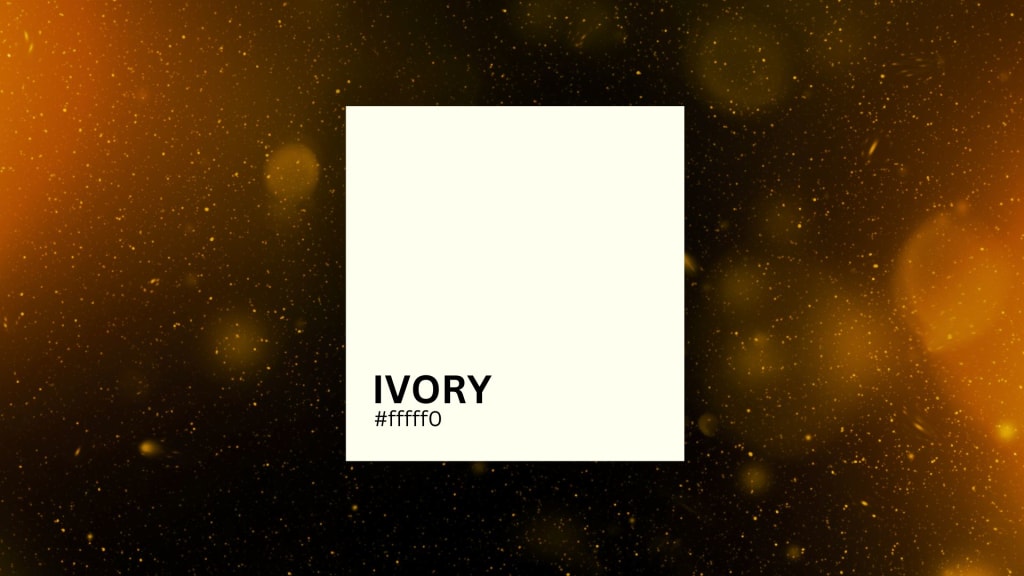
Ivory is a beautiful and adaptable color that has been adopted in the fashion world, home decoration, and graphic design. It is such a subtle and neutral color often associated with luxury and elegance. Create art with Ivory color using PhotoCut’s AI Art generator. Let's look into the details of the color ivory including its definition, meaning, specific color values, and how it could be employed in various sectors.
What is the Color Ivory?
Elephant tusks are the source of the smooth, off-white tint known as ivory. Historically, this phrase described a light hue with a delicate undertone that was frequently beige, pink, or yellow but generally produced a warm, creamy impression. Unlike pure white, ivory is softer and gentler, giving people a warm and elegant look.
Ivory is derived by mixing white with a tint of yellow or beige. The exact shade can vary depending on the proportions of yellow used. If too much yellow is added, the color may lean towards a beige or cream tone. You can choose the color Ivory from an image using PhotoCut’s Color Picker.
Meaning of Ivory Color
Since ivory has a slight yellowish tint, it typically represents warmth, tranquility, and refinement. In color psychology, ivory has a similar meaning to pure white, signifying purity, tranquility, and cleanliness. Color is frequently employed in formal events, weddings, and the design of high-end projects because it is perceived as elegant and opulent.
Ivory also suggests tradition and timelessness and therefore is an excellent option for formal settings, with elegance and classic appeal being in demand.
Hex Code and Color Values of Ivory
Understanding the technical values of ivory can help in accurately replicating the color in design work. The hex code for ivory is #FFFFF0, which provides a numerical representation of the color for use in digital design. Here are its key color values:
- Hex Code: #FFFFF0
- RGB (Red, Green, Blue): 255, 255, 240
- CMYK (Cyan, Magenta, Yellow, Black): 0%, 0%, 6%, 0%
- HSL (Hue, Saturation, Lightness): 60°, 100%, 97.1%
- HSV (Hue, Saturation, Value): 60°, 5.9%, 100%
Ivory is composed of 94.1% blue, 100% green, and 100% red. Because CMYK has 6% yellow and no cyan, magenta, or black, it seems lighter and more airy.
Ivory vs. Similar Colors
While ivory is such a unique color, it often has to be compared to others like white and cream. Here's how they compare:
- Ivory and White: White, denoted by the hex code #FFFFFF, is a colder tone devoid of warm overtones. The golden hue of ivory, on the other hand, makes it appear softer and warmer.
- Ivory vs. Cream: Cream (#FFFDD0) is yellower and warmer compared to ivory. Cream is much darker and more saturated with yellow than ivory while maintaining a softer, even more neutral look.
Shades of Ivory
Ivory comes in several shades, which can be adjusted by adding more white for a lighter appearance or more black for a deeper hue. Some popular shades of ivory include:
- Arcadia White (#F3F0E0): A light off-white color with a balanced tone between yellow and white.
- Ivory White (#F2EFDE): A light, grayish-yellow shade that works well with muted or neutral tones.
- Light Ivory (#FFF8C9): A pale, almost creamy version of ivory, commonly used for cosmetics and light interior designs.
Color Combinations: What Colors Go Well With Ivory?
Ivory is a fairly adaptable color that goes well with practically every hue. It works well with many color schemes, whether you want to create a calm, serene environment or a sophisticated, beautiful style.
The following color schemes complement ivory well:
- Light Gray, Slate, and Ivory: A chic, modern palette perfect for contemporary home designs or minimalist fashion.
- Lavender, Sage, and Ivory: A soft, natural combination that invokes calmness and harmony, ideal for weddings and interior designs.
- Copper, Teal, and Ivory: It's a great contrast that adds elegance to almost any design, especially in the formal setting.
- Taupe, Tan, and Ivory: A warm earthy combination, the atmosphere is cozy and inviting.
- Similar Shades: The light peachy, mint green and soft pink shades complement each other well with ivory for a calm, unified look that is often applied to wedding and event designs.
- Monochromatic Color Palette: Using a monochromatic color scheme of different shades of ivory can provide a good range of color choices from the lightest shades to darker shades, such as #FFFF00 (light yellow), #FFFFBD (light cream), and #FFFFD7 (soft ivory).
Common Applications of Ivory Color
Ivory is widely used across many sectors because of its elegance and ageless appeal. Let us discuss some of the primary applications of it below.
Ivory in Interior Design
One of the most common hues for interior design accents, walls, and furnishings is ivory. It complements various décor types, from classic to modern, thanks to its gentle, neutral tone. It may provide warmth and calm while enlivening a room. The majority of individuals use it to create a quiet and fresh ambiance in their restrooms, living rooms, and bedrooms. Remove watermarks from interior design photos using PhotoCut’s Watermark Remover.
Ivory in Fashion
Ivory is one of the timeless selections in fashion, especially when it comes to wedding attire. Wedding gowns made from ivory are usually selected instead of white since they offer a softer, flatter impression. Ivory can also be used for evening wear which creates a sense of sophisticated elegance in formal events. The color is mostly mixed with gold, silver, or soft pastels to heighten the luxurious feeling.
Ivory in Graphic Design
In graphic design, ivory is very important for premium branding, event stationery, and wedding invites. As it is associated with elegance and purity, it provides a lovely background for elaborate patterns, flower themes, and delicate lettering. A remarkable and exquisite look may be achieved by combining ivory with gold, silver, or dark hues like burgundy or navy blue. Learn how to remove image backgrounds using GIMP.
Conclusion
Ivory is one of the classy, timeless colors that can easily blend purity in white with a dash of warmth and softness. This gives it an added dimension whether used in fashion, interior design, or graphic design. To apply this white color skillfully, calmly, and elegantly in any type of project, you must be aware of its hues, connotations, and color pairings. Ivory is the preferred hue for subtle yet opulent design, whether it is utilized for weddings or home décor.
FAQs
Q1. What makes off-white different from ivory?
Ans. Off-white often has a colder, grayish, or beige undertone, whereas ivory has a warmer, yellowish undertone. Both hues are soft and neutral.
Q2. Is ivory a good color for a wedding dress?
Ans. Yes! Ivory is the most preferred option for wedding dresses as ivory is softer and warmer compared to pure white, thus flatteringly appearing on many skin tones.
Q3. Can ivory be used in modern interior design?
Ans. Absolutely! Ivory is a versatile color that works in both traditional and modern interior designs. It adds warmth to minimalist spaces and pairs well with other contemporary colors.
Q4. What are some of the best color schemes that include ivory?
Ans. Ivory works well with a wide range of colors. Popular color schemes include ivory with pastels (like lavender or sage), deep tones (such as copper or teal), and neutral shades (such as taupe or slate).
Q5. Can ivory be used in commercial design?
Ans. In commercial design, ivory is frequently utilized, particularly for branding, packaging, and event promotion. Because of its connection to luxury, it's a great option for high-end goods and services.
About the Creator
PhotoCut
AI Photo Editing Tool - Remove or Change your Background & Enhance Product Photos
Keep reading
More stories from PhotoCut and writers in Photography and other communities.
Free Online Image Enlarger
Have you ever taken a photograph you wish were larger, only to find that when you tried to resize it, its quality deteriorated into something blurred and untidy? Whatever the occasion-whether for printing photos on a large canvas or for creating social media post-it can sometimes be a challenge enlarging images without losing image quality. Fortunately, with advancements in AI, you will no longer worry about pixelation and blurry details while resizing pictures. You can also learn to rotate your photos to get the perfect orientation.
By PhotoCutabout a year ago in Photography
The Gold Tone (Orotone) Technique
She picked it up from a dusty shelf at an estate sale, thinking it was just an old frame. Then the light caught it. The image glowed, not like a print, not like a painting, but like something that seemed to carry its own inner warmth. That was her first encounter with an Orotone, and she bought it without asking the price.
By CurlsAndCommas4 days ago in Photography
Gold Chrysotype Photography Is Back and the Colours Are Breathtaking
There is a moment when a chrysotype print is lifted from its chemical bath and held up to the light stops people mid-breath. The colours that bloom across the surface — soft dusty pinks fading into deep magenta, rich cyans pooling at the edges, velvety blacks settling into the grain of the paper — look less like a photograph and more like something pulled from a dream.
By CurlsAndCommas4 days ago in Photography


Comments
There are no comments for this story
Be the first to respond and start the conversation.