
Enhancing Your Security with Infrared Camera Surveillanc
What You Need to Consider
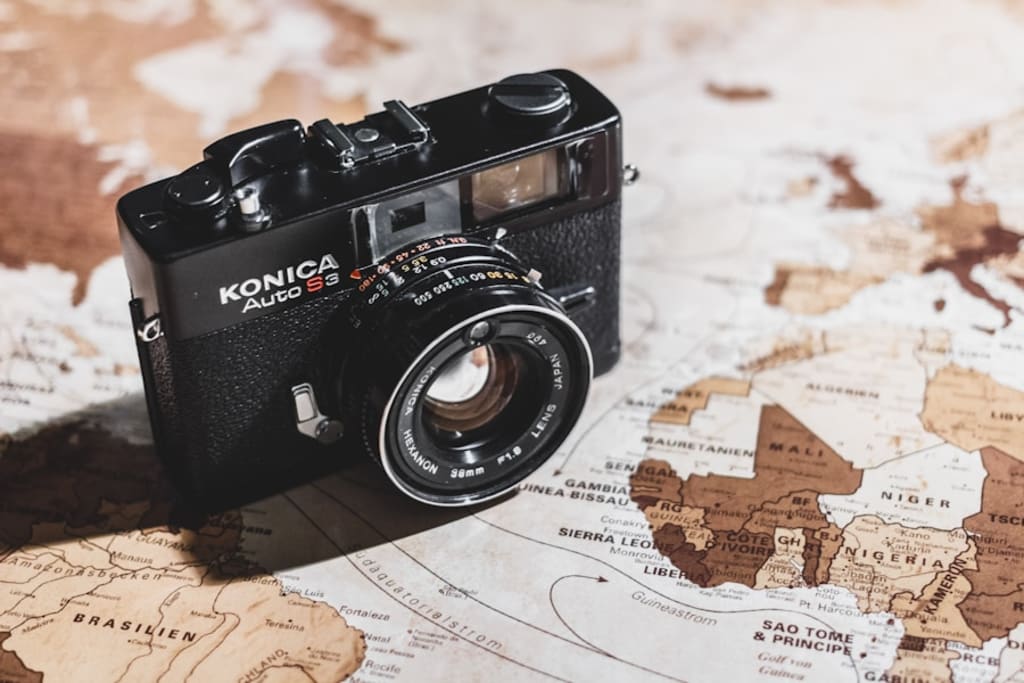
Infrared camera surveillance is a technology that uses infrared light to capture images and videos in low-light or no-light conditions. Unlike traditional cameras that rely on visible light, infrared cameras can detect heat signatures and produce images based on the heat emitted by objects and living beings. This makes them an ideal choice for surveillance in areas with poor lighting or during nighttime. Infrared camera surveillance is widely used in security systems, law enforcement, wildlife monitoring, and industrial applications.
Infrared camera surveillance has become increasingly popular due to its ability to provide clear images in challenging lighting conditions. The technology has evolved significantly over the years, with advancements in image processing and sensor technology. Infrared cameras are now capable of capturing high-resolution images and videos, making them an essential tool for surveillance and monitoring purposes. With the ability to detect heat signatures, infrared cameras can also be used to identify potential threats or monitor the movement of living beings in complete darkness.
How Infrared Cameras Work
Infrared cameras work by detecting the heat emitted by objects and converting it into an image. The cameras use sensors that are sensitive to infrared radiation, allowing them to capture thermal images of the surrounding environment. When an object or living being emits heat, it creates a temperature difference that is detected by the infrared camera. The camera then processes this information and generates an image based on the heat signatures detected.
Infrared cameras typically use two types of sensors: thermal imaging sensors and near-infrared sensors. Thermal imaging sensors detect the heat emitted by objects and convert it into a visible image, while near-infrared sensors use infrared light to illuminate the surrounding environment and capture images in low-light conditions. Both types of sensors are essential for infrared camera surveillance, as they enable the cameras to operate effectively in various lighting conditions. The images captured by infrared cameras can be displayed in grayscale or false color, depending on the specific application and user preferences.
Benefits of Infrared Camera Surveillance
There are several benefits of using infrared camera surveillance for security and monitoring purposes. One of the primary advantages is the ability to capture clear images and videos in low-light or no-light conditions. This makes infrared cameras an ideal choice for surveillance in areas with poor lighting, such as outdoor spaces, parking lots, and industrial facilities. In addition, infrared camera surveillance can provide real-time monitoring of potential threats and unauthorized activities, allowing for quick response and intervention.
Another benefit of infrared camera surveillance is the ability to detect heat signatures and identify living beings in complete darkness. This is particularly useful for law enforcement agencies, as it allows them to track the movement of suspects and locate missing persons during nighttime operations. Infrared cameras can also be used for wildlife monitoring, enabling researchers to study animal behavior and track endangered species without disturbing their natural habitat. Overall, the use of infrared camera surveillance can enhance security measures and improve situational awareness in various environments.
Applications of Infrared Camera Surveillance
Infrared camera surveillance has a wide range of applications across different industries and sectors. In the security and law enforcement sector, infrared cameras are used for perimeter security, border control, and surveillance of high-risk areas. The ability to capture clear images in low-light conditions makes infrared cameras an essential tool for monitoring potential threats and unauthorized activities. In addition, infrared camera surveillance is used for search and rescue operations, allowing rescue teams to locate missing persons and survivors in challenging environments.
In the industrial sector, infrared camera surveillance is used for preventive maintenance and monitoring of equipment and machinery. The ability to detect heat signatures can help identify potential issues before they escalate into costly repairs or downtime. Infrared cameras are also used for monitoring temperature-sensitive processes and detecting hotspots in electrical systems, reducing the risk of fire hazards and equipment failure. Furthermore, infrared camera surveillance is used for wildlife monitoring and conservation efforts, enabling researchers to study animal behavior and track endangered species without disturbing their natural habitat.
Considerations for Installing Infrared Camera Surveillance
When installing infrared camera surveillance systems, there are several considerations that need to be taken into account to ensure optimal performance and effectiveness. One of the key considerations is the placement of the cameras, as they need to be strategically positioned to provide maximum coverage and visibility. Factors such as the height, angle, and distance of the cameras from the target area should be carefully evaluated to ensure that they can capture clear images and videos in various lighting conditions.
Another consideration is the selection of the right type of infrared cameras for the specific application. There are different types of infrared cameras available, each with its own set of features and capabilities. For example, some cameras are designed for long-range surveillance, while others are more suitable for close-range monitoring. It is important to choose the right type of cameras that can meet the specific requirements of the surveillance environment. Additionally, considerations such as weatherproofing, power source, and connectivity options should also be taken into account when installing infrared camera surveillance systems.
Legal and Ethical Implications of Infrared Camera Surveillance
The use of infrared camera surveillance raises important legal and ethical implications that need to be carefully considered. From a legal standpoint, there are regulations and privacy laws that govern the use of surveillance technologies, including infrared cameras. It is important to ensure compliance with these laws to avoid potential legal issues and liabilities. For example, in some jurisdictions, there are restrictions on where surveillance cameras can be installed and how they can be used to monitor public spaces.
From an ethical standpoint, the use of infrared camera surveillance raises concerns about privacy and data protection. The collection and storage of thermal images and videos raise questions about the potential misuse of personal information and invasion of privacy. It is important for organizations and individuals using infrared camera surveillance to establish clear policies and guidelines for the ethical use of the technology. This includes obtaining consent from individuals being monitored, implementing data protection measures, and ensuring transparency in the use of surveillance data.
Future Trends in Infrared Camera Surveillance Technology
The future of infrared camera surveillance technology is expected to bring significant advancements in image processing, sensor technology, and connectivity options. With ongoing research and development efforts, infrared cameras are likely to become more compact, lightweight, and cost-effective, making them more accessible for a wide range of applications. Advancements in sensor technology will also lead to improved image quality and sensitivity, allowing for better detection of heat signatures and enhanced surveillance capabilities.
Furthermore, future trends in infrared camera surveillance technology are expected to focus on integration with other smart technologies, such as artificial intelligence (AI) and Internet of Things (IoT) platforms. This will enable infrared cameras to provide real-time analytics, automated alerts, and seamless integration with existing security systems. The use of AI algorithms will also enhance the capabilities of infrared cameras for object recognition, tracking, and behavior analysis. Overall, the future trends in infrared camera surveillance technology are poised to revolutionize security and monitoring capabilities across various industries and sectors.
In conclusion, infrared camera surveillance is a powerful technology that offers clear benefits for security, monitoring, and conservation efforts. With advancements in sensor technology and image processing capabilities, infrared cameras have become an essential tool for capturing clear images and videos in low-light or no-light conditions. The wide range of applications for infrared camera surveillance spans across different industries, including security, law enforcement, industrial maintenance, and wildlife monitoring. However, it is important to consider legal and ethical implications when using infrared camera surveillance systems to ensure compliance with regulations and respect for privacy rights. Looking ahead, future trends in infrared camera surveillance technology are expected to bring significant advancements in image quality, connectivity options, and integration with other smart technologies, further enhancing its capabilities for various applications.
About the Creator
Keep reading
More stories from digital product and writers in Photography and other communities.
To Get A Flatter Stomach Drop This One Morning Habit Now
What I’m going to tell you is not anything I haven’t told myself. I have to adjust my morning routine to attain my gut objectives. If you’ve ever glanced in the mirror and pulled at your belly fat, I’m with you since I used to do it myself morning and night.
By digital productabout a year ago in Motivation
My Year, in Prattling and Photos
It's been a year since... last year. Ironically, it seems I've found myself a new tradition of getting sick during the New Year holidays. At least, this year (that is, this inter-year period remarkable for its shiny decorations in the streets and houses, and closed supermarkets and pretty much everything), I'm doubtlessly doing better: I've managed to come visit my friends in Germany for Christmas (which I failed to do last year) and—after having some good quality time eating machanka, playing Munchkin and swinging machetes (the last one obviously crept into this checklist only for the sake of the phonological form)—I came back home via proverbial Deutche Bahn and probably less known Schweizerische Bundesbahnen, my body hosting a family of viruses, virions and who knows what other tiny critters somewhere inside my chest.
By Andrei Z.17 days ago in Photography
The People We Meet on Vacation: Moments, Connections, and Lasting Impressions
The People We Meet on Vacation: Moments, Connections, and Lasting Impressions Vacations are more than a break from daily routines. They are a unique social experience where people from different backgrounds cross paths in unexpected ways. The people we meet during a holiday often leave strong impressions, even if the interaction lasts only a few minutes. These encounters can shape memories, influence perspectives, and sometimes turn into lifelong friendships. Understanding who we meet on vacation helps explain why travel feels so meaningful to many people.
By America today 7 days ago in Photography




Comments
There are no comments for this story
Be the first to respond and start the conversation.