
DSLR Camera Features Every Photographer Should Know
A Complete Overview of the Technology Behind Professional Photography

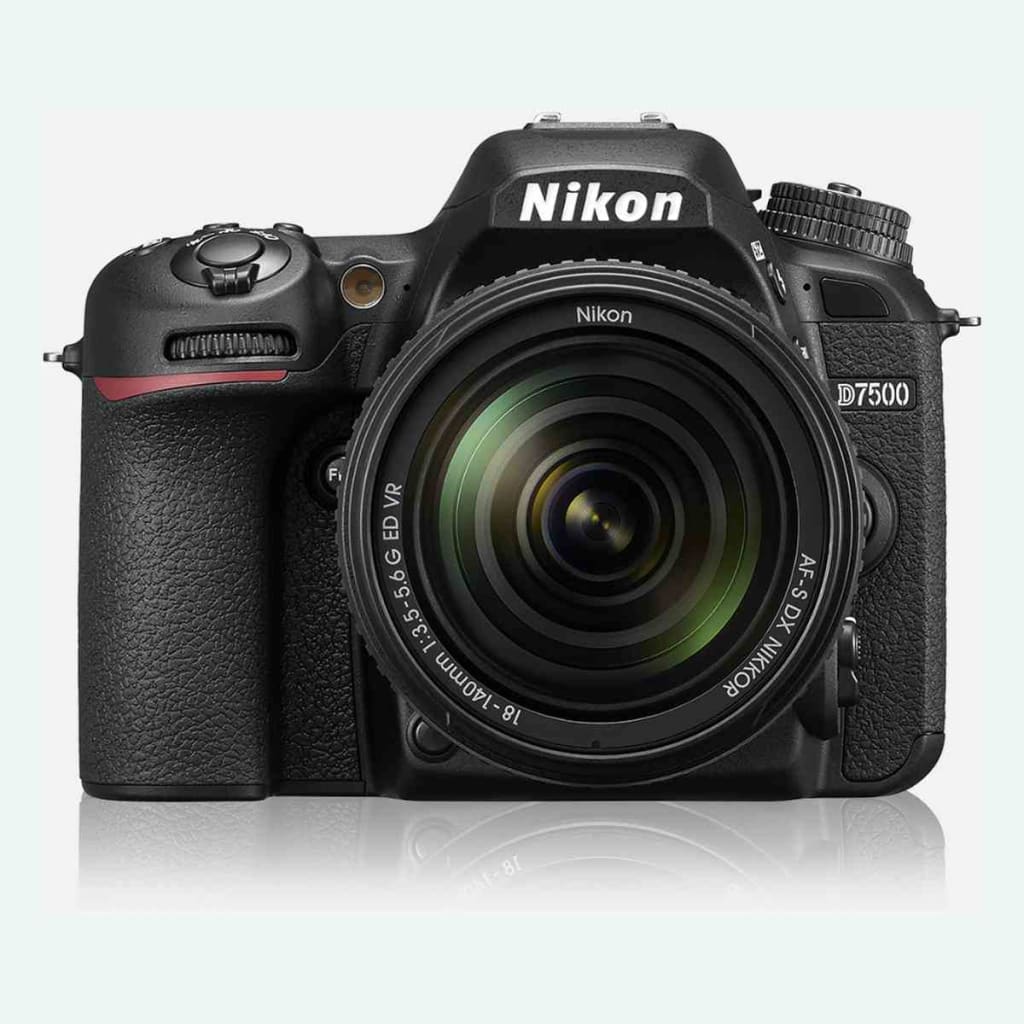
A Digital Single-Lens Reflex (DSLR) camera is a powerful tool designed for photographers who want greater control, superior
image quality, and creative flexibility. Whether you are a beginner stepping into photography or an enthusiast looking to improve your
skills, understanding the essential features of a DSLR camera can help
you make the most of your equipment. Each feature plays an important role in capturing sharp, well-exposed, and visually
appealing images.
One of the most important features of a DSLR camera is its large image sensor. Unlike smartphone or compact cameras, DSLRs use
APS-C or full-frame sensors that capture more light and detail. A larger sensor improves image quality, enhances color accuracy, and
produces cleaner images, especially in low-light conditions. It also allows photographers to achieve a shallow depth of field, creating
beautifully blurred backgrounds that make subjects stand out.
Another key feature is interchangeable lenses. DSLRs allow users to change lenses based on their shooting needs, such as wide-angle
lenses for landscapes, telephoto lenses for wildlife, and macro lenses for close-up photography. This flexibility makes DSLR cameras
extremely versatile. By choosing the right lens, photographers can control perspective, zoom range, and image sharpness more
effectively than with fixed-lens cameras.

The optical viewfinder is a defining characteristic of DSLR cameras. It allows photographers to see the scene directly through the lens using
a mirror and prism system. This provides a clear, real-time view with no digital lag, making it easier to track moving subjects. The optical viewfinder is especially useful in bright sunlight, where electronic
screens may be difficult to see clearly.
DSLR cameras also offer manual exposure controls, including aperture, shutter speed, and ISO. These settings give photographers
complete control over how an image is captured. Aperture controls depth of field, shutter speed manages motion blur or freezing action,
and ISO adjusts light sensitivity. Mastering manual controls allows photographers to adapt to different lighting conditions and achieve
creative effects.
Autofocus systems in DSLR cameras are another essential feature. Most DSLRs use phase-detection autofocus, which is fast and accurate
. This makes it easier to capture sharp images of fast-moving subjects such as sports, wildlife, or children. Advanced DSLR models include
multiple autofocus points and tracking modes that help maintain
focus even when the subject moves across the frame.
Image quality is further enhanced by high ISO performance. DSLRs can handle higher ISO values with less noise compared to smaller
cameras. This means photographers can shoot in low-light
environments, such as indoor events or night scenes, without relying heavily on flash. Improved low-light performance results in clearer
and more detailed images.

Another valuable feature is burst shooting mode, which allows the camera to capture multiple images per second. This is ideal for action
photography, where timing is critical. By shooting in burst mode, photographers can select the best frame from a series of shots,
increasing the chances of capturing the perfect moment.
DSLR cameras also support RAW image format, which stores uncompressed image data. RAW files retain more detail and allow
greater flexibility during post-processing. Photographers can adjust exposure, white balance, and colors without losing image quality.
This feature is especially important for professionals and enthusiasts
who edit their photos extensively.
Many modern DSLRs include video recording capabilities, offering high-definition and even 4K video options. With manual controls,
interchangeable lenses, and excellent autofocus, DSLRs are suitable for videography as well as photography. This makes them a great all-
in-one tool for content creators.
Finally, durability and battery life set DSLR cameras apart. They are built with sturdy bodies designed to withstand frequent use and
challenging conditions. DSLR batteries also last longer compared to mirrorless cameras, allowing photographers to shoot for extended
periods without interruption.
In conclusion, DSLR cameras combine powerful sensors, flexible lens options, precise controls, and reliable performance. Understanding
these essential features helps photographers unlock their creative
potential and capture stunning images in any situation.
About the Creator
Niaz Muhammad
Insha Allah, I will write in such a good way that people with weak eyesight or the elderly can easily read it.
Keep reading
More stories from Niaz Muhammad and writers in Photography and other communities.
The Photographer's Code
You decide to visit your local park. You have become a close confidant to the homeless people who gather there most days. While talking to Cleo and Reed, you notice a new face in the crowd. It belongs to a stick-thin, middle-aged woman. She has her hand on her forehead as if taking her temperature.
By Paul Aaron Domenick5 days ago in Photography
The Gold Tone (Orotone) Technique
She picked it up from a dusty shelf at an estate sale, thinking it was just an old frame. Then the light caught it. The image glowed, not like a print, not like a painting, but like something that seemed to carry its own inner warmth. That was her first encounter with an Orotone, and she bought it without asking the price.
By CurlsAndCommas2 days ago in Photography
Pandora’s Burden
“My brother warned me to not accept gifts from the one who commissioned you,” said Epimetheus to the woman clad in silvery raiments standing at the entrance to the temple. Her silver tiara and the silver rings on her fingers and toes glinted in the firelight cast by torches set on either side of the doorway. Lingering in the shadows, beyond the reach of the flames as she was, he could not tell what she held in her hands. At first what appeared to be a box was perhaps a funerary urn, or maybe merely an apple.
By J. Otis Haasabout 14 hours ago in Fiction


Comments
There are no comments for this story
Be the first to respond and start the conversation.