
What’s Wrong with Media Today? Maroun Bedran’s Bold Answer Might Just Fix Everything
One Man’s Mission to Make Us Trust Media Again

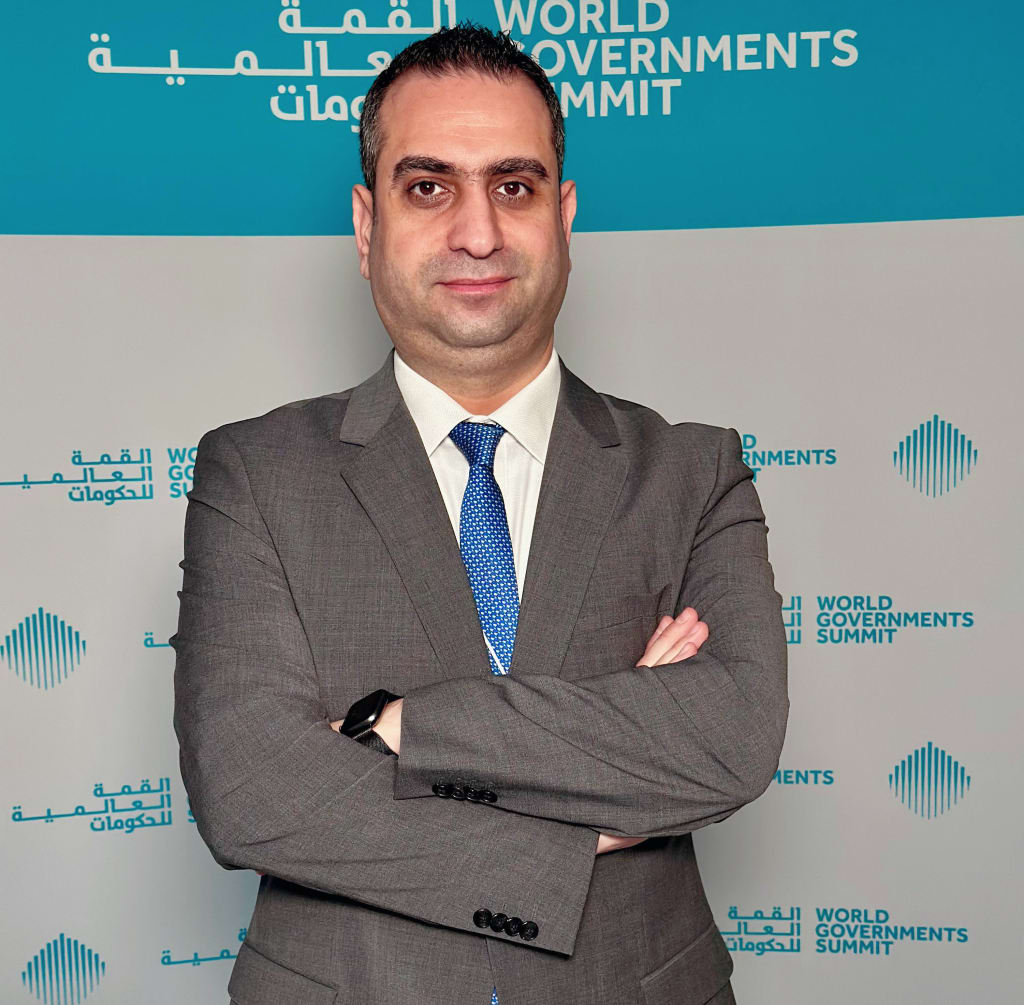
The world doesn’t trust the media anymore.
Let that sink in.
In an age where headlines are clickbait, truth is blurred by bias, and attention spans are shrinking by the second, most media platforms are chasing one thing: virality. But what if the real currency isn’t clicks—it’s trust? What if someone could rewire the entire ecosystem, from content to connection, and actually make us believe in media again?
Meet Maroun Bedran. He’s not your typical executive with a polished title and a disconnected vision. He’s the quiet disruptor behind billions of views, the architect of platforms used by millions across the Middle East and he’s on a mission to fix what’s broken.
A Broken System, and the Man Who Refused to Accept It
Most people in the industry saw the change coming: TV was dying, print was gasping, and social media was the new king. But while many scrambled to go digital for the sake of survival, Bedran did something different.
He paused. He listened. He observed.
And then, he built.
While others focused on scale, he focused on substance. While brands flooded timelines with sponsored fluff, he engineered user-first experiences that earned trust not just traffic.
The Journey: From Beirut’s Chaos to Dubai’s Innovation
Born and raised in Lebanon, Bedran’s first love wasn’t technology, it was truth. He cut his teeth in Beirut’s high-stakes newsrooms, where facts weren’t luxuries they were lifelines. That foundation followed him as he moved into digital media across Kuwait, the UAE, and eventually Dubai, where he would help lead Al Mashhad into the future.
But this wasn’t some overnight success story. His path was paved with resistance, reinvention, and relentless execution.
Numbers Don’t Lie—But They Don’t Tell the Whole Story Either
Here’s what most people miss when they hear the numbers:
- 1.5 billion organic views each month
- 50 million website sessions each year
It all sounds impressive—and it is. But Bedran is the first to say: metrics aren’t the mission. For him, each view is a person. Each platform visit is an opportunity. Each interaction is a relationship.
And that mindset? It changes everything.
What Makes His Work So Different?
At Al Mashhad, Bedran didn’t just slap a digital strategy on top of a TV station. He rebuilt it from the inside out.
He integrated OTT, apps, social platforms, and AI—all designed around how people actually consume content. It’s not about serving content; it’s about serving people.
From adaptive content trims to seamless cross-device journeys, his playbook doesn’t follow trends. It creates them. And his secret weapon? Empathy at scale.
The Human Behind the Headlines
Let’s be real: it’s easy to get lost in the tech. But what makes Bedran’s story stick isn’t just innovation, it's intention.
He’s a father. A mentor. A storyteller at heart.
He doesn’t talk about leadership in buzzwords; he lives it. Former teammates describe him as “the guy who whiteboards with interns” and “the one who deconstructs user feedback like it’s gold.”
In a world where most executives hide behind jargon and dashboards, Bedran leans in—with clarity, compassion, and conviction.
Where He’s Taking Us Next
The future he sees? It’s immersive. It’s multi-lingual. It’s deeply personal.
Think interactive documentaries, real-time news tailored to diaspora communities, and AI tools that don’t just understand what you like, they understand why.
But at the core of it all is a simple, radical idea:
“If a story moves someone to think, feel, or act we’ve done our job.”
The Bottom Line
The media is broken because it forgot its purpose. It became noise when people were craving meaning.
Maroun Bedran isn’t trying to be the loudest in the room. He’s building platforms that make us feel again, trust again, and maybe just maybe believe again.
Because the future of media isn’t about chasing clicks.
It’s about earning hearts.
About the Creator
Keep reading
More stories from Lucy Evans and writers in Motivation and other communities.
Tarot For 2026
Three Blue Roses Tarot - My summary of 2025 - Queen of Air: You are a wordsmith, a clear communicator, and 2025 helped you shed any falsehoods in your life. You accepted the truth, no matter what it was, and you set and kept healthy boundaries for yourself.
By Denise E Lindquist7 days ago in Motivation
If You Love Me, You'll Do It
I met Jason when I was five years old. I could say that I loved him from the moment I saw him. He was so handsome to me and I felt in awe by his presence. When they introduced him as the new kid in school, I wanted to be his friend right away. I remember it like it was yesterday. I remember his smile and how he didn't seem shy. He appeared confident and ready to learn. I waved at him and said "hello," before anyone else could even say a word. He sat next to me, and I asked him if he wanted to be friends. He looked so happy as he said, "Yes!"
By Sidney Smith (Sid Smith)6 days ago in Fiction


Comments
There are no comments for this story
Be the first to respond and start the conversation.