
What Nobody Tells You about being Debt Free
It is frequently hailed as the pinnacle of financial success to be debt free. Let's delve into the lesser-discussed aspects of living debt free.

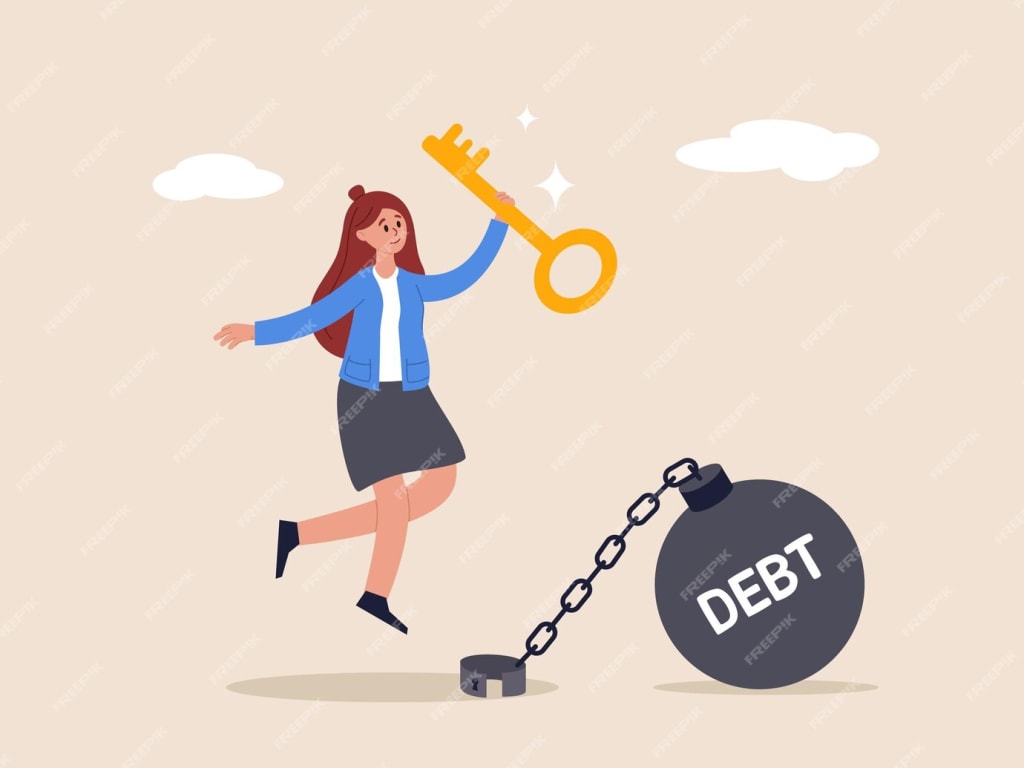
The journey to eliminate debts—be it student loans, credit cards, or mortgages—is undoubtedly challenging and commendable. However, what many don't anticipate are the nuanced realities that accompany this newfound financial freedom.
1. The Emotional Aftermath: Relief Meets Anxiety
There is no denying the sense of relief that comes from paying off debt. Yet, for some, this relief is accompanied by unexpected anxiety. A study by the Consumer Financial Protection Bureau found that while 48% of individuals felt relieved after becoming debt-free, 28% continued to experience financial anxiety despite their improved financial standing.
The sudden shift in financial responsibilities may be the root of this paradox. Without the structure of regular debt payments, individuals may feel adrift, uncertain about how to allocate their funds effectively.
2. The Obstacle of Redefining Financial Objectives
Debt repayment often serves as a clear, motivating financial goal. People may have difficulty determining their next goal once they have achieved it. This can lead to a period of financial aimlessness, where the absence of a pressing goal results in less disciplined spending habits.
For instance, Taylor, a blogger who chronicled her journey to becoming debt-free, noted that after eliminating her debts, she found herself indulging more in discretionary spending, such as gifts for loved ones. While generosity is commendable, it's essential to balance it with long-term financial planning.

3. The Psychological Impact: Beyond the Numbers
Debt carries a significant psychological burden, often associated with feelings of guilt, shame, and stress. Conversely, being debt-free doesn't automatically equate to psychological well-being. Fearing a return to debt, some people continue to struggle with financial insecurities .
This lingering anxiety underscores the importance of addressing the emotional aspects of financial health, not just the numerical ones. Engaging in financial therapy or counselling can be beneficial in navigating these complex emotions.
4. Navigating Social Dynamics and Expectations
Living debt-free can alter social interactions and perceptions. Friends or family members might view your financial choices differently, leading to feelings of isolation or misunderstanding. For example, choosing not to participate in group vacations or expensive outings to maintain financial discipline might be misinterpreted as aloofness or stinginess.
It's crucial to communicate your financial values and boundaries clearly, fostering understanding and respect within your social circles.
5. The Importance of Establishing New Financial Habits
Post-debt life requires the cultivation of new financial habits. Without the obligation of debt payments, there's an opportunity to redirect funds towards savings, investments, or other financial goals. However, this transition isn't always intuitive.
Implementing structured financial plans, such as automatic savings contributions or investment strategies, can help maintain financial momentum and prevent complacency.

6. The Risk of Complacency and Lifestyle Inflation
Achieving a debt-free status can sometimes lead to complacency, where individuals feel they've "made it" and loosen their financial discipline. This mindset can result in lifestyle inflation—where increased income or freed-up funds lead to higher spending, negating the benefits of being debt-free.
Remaining vigilant and adhering to a budget can help mitigate this risk, ensuring that financial freedom doesn't inadvertently lead back to financial strain.
7. The Need for Continuous Financial Education
Financial literacy is an ongoing journey. Being debt-free doesn't eliminate the need for continued learning about personal finance, investments, and economic trends. Staying informed empowers individuals to make sound financial decisions and adapt to changing circumstances.
Engaging with financial literature, attending workshops, or consulting with financial advisors can provide valuable insights and guidance.
8. The Role of Emergency Funds and Insurance
Without the cushion of debt, unexpected expenses can pose significant challenges. In order to maintain financial stability, it is essential to establish an emergency fund and purchase the appropriate insurance coverage. These measures provide a safety net, ensuring that unforeseen events don't derail your financial progress.

9. The Potential for Increased Generosity and Philanthropy
Financial freedoms can open doors to increased charitable giving and support for causes you care about. Allocating resources towards philanthropy not only benefits others but can also provide a sense of purpose and fulfilment.
However, it's important to balance generosity with personal financial sustainability, ensuring that giving doesn't compromise your financial health.
10. The Journey towards Financial Independence
Ultimately, being debt-free is a significant milestone on the path to financial independence. It provides the foundation upon which to build wealth, pursue passions, and live life on your terms.
Embracing this phase with intentionality, continuous learning, and disciplined planning can transform financial freedom into lasting prosperity.
Conclusion
While the journey to becoming debt-free is commendable, it's essential to recognize and prepare for the complexities that accompany this achievement. By understanding the emotional, social, and practical implications, individuals can navigate post-debt life with confidence, ensuring that financial freedom translates into holistic well-being and sustained success.
About the Creator
Keep reading
More stories from MD Tarek Aziz and writers in Motivation and other communities.
10 EASY ways to beat the dangers of a sedentary life — no gym required
In today's world of desk jobs, endless streaming services, and smartphone scrolling, many of us are living more sedentary lives than ever before. Unfortunately, science is clear: a sedentary lifestyle is linked to a host of serious health problems including obesity, heart disease, diabetes, and even early death. It’s often called “the new smoking” — and for good reason.
By MD Tarek Aziz 11 months ago in Motivation




Comments
There are no comments for this story
Be the first to respond and start the conversation.