
What Makes the Art of Video Production Transform Ideas into Visual Stories?
Art of Video Production Transform Ideas into Visual Stories
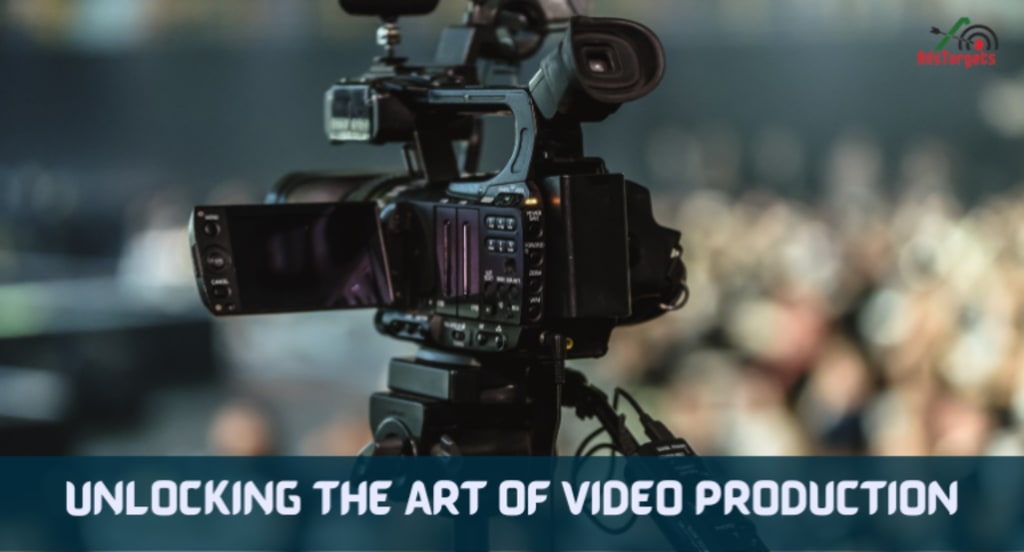
Video is emerging as one of the most powerful tools for storytelling and communication.
From Hollywood blockbusters to viral social media content, video production can captivate audiences and convey messages in a way that no other medium can. But what is it about the art of video production that allows it to transform ideas into compelling visual stories?
Now, let’s dig deep into the world of video production, exploring its key elements, techniques, and the role it plays in conveying messages effectively. Whether you're a casual viewer or an aspiring filmmaker, join us as we unravel the secrets behind the magic of video production.
The Impact of Visuals on the Human Brain
Humans are visual creatures by nature. Our brains are wired to process and retain visual information more effectively compared to other forms of media.
It comes as no surprise that video production, with its combination of moving images, sounds, and emotions, holds immense power in conveying messages with impact.
Scientific studies have shown that visual information is processed 60,000 times faster than text, making video the ideal medium for capturing attention and leaving a lasting impression.
Capturing the Essence with Cinematic Techniques
Video production relies heavily on various cinematic techniques to create visually compelling stories. Techniques such as framing, camera angles, and lighting play a crucial role in setting the mood, conveying emotions, and guiding the audience's focus.
For example, a low-angle shot can convey power and dominance, while a close-up shot can evoke intimacy and connection. By carefully crafting these visual elements, video production transforms simple ideas into captivating narratives, transporting viewers into different worlds and perspectives.
The Art of Pre-production Planning: Crafting the Concept and Storyboard
Before the cameras start rolling, video production begins with a solid pre-production phase. This stage involves brainstorming ideas, defining the concept, and creating a storyboard.
The concept sets the stage for the entire video, defining the message, tone, and target audience. A well-crafted storyboard acts as a roadmap, visualizing how each scene will unfold and ensuring a coherent narrative.
This meticulous planning ensures a smooth production process and sets the foundation for a visually engaging story.
Casting and Location Scouting
Once the concept and storyboard are in place, casting and location scouting come into play. Selecting the right cast for the video is crucial, as talented actors or presenters can bring the story to life, eliciting authentic emotions and compelling performances.
Additionally, location scouting ensures that the video is filmed in the perfect setting, enhancing the story's visual appeal and adding depth to the narrative.
Attention to these details during pre-production plays a significant role in the overall quality and impact of the final video.
The Creative Process of Filming: Camera Techniques and Composition
The filming process in video production involves using a camera to capture the visual elements that will eventually be edited and woven together to form the final story.
Various camera techniques, such as panning, tracking shots, and zooming, add dynamism and visual interest to the footage.
Composition is another key aspect, where the placement of subjects and objects within the frame can help convey meaning or emphasize important elements.
For instance, the rule of thirds - dividing the frame into thirds vertically and horizontally - can create balance and visual appeal.
Sound Design and Music Selection
While visuals play a significant role in video production, sound design and music selection are equally crucial in creating an immersive experience.
Effective use of sound effects, ambient noise, and music can enhance the viewer's emotional response, heightening tension or evoking nostalgia.
From the energetic beat of an action sequence to the soothing melody of a heartfelt moment, music has the power to shape the audience's perception and immerse them further into the story.
The Magic of Post-Production Editing: Piecing Together the Puzzle
Post-production is where the raw footage and audio are transformed into a cohesive visual story through editing.
Skilled editors carefully select the best shots, trim unnecessary content, and arrange scenes to create a seamless flow.
Additionally, colour grading and visual effects further enhance the visual appeal, adding depth and atmosphere to the footage.
The pace at which scenes are edited, the use of transitions, and the overall rhythm contribute to the storytelling experience, guiding the audience's emotions and keeping them engaged.
Enhancing the Narrative with Special Effects
Incorporating special effects is another aspect of post-production that can elevate the visual storytelling experience.
From intricate CGI elements in sci-fi movies to subtle enhancements in advertisements, special effects can transport viewers to new realms, add excitement, or emphasize key moments.
Employing these effects with precision and creativity amplifies the impact of the story, leaving a lasting impression on the audience.
The Role of Distribution Strategies: Seizing the Power of Online Platforms
Distribution plays a vital role in sharing video content widely and reaching the target audience effectively.
Online platforms such as YouTube, Facebook, and Instagram have revolutionized the way videos are consumed and shared.
By leveraging the power of these platforms, video producers can amplify their reach, engage with audiences, and spark conversations around their content.
Crafting compelling titles, using appropriate keywords, and optimizing video descriptions and tags are just a few strategies that can enhance discoverability and increase viewership.
Harnessing the Power of Social Sharing
The rise of social media has given video production even greater potential for storytelling. With platforms like TikTok and Instagram Reels, short-form video content has gained popularity, capturing attention through quick, visually striking sequences.
Leveraging the viral nature of social sharing, videos can quickly spread across networks, reaching a vast audience and creating buzz.
This organic sharing of video content increases brand awareness, expands the reach of ideas, and establishes an emotional connection with viewers.
How Leading Brands Empower Ideas Through Video Production
Throughout the article, we've explored the various elements and techniques involved in video production and how they transform ideas into captivating visual stories.
Stridec, a leading video production visual story company in Singapore, understands the power of video and specializes in bringing ideas to life through compelling storytelling.
With their expertise and creative approach, they have crafted numerous videos that have inspired and engaged audiences across various platforms.
Conclusion
Video production is an art form that combines creativity, technology, and storytelling to transform ideas into visual stories that captivate, inform, and inspire.
Through cinematic techniques, thoughtful pre-production planning, creative filming, meticulous post-production editing, and effective distribution strategies, video production has become a powerful tool for conveying messages and engaging audiences.
So, whether you're a budding filmmaker or simply a curious viewer, appreciate the magic of video production and its ability to breathe life into ideas, leaving an indelible mark on both the mind and heart.
About the Creator
Julia J
I'm Julia, an SEO expert specializing in link building strategies that deliver results. With a proven track record of enhancing online visibility and driving organic traffic, I tailor campaigns to elevate your site's search engine ranking.
Keep reading
More stories from Julia J and writers in Motivation and other communities.
Beyond the Profile: How Influential Women Are Redefining Leadership on Their Own Terms?
Beyond the Profile: How Influential Women Are Redefining Leadership on Their Own Terms The definition of influence is changing. It’s no longer just about a title, a corner office, or a mention in a traditional power list. Today, Influential Women are shaping industries, redefining success, and building communities on their own terms. They are founders, executives, and thought leaders who understand that true leadership isn’t about being covered—it’s about having the authority to share their own narrative.
By influentialwomenmagazine3 days ago in Motivation
The Sound of Walking Alone
No one warns you about this: the path to your dreams gets quieter the further you go. At first, it’s all noise. Opinions. Advice. Encouragement. Even skepticism feels loud. Everyone has something to say—how you should start, when you should stop, who you should listen to.
By Habib Rehmanabout 23 hours ago in Motivation
TUS NUA - ch 53
TUS NUA – ch 53 New Beginnings – Mia and Midnight (*)(*)(*) Finola knew Ali’s brother-in-law needed to put his mind at rest. She fed her arm through his and led him outside. “We’ll sit here. If you like, I can put a block around us so our conversation will be private.”
By Margaret Brennan6 days ago in Fiction




Comments
There are no comments for this story
Be the first to respond and start the conversation.