
What is SEO Web Design? How SEO and Web Design Work Together
Unveiling the Synergy: SEO Web Design and the Power of Collaboration

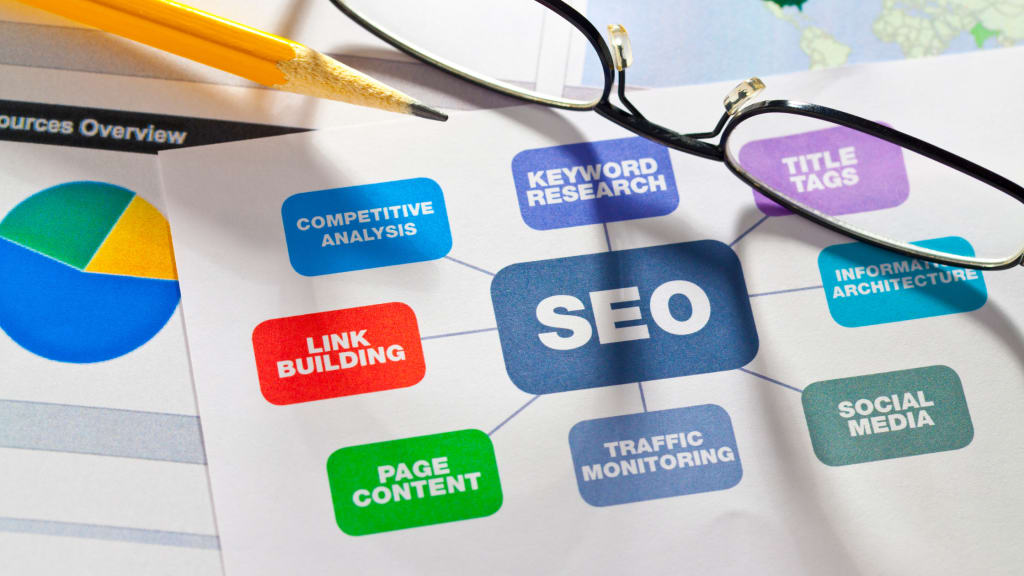
In the competitive digital landscape, SEO and web design are two critical components that go hand in hand. SEO web design harmonizes the principles of user experience and search engine optimization to create websites that are both visually appealing and search engine friendly. This article explores the concept of SEO web design and highlights how SEO and web design work together to maximize online success.
How do you use SEO in website design?
Using SEO in website design involves integrating key SEO elements and practices during the design process to optimize the website for search engines. Here are some essential steps to incorporate SEO in website design:
Keyword Research: Conduct thorough keyword research to identify relevant and high-ranking keywords related to your website's content and target audience. Use these keywords strategically throughout the website design process.
Page Titles and Meta Descriptions: Optimize page titles and meta descriptions with targeted keywords, making them concise, descriptive, and enticing to users. These elements appear in search engine results and influence click-through rates.
URL Structure: Create clean, readable, and keyword-rich URLs that accurately represent the content of each page. Use hyphens to separate words for better readability.
Header Tags: Utilize appropriate header tags (H1, H2, H3, etc.) to structure your content and signal its importance to search engines. Incorporate relevant keywords in headers to improve search engine visibility.
Image Optimization: Optimize images by using descriptive filenames and alt tags that include relevant keywords. Compress images to reduce file sizes and enhance website loading speed.
Mobile-Friendly Design: Design your website with a responsive layout that adapts seamlessly to different screen sizes and devices. Mobile-friendly websites are prioritized by search engines and provide better user experiences.
Site Navigation and Structure: Design an intuitive and user-friendly website navigation system that allows visitors to easily find and access different pages. Well-organized menus and logical site structure help search engines crawl and index your content effectively.
Page Speed Optimization: Ensure fast-loading pages by optimizing image sizes, minifying CSS and JavaScript files, enabling browser caching, and leveraging content delivery networks (CDNs). Fast-loading websites are favored by both users and search engines.
Internal Linking: Implement internal linking to connect related pages within your website. This helps search engines understand the structure and hierarchy of your content and improves user navigation.
Schema Markup: Utilize schema markup to provide additional context and structured data to search engines. This can enhance search engine result appearances with rich snippets, such as star ratings, reviews, and event details.
XML Sitemap: Create and submit an XML sitemap to search engines, helping them discover and index your website's pages more efficiently.
Monitoring and Analytics: Implement web analytics tools like Google Analytics to monitor website traffic, user behavior, and keyword rankings. This data provides insights for ongoing SEO optimization.
By incorporating these SEO practices into the website design process, you can create a search engine-friendly and user-centric website that ranks well, attracts targeted organic traffic, and delivers a positive user experience.
Understanding SEO Web Design:
SEO web design refers to the practice of designing and developing websites with a focus on optimizing them for search engines while providing an exceptional user experience. It involves blending aesthetics, functionality, and technical elements with SEO best practices to create websites that rank well in search engine results pages (SERPs) and engage visitors.
User Experience and SEO:
User experience (UX) is a vital aspect of SEO web design. A well-designed website should offer intuitive navigation, fast loading times, mobile responsiveness, and clear calls-to-action. These elements not only enhance user satisfaction but also improve search engine rankings, as search engines prioritize websites that provide a positive user experience.
Keyword Research and On-Page Optimization:
Collaboration between SEO and web design is crucial during the keyword research and on-page optimization stages. Keyword research helps identify relevant keywords and phrases that align with the target audience's search intent. Web designers can then incorporate these keywords strategically into the website's content, meta tags, headers, and URLs, enhancing its visibility in search results.
Site Structure and URL Hierarchy:
An organized site structure and logical URL hierarchy contribute to both user experience and SEO. Web designers play a key role in creating a well-structured website with clear navigation, easy-to-follow categories, and relevant internal linking. A user-friendly structure aids visitors in finding information quickly, while search engines can easily crawl and index the website's content.
Responsive Design and Mobile Optimization:
Mobile optimization is critical for SEO web design due to the growing number of mobile users. Web designers ensure that websites are responsive and adapt seamlessly to various screen sizes and devices. Mobile-friendly websites not only improve user experience but also receive preferential treatment from search engines, boosting their rankings in mobile search results.
Technical SEO Considerations:
Web designers collaborate with SEO specialists to implement technical SEO elements. This includes optimizing page speed, improving website performance, using structured data markup for rich snippets, creating XML sitemaps, and optimizing robots.txt files. These technical optimizations enhance website crawlability, indexability, and overall search engine visibility.
Ongoing Monitoring and Optimization:
SEO and web design teams work together to continually monitor and optimize the website's performance. They analyze user behavior, track keyword rankings, identify areas of improvement, and make necessary adjustments to enhance both user experience and search engine visibility. Regular audits and updates ensure that the website remains competitive and aligned with evolving SEO trends.
Conclusion:
SEO web design represents the powerful collaboration between SEO and web design disciplines. By intertwining user experience principles with SEO best practices, websites can achieve high search engine rankings while delivering exceptional user experiences. This synergy between SEO and web design is essential for maximizing online success and staying ahead in the ever-evolving digital landscape.
About the Creator
Mason Jacob
Dynamic is an expert in web design, digital marketing, and SEO with years of experience helping businesses just like yours grow their online presence. 🚀
Keep reading
More stories from Mason Jacob and writers in Motivation and other communities.
How to Create a Web Design Style Guide?
Consistency and cohesiveness are fundamental to creating a memorable and effective online presence. A web design style guide serves as a roadmap for maintaining uniformity in design elements, layout, and user experience across a website. Whether you're working on a personal blog or a corporate website, a well-crafted style guide can streamline the design process and enhance user engagement. In this article, we'll explore how to create a comprehensive web design style guide that ensures your website is visually appealing, functional, and consistent.
By Mason Jacob2 years ago in Education
One Hard Thing
Stop me if you’ve heard this one before: You have the number, you know your schedule- you’ve even picked out the perfect day and time to make this appointment. Shoot, you’ve even picked out alternative days and times just in case their schedules can’t accommodate you!
By Taylor Rigsby5 days ago in Motivation
Choosing to Stay Without Calling It a Dream
Most lives are not built through dramatic choices. They are built through quiet ones. Not the kind that feel decisive in the moment, but the kind that repeat themselves daily—until they harden into a life. You stay in a job that does not inspire you but does not endanger you. You remain in a place that feels familiar rather than meaningful. You maintain routines that keep things functioning, even if they no longer make you feel alive.
By Chilam Wong2 days ago in Motivation



Comments
There are no comments for this story
Be the first to respond and start the conversation.