
What I Learned from Being The Smartest Person in the Room
Discovering the Power of Humility and Empathy Lessons Learned from Being the Smartest Person in the Room


In today's world, it's easy to get caught up in the idea of being the "smartest person in the room." We live in a competitive world where everyone is striving to be the best. But what if being the smartest person in the room isn't always a good thing?
In this article, we'll explore the importance of humility and growth, and how being the smartest person in the room can actually hinder your ability to learn and improve. We'll also talk about the impact of our words and actions on others, and how we can create a more positive and inclusive environment by being mindful of the way we speak and act.
So why is humility important? And how can we create a more positive and inclusive world? Read on to find out.
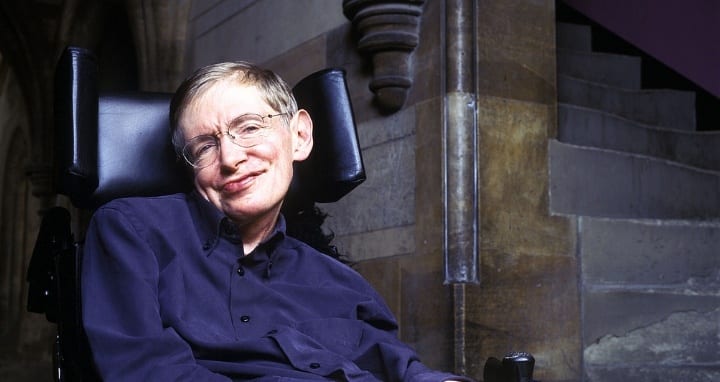
The value of humility
It can be difficult to remain humble when you are constantly being told that you are the smartest person in the room. You may start to believe that you really are the smartest person in the room and that everyone else is inferior to you. But it's important to remember that there is always someone who knows more than you do. There is always someone who is smarter than you are. And that's okay!
One of the best ways to learn is by listening to others and taking their perspectives into account, even if you don't agree with them. By hearing other people's opinions, you can learn new information and gain different perspectives. You may even find that you were wrong about something! It's important to be open to new ideas and willing to change your opinion if necessary.
If you're always the smartest person in the room, you're probably not challenging yourself enough and you're not growing as much as you could be. When you're constantly surrounded by people who agree with everything you say, it's easy to become complacent. You stop learning and growing because there's no challenge. But if you step outside of your comfort zone and seek out people who disagree with you, then you'll be forced to think critically and defend your beliefs. This will help you grow as a person and learn more about the world around you.
It's also important to have the humility to admit when you're wrong. We all make mistakes! It's part of being human. But what separates the successful from the unsuccessful is the ability to admit when we've made a mistake and learn from it. By admitting our mistakes, we can learn from them and become better people.
So why is humility important? Because it allows us to learn and grow! By remaining humble, we can have a positive impact on those around us and create a more inclusive environment.
The importance of growth and learning
One of the most important things we can do in life is to constantly seek to learn and grow. It can be difficult, but it is always worth the effort. We should never feel like we have "arrived" and stop learning, because there is always more to learn. Growth and learning help us to become better people. They make us more well-rounded and give us a deeper understanding of the world around us.
One of the best ways to learn and grow is to challenge ourselves. If we're always the smartest person in the room, we're not doing enough to challenge ourselves. We need to be open to new ideas and willing to change our opinion if necessary. It's also important to have the humility to admit when we're wrong. By admitting our mistakes, we can learn from them and become better people.
Growth and learning are never complete. We should always be striving to improve ourselves. One of the best ways to do this is to surround ourselves with people who are smarter than we are. This challenges us and helps us to see things from different perspectives. It also helps us to develop a healthy respect for other people's opinions.
When we seek out growth and learning, we make ourselves better people. We become more well-rounded and depth-minded individuals who are better equipped to deal with the challenges life throws at us
The impact of our actions and words
Our words and actions are a reflection of our attitudes and beliefs. They can either support or undermine our message. The impact of our actions and words can be far-reaching, even beyond the immediate situation. It is important to choose our words and actions carefully in order to create a positive and inclusive environment for all.
When we communicate with others, our words and actions reflect our underlying attitudes and beliefs. If we are not careful, our words and actions can undermine the message we are trying to communicate. For example, if we say one thing but then act in a way that contradicts what we have said, our actions will speak louder than our words. People will judge us based on our actions, not on our words.
The impact of our actions and words can extend far beyond the immediate situation. When we interact with others, we have the opportunity to either support or undermine their sense of self-worth. We can build them up or tear them down. We can make them feel included or excluded. The choices we make about how to communicate with others can have a lasting impact on the way they see themselves and the world around them.
We can create a more positive and inclusive environment by being mindful of the way we speak and act. We should avoid using language that is exclusive or that could make someone feel like they don't belong. We should also be careful not to make assumptions about others based on their appearance or background. Instead, we should strive to treat everyone with respect and dignity.
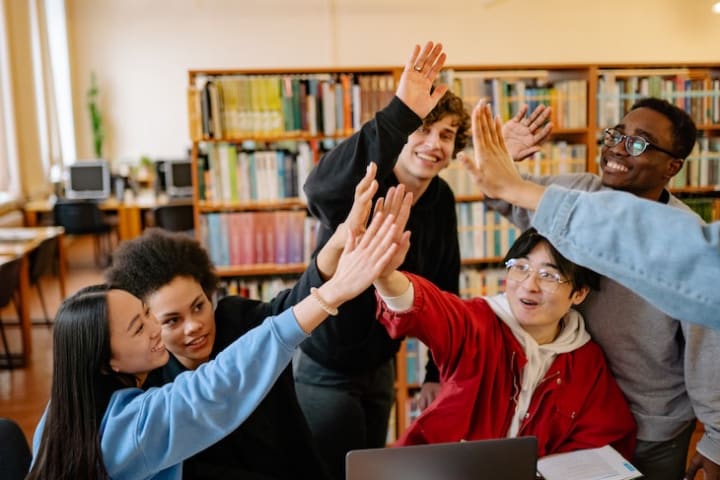
The importance of creating a positive and inclusive environment
A positive and inclusive environment is important for several reasons. It allows everyone in the room to feel like they belong, which can encourage them to participate and contribute to the discussion. Additionally, it helps to create an atmosphere of respect and cooperation. When people feel respected and valued, they are more likely to work together towards a common goal. Finally, it builds trust between individuals. When people feel like they can trust those around them, they are more likely to openly share their ideas.
One way we can create a positive and inclusive environment is by being aware of our own unconscious bias. We all have certain biases that we're not even aware of, but that can influence the way we interact with others. By making a conscious effort to be aware of our own bias, we can make sure that we're including everyone in the room.
Another way we can create a positive and inclusive environment is by being mindful of the impact our words and actions have on others. We all have the opportunity to either support or undermine others' sense of self-worth with the choices we make about how to communicate. When we're aware of the impact our words and actions can have, we can make sure that we're always supporting others and making them feel included.
Creating a positive and inclusive environment requires mindfulness and effort from everyone involved. However, it is worth it because it allows everyone in the room to feel respected, valued, and like they belong. Additionally, when people feel like they can trust those around them, they are more likely to openly share their ideas - which benefits everyone involved
About the Creator
G Fraust
Hi, I'm G, a writer and adventurer with a passion for exploring the world and experiencing all that it has to offer. With a love for travel and a desire for freedom, I seek out new adventures and challenges wherever I go.
Keep reading
More stories from G Fraust and writers in Motivation and other communities.
A Transparent Look at Vocal Challenges and Top Stories
Almost three years ago, we shared a resource article that served as a place for people to suggest new challenge prompts. We thought it would be a good idea to refresh that thread, and take the opportunity to answer a few common questions about top stories, how challenges are judged and how submissions are reviewed.
By Vocal Curation Team3 days ago in Resources



Comments
There are no comments for this story
Be the first to respond and start the conversation.