
Timeless Wisdom: The Advice of Luqman Hakeem
Ancient Teachings for a Modern World
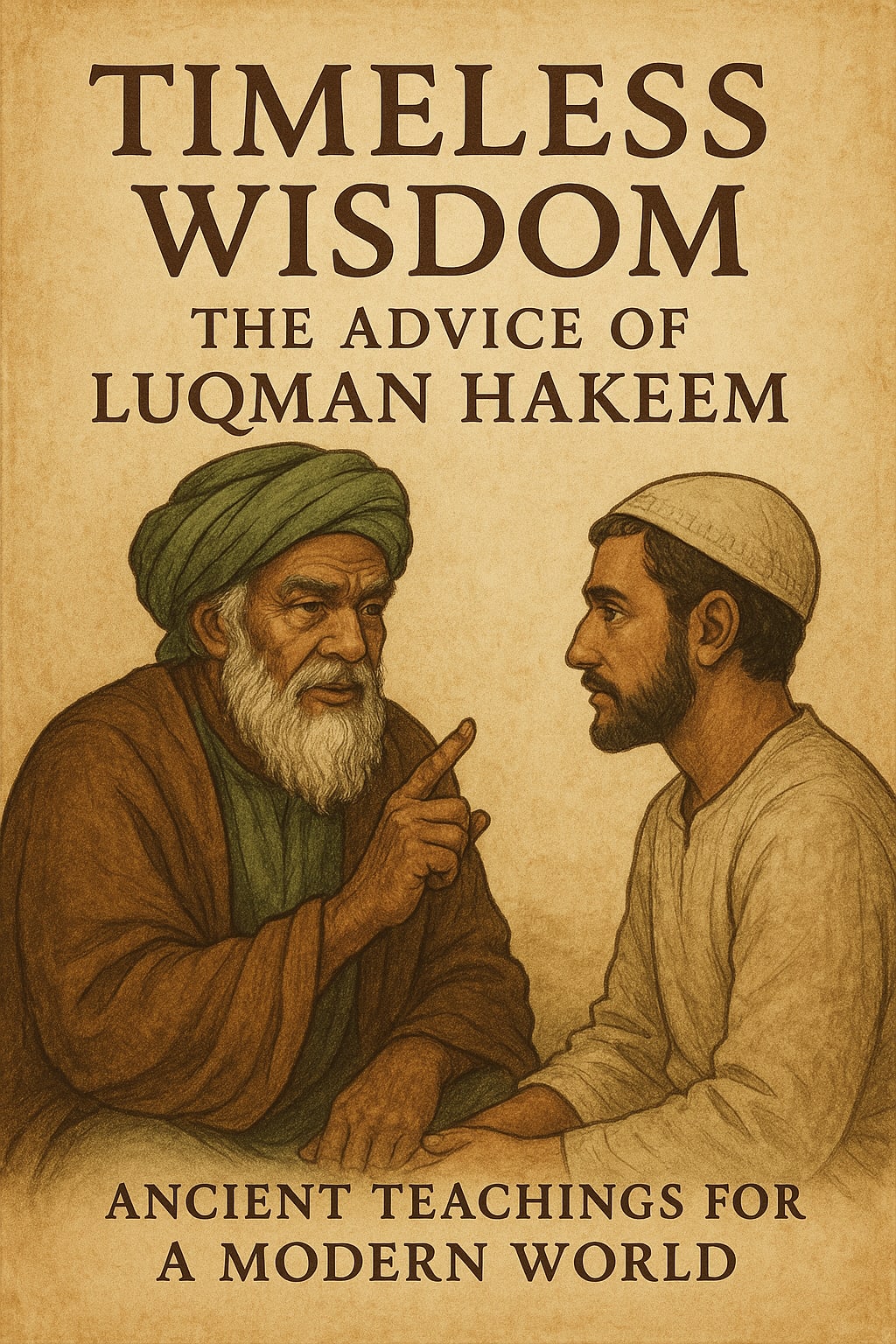
Throughout human history, certain voices echo across the ages, carrying wisdom that transcends time and culture. One such voice belongs to Luqman Hakeem, a figure revered in Islamic tradition and known widely for his profound wisdom and moral teachings. Mentioned in the Qur’an and celebrated in folklore, Luqman’s advice continues to guide countless people, reminding us of values that form the foundation of a balanced and righteous life.
Luqman was not a prophet but a wise man granted wisdom by God. His legacy is most famously preserved in the Qur’anic chapter named after him, Surah Luqman, where he imparts life lessons to his son. These lessons are not merely historical anecdotes; they are universal truths applicable even in our fast-paced, technologically driven world.
The Importance of Gratitude
One of the first pieces of advice Luqman gave his son was to be grateful to God. Gratitude is a central theme in his teachings and serves as a powerful tool for achieving inner peace and contentment. In today's world, where people often focus on what they lack rather than what they have, Luqman's emphasis on thankfulness serves as a much-needed reminder.
Gratitude shifts our mindset from scarcity to abundance. By appreciating small blessings—health, family, a meal on the table—we learn to find joy in simplicity. Modern psychological studies also confirm that practicing gratitude improves mental health, reduces stress, and increases happiness. Thus, Luqman’s ancient advice finds strong support in contemporary science.
The Prohibition of Shirk
Luqman sternly advised his son against shirk, the act of associating partners with God. While this has a clear theological meaning in Islam, it also offers a broader moral message: stay true to your core values and avoid placing undue importance on materialistic pursuits or false idols. In today’s consumerist society, people often worship wealth, fame, or social status, losing sight of what truly matters.
By anchoring oneself in spiritual or moral principles, one can navigate life's temptations and distractions with clarity and purpose. Luqman's guidance urges us to cultivate sincerity and integrity in all aspects of life.
The Value of Prayer
Another critical piece of Luqman’s advice was to "establish prayer." Beyond its religious significance, prayer can be seen as a metaphor for establishing discipline, routine, and a reflective connection with something greater than ourselves. Whether through traditional prayer, meditation, or mindful reflection, taking time to pause and center ourselves is crucial in our overstimulated era.
Prayer serves as a daily reminder of our priorities, grounding us amidst chaos and helping us stay aligned with our goals and values. It also encourages patience and humility, virtues that are essential for personal growth.
Encouraging Good and Forbidding Wrong
Luqman advised his son to encourage good and forbid evil. This timeless guidance urges individuals to be active contributors to society rather than passive observers. It reminds us to speak up against injustice, support charitable causes, and help those in need.
In a world facing challenges like inequality, environmental crises, and moral decay, each person’s effort to promote goodness can create ripples of positive change. Luqman's advice empowers us to take responsibility for our communities and the world at large.
Patience in Adversity
"Bear with patience whatever befalls you," Luqman told his son. Life is unpredictable, often throwing obstacles in our path. Patience, therefore, becomes a shield that protects us from despair and bitterness.
Modern life, with its constant hustle and instant gratification culture, leaves little room for patience. We want immediate results, quick success, and fast solutions. Yet, Luqman’s wisdom reminds us that true growth and success require time and perseverance. Embracing patience allows us to endure hardships gracefully and emerge stronger from our trials.
Humility and Modesty
Luqman also warned against arrogance and pride, advising his son to walk modestly and speak gently. In a world obsessed with self-promotion and personal branding, humility is often overlooked. Yet, it remains a powerful virtue that strengthens relationships and fosters a spirit of community.
Humility does not mean diminishing oneself but rather recognizing our place in the larger tapestry of life. It encourages us to listen more, judge less, and approach others with compassion and respect.
Bringing Ancient Teachings to the Modern World
Luqman’s teachings are not relics of the past; they are living guidelines for anyone striving for a meaningful and fulfilling life. In an age of digital distractions, moral uncertainty, and rising mental health struggles, his wisdom serves as a beacon of light.
Whether you are seeking spiritual growth, emotional resilience, or ethical clarity, the advice of Luqman Hakeem offers a blueprint. It invites us to cultivate gratitude, uphold integrity, practice patience, and embrace humility—qualities that can transform individuals and societies alike.
As we navigate the complexities of the modern world, let us remember Luqman’s words and pass them on to future generations. By integrating these ancient teachings into our daily lives, we can find balance, strengthen our character, and build a world grounded in timeless virtues.
About the Creator
Keep reading
More stories from Noor Hussain and writers in Motivation and other communities.
The Cristiano Ronaldo Legacy
Cristiano Ronaldo was not born a legend. He wasn’t born in a palace or to a famous footballing family. He was born on the small Portuguese island of Madeira, in a humble neighborhood where dreams seemed too big to fit between the narrow streets and concrete walls. But even as a boy, Cristiano’s feet seemed to move with a destiny of their own.
By Noor Hussain8 months ago in Motivation
Alfa Ambir Bagwan: Leading Teams with Technical Expertise and Strategic Vision
In today’s fast-paced professional world, leadership requires a combination of technical understanding, strategic thinking, and the ability to inspire teams to achieve collective goals. Alfa Ambir Bagwan exemplifies this balance, building a career that blends technical expertise with marketing knowledge and strong team leadership.
By Thetribunemedia6 days ago in Motivation
Beyond the Profile: How Influential Women Are Redefining Leadership on Their Own Terms?
Beyond the Profile: How Influential Women Are Redefining Leadership on Their Own Terms The definition of influence is changing. It’s no longer just about a title, a corner office, or a mention in a traditional power list. Today, Influential Women are shaping industries, redefining success, and building communities on their own terms. They are founders, executives, and thought leaders who understand that true leadership isn’t about being covered—it’s about having the authority to share their own narrative.
By influentialwomenmagazine3 days ago in Motivation



Comments
There are no comments for this story
Be the first to respond and start the conversation.