
The Ultimate Guide to Choosing the Right Dog Breed for Your Lifestyle:
Top 10 Breeds and Why They Might Be Perfect for You
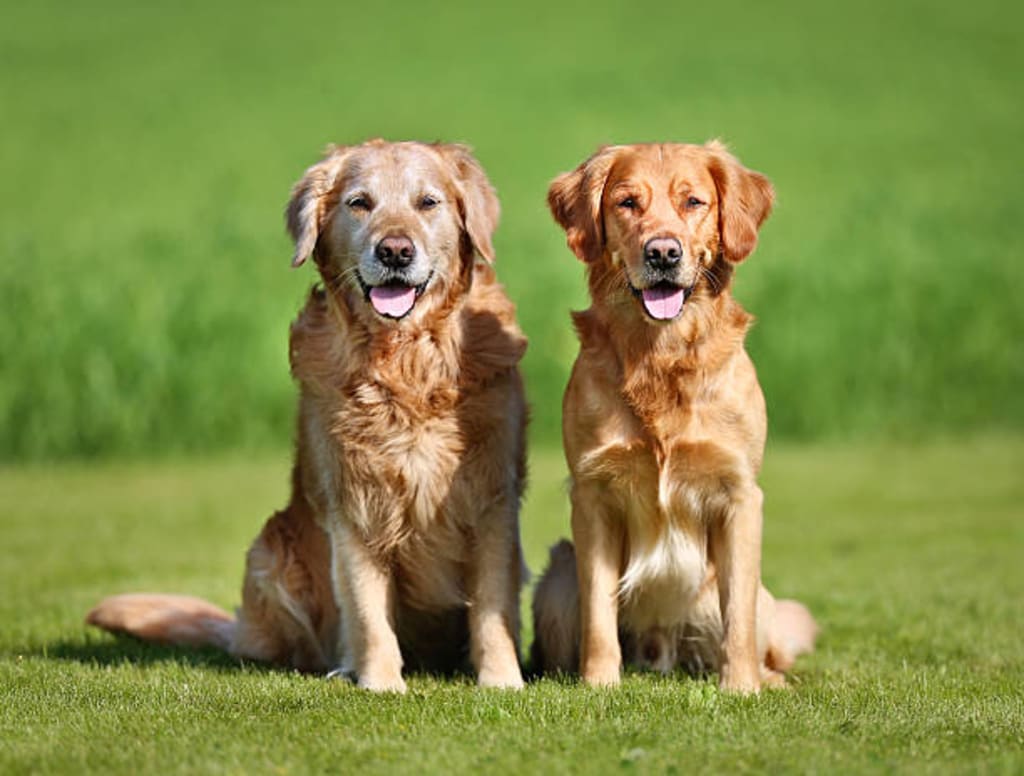
The Ultimate Guide to Choosing the Right Dog Breed for Your Lifestyle:
Top 10 Breeds and Why They Might Be Perfect for You
Owning a dog is a lifelong commitment that brings joy, love, and responsibility. If you're thinking about adding a furry friend to your family, it’s crucial to consider how their breed will fit into your lifestyle. In this guide, we’ll deeply dive into the top 10 most popular dog breeds, exploring their traits, exercise needs, and whether they’ll fit you. We’ll also highlight the often-overlooked mutts and mixed breeds, which might surprise you with their benefits!
Outline
Introduction
Why choosing the right dog breed matters
Importance of considering your lifestyle
1German Shepherd
Origins and history
Characteristics and temperament
Exercise needs and grooming
Pros and cons of owning a German Shepherd
2Golden Retriever
History and temperament
Social nature and exercise needs
Grooming requirements and shedding
When a Golden Retriever is not ideal
3Labrador Retriever
Origins and traits
Personality and family compatibility
Exercise and grooming needs
Why Labs are great but demanding
1Beagle
The Beagle’s instinctive traits
Size, energy levels, and exercise needs
Temperament and training challenges
Advantages of having a Beagle
1Poodle
Different sizes of Poodles (Standard, Miniature, Toy)
Intelligence and energy levels
Grooming and shedding facts
Health concerns and training tips
2English Bulldog
History and Personality
Low exercise needs and ideal living conditions
Grooming and health issues
Pros and cons of owning an English Bulldog
1French Bulldog
Origins and temperament
Low exercise needs and apartment suitability
Health problems to consider
Why French Bulldogs make great pets
Rottweiler
Origins and working history
Guarding instincts and territorial behavior
Exercise and training challenges
Why a Rottweiler might be the right fit
Siberian Husky
History as sled dogs
High energy and social needs
Grooming, shedding, and training
Why Huskies require committed owners
Pembroke Welsh Corgi
Herding instincts and intelligence
Exercise needs and personality
Grooming and health considerations
When a Corgi might not be right for you
Mutts or Mixed Breeds
The advantages of adopting a mutt
Health benefits and less cost
Personality traits of mixed breeds
What to expect from a mutt
Conclusion
The right dog breed depends on your lifestyle
Final thoughts on choosing the best dog
FAQs
What is the best dog breed for families with young children?
How much exercise does a German Shepherd need?
Do Golden Retrievers shed a lot?
Are mixed-breed dogs healthier than purebreds?
What are the main challenges with owning a Rottweiler?
Choosing the Right Dog Breed for Your Lifestyle
When it comes to owning a dog, the excitement is real! But before you rush to adopt or buy, it's important to realize that each dog breed has unique traits, care requirements, and temperaments. This guide will help you make an informed decision by looking at the top 10 most popular dog breeds and offering insights into their behavior, grooming needs, and suitability for your home.
1. German Shepherd
Known for their loyalty and intelligence, German Shepherds are among the most popular and versatile dogs worldwide. Originally bred for herding, they have a strong instinct to protect their family and property.
Characteristics & Temperament:
Protective, loyal, and alert
Can be aloof with strangers but loving with their family
Great for families but can be cautious around new faces
Exercise & Grooming:
Needs daily strenuous exercise to stay happy and healthy
Double-coated, shedding heavily, especially during spring and fall
Regular grooming to manage shedding
Pros:
Extremely intelligent and trainable
Excellent guard dogs and protectors
Cons:
Not ideal for first-time dog owners due to their energy and need for constant attention
Heavy shedding
2. Golden Retriever
Golden Retrievers are famous for their friendly and outgoing nature. They are one of the most popular family pets due to their loving disposition and excellent behavior with children and other pets.
Characteristics & Temperament:
Loyal, friendly, and gentle
Great with children and strangers alike
Not a guard dog—will happily greet intruders
Exercise & Grooming:
Active dogs that need regular exercise (a walk or swim is great)
Grooming is essential due to frequent shedding
They require brushing to maintain their beautiful coat
Pros:
Great family dog and easy to train
Loves to play and swim
Cons:
Not ideal for guarding or protection
Frequent shedding requires regular grooming
3. Labrador Retriever
Labradors are another popular breed, particularly for families. They were originally bred to help with hunting, but today they are known for being kind, obedient, and playful.
Characteristics & Temperament:
Friendly, social, and loves to be around people
Excellent with children and other pets
Energetic and fun-loving
Exercise & Grooming:
Requires plenty of exercise (runs, fetch, swimming)
Double-coated, so regular brushing is necessary
Prone to shedding
Pros:
Ideal for active families
Great temperament and easy-to-train
Cons:
Requires a lot of exercise and space
Not great for owners who prefer low-maintenance pets
4. Beagle
Beagles are smaller dogs with a big personality. They are known for their incredible sense of smell, making them excellent hunters and trackers.
Characteristics & Temperament:
Curious, playful, and friendly
Great with children, but can be a bit stubborn
Strong hunting instincts, so they may run off if not supervised
Exercise & Grooming:
Need regular exercise, but they’re smaller, so they’re suited for apartments
Short coat, less shedding
Can be noisy with barking and howling
Pros:
Great for smaller homes or apartments
Loyal and fun-loving
Cons:
Stubborn and hard to train
Will follow scents, making them a flight risk if not kept on a leash
5. Poodle
Poodles, whether standard, miniature, or toy, are known for their curly, hypoallergenic coats and sharp intelligence. They are great companions for active families or those who like a more energetic dog.
Characteristics & Temperament:
Very intelligent, trainable, and loving
Good with children and other pets
Adaptable to many lifestyles
Exercise & Grooming:
Daily brushing is a must to keep their coat healthy
Hypoallergenic—great for allergy sufferers
Needs regular exercise to burn off energy
Pros:
Easy to train and highly social
Low shedding
Cons:
Requires high grooming maintenance
Prone to certain health problems
6. English Bulldog
English Bulldogs are low-energy, easy-going dogs known for their adorable wrinkled faces and loyal personalities.
Characteristics & Temperament:
Calm, easy-going, and loving
Friendly with children but not much of a guard dog
Can be a bit stubborn at times
Exercise & Grooming:
Low exercise needs; perfect for apartment living
Moderate shedding and frequent drooling
Wrinkles require regular cleaning to avoid skin infections
Pros:
Very affectionate and calm
Easy to live with, especially for less active families
Cons:
Prone to breathing issues due to their flat faces
Health problems like heart issues are common
7. French Bulldog
French Bulldogs are the perfect blend of cute and low-maintenance, making them ideal for people living in apartments or who don’t want a high-energy pet.
Characteristics & Temperament:
Playful, affectionate, and sociable
Adapt well to apartment living
Low barking and minimal exercise needs
Exercise & Grooming:
Minimal exercise required
Brushing once a week is enough
Susceptible to breathing problems due to their flat faces
Pros:
Great for city dwellers
Low maintenance in terms of exercise
Cons:
Prone to various health issues, especially with their breathing
May have a stubborn streak during training
8. Rottweiler
Rottweilers are large, strong dogs originally bred to herd cattle and pull carts. They are loyal and protective but require a committed owner who can provide structure and training.
8. Rottweiler (Continued)
Characteristics & Temperament:
Protective, loyal, and confident
Naturally territorial and protective of their home and family
Requires consistent training and socialization from an early age
Exercise & Grooming:
Requires plenty of exercise, including walks and mental stimulation
Moderate shedding, so regular grooming is needed
Needs a strong, experienced owner to guide their training
Pros:
Excellent guard dog and protector
Very loyal and loving with family members
Cons:
Requires a lot of exercise and mental stimulation
Can be difficult to train if not handled properly
9. Siberian Husky
Siberian Huskies are a beautiful and energetic breed, known for their striking appearance and independent personalities. Originally bred as sled dogs, they have high energy levels and need plenty of space to run and play.
Characteristics & Temperament:
Friendly, outgoing, and sociable
Very independent and can be stubborn at times
Not a natural guard dog—more likely to befriend strangers
Exercise & Grooming:
Requires lots of exercise and space to run, ideally in a large yard or open area
Double-coated, shedding heavily, especially during seasonal changes
Regular grooming needed to manage their thick coat
Pros:
Friendly with children and other pets
Stunning appearance and unique markings
Cons:
Requires a lot of exercise and mental stimulation
Stubborn nature can make training challenging
10. Pembroke Welsh Corgi
Corgis are adorable, small herding dogs with a big personality. These dogs are known for their charming looks, playfulness, and intelligence.
Characteristics & Temperament:
Friendly, outgoing, and energetic
Great with children, but can have a stubborn streak
Extremely intelligent and enjoys being mentally stimulated
Exercise & Grooming:
Despite their small size, Corgis need regular exercise to burn off energy
Heavy shedding, requiring regular grooming and brushing
Low to the ground, so they are prone to back issues, so proper care is needed
Pros:
Great family dog, especially with active families
Loyal and eager to please
Cons:
Can be stubborn, making training more challenging
Requires regular grooming due to heavy shedding
11. Mutts or Mixed Breeds
Mutts, or mixed-breed dogs, are often overlooked in favor of purebreds, but they can make wonderful pets. Many mutts are a mix of several breeds, inheriting traits that can be beneficial for different lifestyles.
Advantages of Mutts:
Healthier Genetics: Mixed breeds often have fewer hereditary health problems, as they are less likely to suffer from genetic disorders found in purebreds.
Lower Cost: Mutts are usually less expensive to adopt or purchase compared to purebred dogs.
Unique Personalities: With a blend of different traits, mutts can have more balanced personalities and behavior.
Training: Many mutts are quick learners and adapt well to new situations because they don’t have the extreme traits that some purebreds do.
Challenges of Mutts:
Uncertainty in Size and Traits: When adopting a mutt, you might not know their exact mix, so they may grow to be bigger or smaller than you expect, and you won’t know exactly how their temperament will develop.
Behavioral Traits: While mutts tend to be more adaptable, you may face behavioral quirks from their mixed breed background.
Pros:
Less expensive to adopt
Healthier overall due to genetic diversity
Lots of character and charm
Cons:
Can be difficult to predict size and temperament
May inherit a mix of traits from different breeds, leading to surprises in behavior
Conclusion
Choosing the right dog breed for your lifestyle is crucial to ensuring a long, happy, and fulfilling relationship with your new furry friend. Each breed comes with its unique characteristics, grooming needs, exercise levels, and temperament. The key is to choose a breed that matches your activity level, living situation, and personality. Whether you're looking for a playful family dog like a Golden Retriever, a calm companion like an English Bulldog, or a protective guard dog like a Rottweiler, there’s a breed that fits your needs.
Don't forget, that mixed-breed dogs can also be an excellent choice! They offer great variety, and unique traits, and often come with fewer health issues. In the end, taking the time to research and carefully consider your options will lead to a rewarding experience as a dog owner. Your dog will become a loyal companion, bringing joy and love into your life for years to come.
FAQs
1. What is the best dog breed for families with young children? Golden Retrievers, Labradors, and Beagles are fantastic choices due to their friendly and patient nature. They tend to be gentle with children and are very social.
2. How much exercise does a German Shepherd need? German Shepherds are high-energy dogs and require at least an hour of vigorous exercise each day, including walks, runs, or playtime.
3. Do Golden Retrievers shed a lot? Yes, Golden Retrievers shed frequently, especially during the spring and fall. Regular grooming and brushing can help manage their shedding.
4. Are mixed-breed dogs healthier than purebreds? Generally, yes. Mixed-breed dogs benefit from genetic diversity and tend to have fewer inherited health issues compared to purebred dogs.
5. What are the main challenges with owning a Rottweiler? Rottweilers are protective and territorial, which means they require strict training and socialization. They also need plenty of exercise and can be challenging for first-time dog owners.
About the Creator
Keep reading
More stories from kashif and writers in Motivation and other communities.
One Hard Thing
Stop me if you’ve heard this one before: You have the number, you know your schedule- you’ve even picked out the perfect day and time to make this appointment. Shoot, you’ve even picked out alternative days and times just in case their schedules can’t accommodate you!
By Taylor Rigsby8 days ago in Motivation
Why Consistency Beats Talent
I used to believe talent was everything. If you were born gifted, doors opened. If you weren't, well, you just had to accept your limits. I watched the naturally talented people around me—the ones who made everything look effortless—and felt a familiar sting of envy mixed with resignation.
By Fazal Hadi6 days ago in Motivation




Comments
There are no comments for this story
Be the first to respond and start the conversation.