
The Surprising Benefits of Nature on Mental Health
Exploring the Connection Between Spending Time Outdoors and Improving Your Well-being
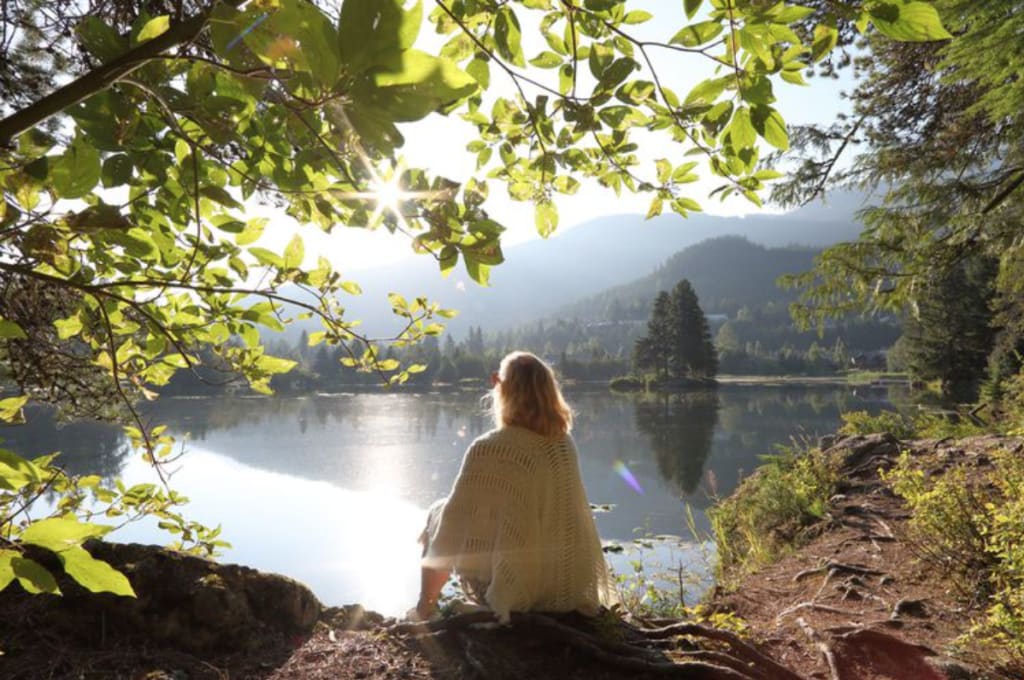
When was the last time you spent some quality time in nature? Whether it's a hike in the woods, a walk in the park, or a picnic by the beach, there's no denying the rejuvenating effects of spending time outdoors. In fact, research has shown that spending time in nature can have a profound impact on our mental health and well-being.
In today's fast-paced world, many of us spend most of our time indoors, staring at screens, and rushing from one task to another. This constant exposure to technology and urban environments can lead to feelings of stress, anxiety, and depression. However, spending time in nature can help combat these negative effects and provide a range of mental health benefits.
Here are just a few of the ways that spending time in nature can improve your mental health:
1. Reducing Stress and Anxiety
Spending time in nature has been shown to reduce stress and anxiety levels. One study found that spending just 20 minutes in nature can lower cortisol (a stress hormone) levels. Another study found that spending time in green spaces can lower symptoms of anxiety and depression.
2. Boosting Mood and Self-esteem
Being in nature can also boost your mood and self-esteem. Research has shown that spending time in natural environments can increase positive emotions and decrease negative emotions. It can also help increase feelings of self-worth and reduce symptoms of low self-esteem.
3. Improving Cognitive Functioning
Spending time in nature can also improve cognitive functioning. One study found that children who spent more time playing outside had better attention spans and were less impulsive. Another study found that spending time in nature can improve memory and creativity.
4. Promoting Physical Health
Being in nature can also promote physical health, which can have a positive impact on mental health. Research has shown that spending time in nature can lower blood pressure, reduce inflammation, and boost the immune system. It can also help increase physical activity levels, which can lead to better physical and mental health outcomes.
So, how can you incorporate more nature into your daily life? Here are a few tips:
1. Take a Walk in Nature
Going for a walk in a nearby park, nature reserve, or forest can be a great way to get some fresh air and exercise while also connecting with nature. Even just a 15-20 minute walk can have a positive impact on your mental health.
2. Spend Time Gardening
If you have a backyard or a balcony, consider starting a garden. Gardening can be a great way to connect with nature, get some exercise, and even grow your own fruits and vegetables.
3. Practice Mindfulness in Nature
Mindfulness is the practice of being fully present and aware of our thoughts, feelings, and surroundings in the present moment. Practicing mindfulness in nature can be a great way to connect with the natural world and reduce stress and anxiety.
4. Take Part in Outdoor Activities
There are plenty of outdoor activities that you can take part in, such as hiking, biking, kayaking, and camping. These activities can help you get some exercise, enjoy nature, and connect with others.
In conclusion, spending time in nature can have a profound impact on our mental health and well-being. Whether it's a walk in the park, a hike in the woods, or a picnic by the beach, make sure to take some time to connect with nature and enjoy the many benefits it has to offer.
About the Creator
Keep reading
More stories from Ishpreet Khatkar and writers in Motivation and other communities.
The Power of Mindfulness
In today's fast-paced and ever-changing world, many of us find ourselves constantly feeling stressed, anxious, and overwhelmed. We may feel like we're always rushing from one thing to the next, without ever really stopping to take a breath and appreciate the present moment. This is where mindfulness comes in.
By Ishpreet Khatkar3 years ago in Education
One Hard Thing
Stop me if you’ve heard this one before: You have the number, you know your schedule- you’ve even picked out the perfect day and time to make this appointment. Shoot, you’ve even picked out alternative days and times just in case their schedules can’t accommodate you!
By Taylor Rigsby25 days ago in Motivation
The Year of the Horse 2026
The next Year of the Horse begins on February 17, 2026, and ends on February 6, 2027. In the Chinese zodiac cycle, Horse years are associated with speed, momentum, and movement. 2026 adds another layer: it’s a Fire Horse year, which brings extra heat, volatility, and intensity—both promising and demanding at the same time.
By abualyaanart2 days ago in Motivation




Comments
There are no comments for this story
Be the first to respond and start the conversation.