
The Rise of Generative AI
Transforming Industries Through Artificial Intelligence

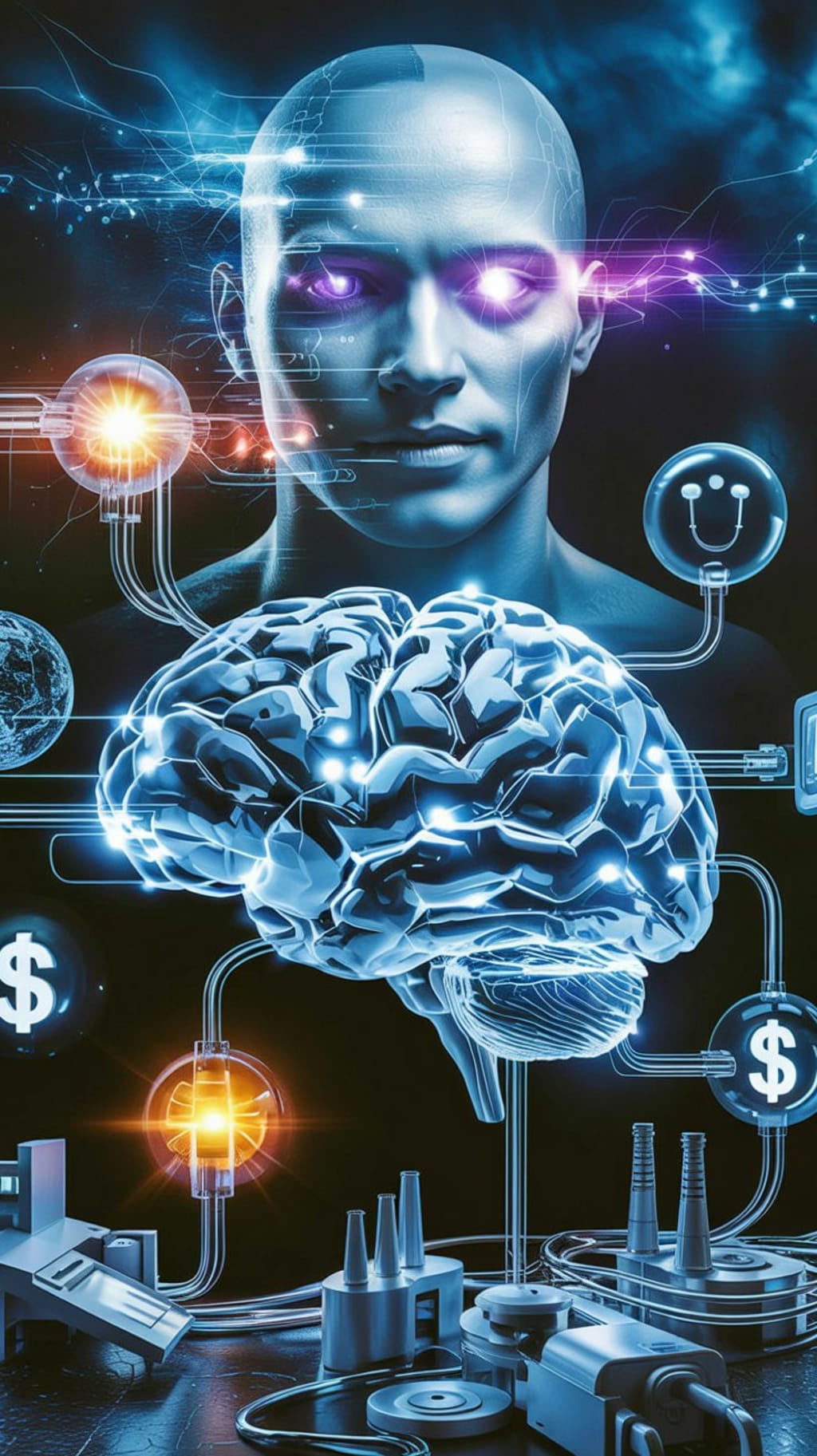
The evolution of artificial intelligence (AI) has entered a revolutionary new phase—Generative AI. From text and images to code, music, and even synthetic data, generative AI is not just automating tasks, but redefining creativity, productivity, and innovation across industries.
As this technology rapidly matures, it’s crucial to understand its mechanisms, applications, and transformative potential in the global economy. In this article, we’ll explore how generative AI is reshaping the future of work, businesses, and society at large.
What is Generative AI?
Generative AI refers to a category of artificial intelligence models that can generate new, original content based on the data they have been trained on. Unlike traditional AI systems that classify or analyze data, generative AI systems create—be it writing essays, designing graphics, composing music, or developing code.
Popular examples include:
• ChatGPT (by OpenAI) – for generating human-like text
• DALL·E and Midjourney – for generating images from text prompts
• GitHub Copilot – for assisting in code generation
• Sora (by OpenAI) – for generating realistic videos
How Does Generative AI Work?
Generative AI relies on deep learning models, particularly transformers and Generative Adversarial Networks (GANs). These models are trained on massive datasets, enabling them to understand patterns and relationships within the data. Once trained, they can produce new content that mirrors the style or characteristics of their training data.
Some key techniques include:
• Language Models (e.g., GPT, BERT) for text generation
• GANs for image and video creation
• Diffusion Models for high-quality visual content
• Autoencoders and Variational Autoencoders (VAEs) for generating realistic samples
Industry-Wise Impact of Generative AI
1. Media & Entertainment
Generative AI is streamlining content creation—from writing scripts and news articles to generating visual effects and soundtracks. Filmmakers use AI tools to storyboard, enhance visuals, and even de-age actors. Social media influencers and content creators now use AI to generate short-form videos and marketing assets in minutes.
2. Healthcare
Generative AI aids in drug discovery, medical imaging, and patient diagnosis. By generating molecular structures and simulating interactions, pharmaceutical companies can reduce the time and cost of research. AI-generated radiology reports and medical summaries improve accuracy and efficiency in diagnostics.
3. Finance
In the financial sector, generative AI is used for:
• Generating financial reports and summaries
• Simulating market trends and risks
• Enhancing fraud detection systems This reduces manual workloads while improving speed and decision-making accuracy.
4. Education
AI-powered tools can now generate personalized learning materials, interactive quizzes, and feedback. Educators are using platforms like ChatGPT to create custom lesson plans, while students can engage with AI tutors for instant help.
5. Marketing and Advertising
Marketers leverage generative AI to create compelling ad copy, social media posts, product descriptions, and customer personas. AI-generated visuals and videos are transforming brand storytelling at scale.
6. Software Development
Developers use tools like GitHub Copilot and Replit Ghostwriter to generate code snippets, detect bugs, and speed up the development lifecycle. This not only increases productivity but also lowers the barrier to entry for beginner programmers.
7. E-commerce and Retail
Retailers deploy generative AI for personalized shopping experiences. It powers:
• AI-generated product descriptions
• Personalized email campaigns
• Virtual try-ons using generated visuals
• Synthetic customer reviews for market testing
Benefits of Generative AI
• Efficiency: Automates time-consuming creative and analytical tasks.
• Scalability: Enables production of content at scale with minimal human input.
• Innovation: Unlocks new business models and creative expressions.
• Accessibility: Empowers non-experts to create high-quality content easily.
Challenges and Ethical Considerations
Despite its promise, generative AI poses significant challenges:
• Bias and Misinformation: AI models can replicate biases from training data or generate false information.
• Intellectual Property: Ownership of AI-generated content is still a legal gray area.
• Job Displacement: Automation of creative and professional tasks may affect traditional roles.
• Deepfakes and Manipulation: The misuse of AI to generate fake videos, voices, or images raises concerns about security and trust.
To address these, companies and regulators must work together to create ethical frameworks and transparency standards.
The Future of Generative AI
The next wave of generative AI will likely include:
• Multimodal AI: Systems that understand and generate across multiple types of media (text, image, video, sound).
• More Human-like Interaction: Emotion-aware and contextually intelligent chatbots.
• Enterprise Integration: Seamless integration into business workflows and enterprise software.
• Creative Collaboration: Tools that augment rather than replace human creativity, turning users into "AI co-creators."
Conclusion
Generative AI is not just a technological trend—it’s a paradigm shift. Its ability to create, not just process, is transforming the way industries operate, innovate, and deliver value. While challenges remain, the potential of generative AI to boost productivity, creativity, and personalization is undeniable.
As we continue to embrace this evolution, the focus should be on responsible development, ethical deployment, and inclusive access—ensuring that the benefits of generative AI reach individuals and businesses across the globe.
About the Creator
Syed Umar
"Author | Creative Writer
I craft heartfelt stories and thought-provoking articles from emotional romance and real-life reflections to fiction that lingers in the soul. Writing isn’t just my passion it’s how I connect, heal, and inspire.
Keep reading
More stories from Syed Umar and writers in Motivation and other communities.
Emotional Intelligence
Introduction In today’s fast-paced world, we often associate success with intelligence, qualifications, or technical skills. We chase degrees, certificates, and promotions believing they’ll guarantee happiness or respect. But more often than not, it's not the smartest person in the room who wins, it's the one who can stay calm under pressure, communicate clearly, and handle people with empathy. That’s the hidden superpower known as Emotional Intelligence.
By Syed Umar 8 months ago in Motivation
Stop Dimming Your Light to Make Other People Comfortable
Many people learn early in life that standing out can feel dangerous. Maybe you were told you were “too loud,” “too emotional,” “too ambitious,” or “too much.” Maybe your excitement was met with criticism. Maybe your success made someone else uncomfortable. Maybe speaking your truth caused conflict.
By Stacy Valentinea day ago in Motivation




Comments
There are no comments for this story
Be the first to respond and start the conversation.