
The Problem with Positive Thinking
What is wrong with positive thinking?

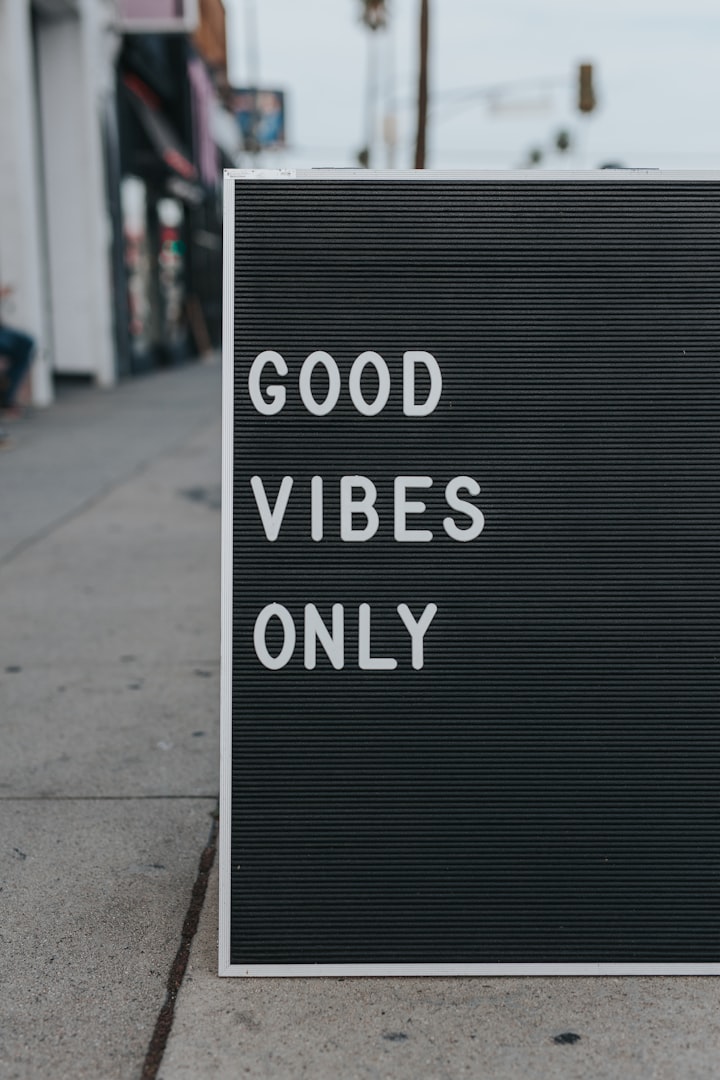
Positivity is having a moment
From start-ups to sports teams, nonprofits to hospitals, the idea that we have to “think positively” — to believe that the desired outcome will result, to visualize the best possible scenario, to have belive that our actions will bring us closer to our goals — is becoming more than just an affirmation or mantra. It’s becoming a way of life.
And to be fair, it’s not just aspirational bullish*t.
Having an optimistic outlook on life, found in one Harvard study, might actually help people live longer. A study at Johns Hopkins University found people with a family history of heart disease who chose to have a positive outlook were one-third less likely to have a heart attack or other major cardiovascular events than those who had a negative outlook.
The benefits extend to mental health, too. Scientists discovered that positive associations reduced anxiety, diminished stress, and actually boosts memory. This cultivates a quote-on-quote feedback loop with our physical health, which would explain why positive emotions are conducive to a longer life span.
At the same time, many researchers would argue that we are not just happy because we are successful, but that when we are successful because we’re happy — that positive emotions actually perpetuate success and not the other way around.
Positivity isn’t just about motivational posters, YouTube videos, and inspirational quotes. There’s a distinction between how optimistic and effective we are, in our bodies, minds, careers, and relationships. Without a positive outlook, it seems like we are at disadvantage.

The Cult of Positivity
But this new trend of positive thinking has also created delusion: that we have to be positive or we won't be successful. The ideology behind this assumption is that we should never be negative, or we're bound to be failures. My. If someones say that to you is that really positive?
This is the movement that says we need to force a smile, commit to unmovable optimism, deny difficulties, and suppress any thoughts or feelings that don’t conform to the ideology that the positive belief system demands. I'd go as far as saying that breeds being disingenuous.
I refer to this as the cult of positivity. And I think it’s becoming a real problem.
I do agree positivity is clearly a powerful mindset, it’s just one of several adaptive feelings at our disposal. Although positivity does help us engage with the world in a productive way, it takes away from developing emotional intelligence as human beings.
In fact, that is the irony behind the positivity movement: It breeds negativity by dictating which feelings are acceptable to have.
When we contribute to the cult of positivity, we miss out on a lot of experiences — experiences that are not only legitimate but incredibly useful.
To really embrace the power of positivity, we need to be equally as comfortable with the negative feeling instead of denying ourselves the experience. We need to recognize that we can be positive and concerned, while also being realistic, hopeful, and cautious. t's perfectly healthy to admit we are troubled, worried, angry, or fearful. We need to remember that sometimes it's necessary
Positivity alone is sufficient for long and meaningful life.
So what is the key?
Experiencing every emotion available to us — both positive and negative — learning how to use them the right way. Which starts with a simple practice.
Embrace your emotions — even the negative ones.
When we pick and choose which emotions we feel — or suppress the negative ones — we end up neglecting an entire vertical of personal growth
Take anger, for example.

Nobody legitimately likes to feel angry, this normal feeling is actually one of the most powerful to experience. It’s the emotion that resembles disagreement, concern, skepticism, and an opportunity for growth— to change either ourselves or how we see the world around us. Almost every significant movement in history was driven in part by anger.
Why?
Because anger forces us into action on something that isn't right in our lives. Sadness tends is more internal, and regret more passive, but anger is uniquely designed to galvanize us into making a change.
This is why the greatest entrepreneurs have such a strong hatred for the industries they disrupt. Why politicians get mad about policies and want to rewrite them. Why writers need an intellectual enemy to confront. Because in order to challenge and change the status quo they have to tap into anger, and search for innovative solutions, and develop new ideas.
If we subscribe completely to the cult of positivity, we miss out on that superpower.
It's been cooked into the movement that emotions like anger are dangerous. At the least, they’re counterproductive. At most, they’re incredibly toxic. The positivity movement tells us to hinder those feelings, because “embracing” them would be a mistake.
There is no doubt that anger can be counterproductive or toxic if it’s not used correctly. Blind anger, by self-awareness or empathy, is debilitating, irrational, and can even be downright dangerous. It can slowly simmer rather than motivate. It can get suppressed or repressed — especially in romantic relationships and careers — leading to the disruptive unconscious dynamics that we see in bedrooms and conference rooms. So it’s not that the feeling of anger is “good,” full stop. It’s that’s anger has the potential to motivate — if we harness it correctly.
What makes anger useful how the person feeling it experiences it.
The emotion alone is simply that — an emotion. A set of neurons, neurotransmitters, and even hormones creating mental and emotional sensations. It’s our responsibility to study those sensations, to understand them, to question their validity, and to decide the best way to put them into action. This is how “negative” emotions become good — not just by taking them to heart, but by processing and applying them correctly.
For example, an angry salesperson furious at his manager could call up every customer, slander his company, then quit in a blaze of glory. Or he could look at his anger, determine why it’s arising, and how it should direct, and attempt to change the policies, people, and culture he finds troubling. Same emotion, two very different applications.
But anger isn’t the only useful “negative” emotion. Take envy, for example.
While we usually try to suppress our envy with concern we will be labeled "jealous" — and judge it pretty severely when we see other people's experience with it — envy can teach us a lot.
Envy can give us clarity into what we really want, by osmosis revealing what we wish we had. It shows us that achieving those goals is actually possible. It can remind us that we’re pre-disposed to comparison, but it can also make us more empathetic to other people’s tribulations. And, if we’re not lying to ourselves, it can show us areas of our life we need to improve and how we can do get there.
None of it would be possible without the uncomfortable feeling of wanting what someone else has worked hard for. Envy isn’t a cute emotion, but it is incredibly valuable.
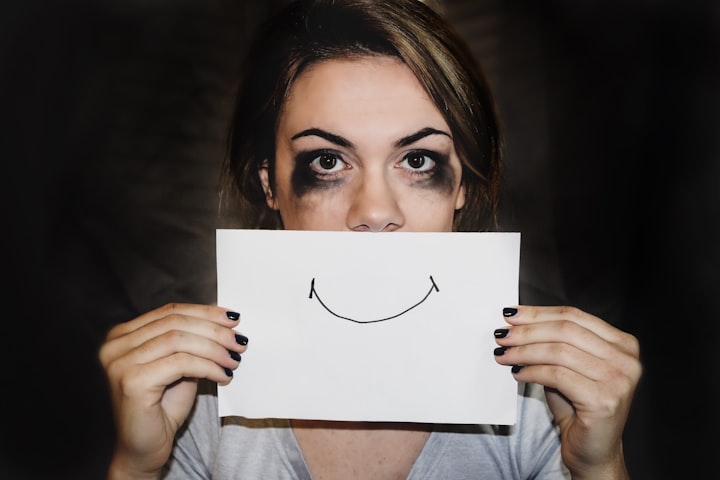
If we were married to positive thinking, we’re blind to those insights entirely. We would deny ourselves the experience of it, and breeze past an opportunity for personal growth. This is how the cult of positivity holds us back — by pushing dismissing unpleasant emotions that contain are fundamentals of self-awareness, introspection, and growth.
We have to feel every emotion, “Whether we like it or not"
We don’t need to live for those emotions. We don’t even need to act on them. In fact, we simply acknowledge them just long enough to learn what we have to learn, and then choose to move forward with positivity. But we have to accept that these feelings are necessary.
When we don’t, we tear pieces of our emotional lives off from ourselves, which is a perfect recipe for mental health issues — another negative experience the cult of positivity tries to avoid. As a result, we miss the chance to study those pieces and use them to grow. That’s why choosing which emotions we feel never really works, it actually holds us back in the long run.
Action over positivity.
As we’ve seen, positivity provides a major advantage. It can reveal new doors, create unexpected solutions, and give you the desire to keep going.
But without taking action — without putting optimism into motion — positivity only gets us so far. In some cases, too much positivity can become irritation, willful delusion, or pollyannaish naiveté.
When we implement positivity into a specific goal or task we do more than just think that life will turn out the way we want. We inadvertently honor that belief by actively pursuing life. Positivity then incorporates that goal or task, giving it new meaning, intention, and efficacy.
About the Creator
Edward Fay
For the last eight years, I've been an entrepreneur in financial services while pursuing my passion for fitness by competing in bodybuilding competitions
Keep reading
More stories from Edward Fay and writers in Motivation and other communities.
You’re Not Behind in Life — You’re Distracted by Everyone Else’s Timeline
You’re Not Behind in Life — You’re Distracted by Everyone Else’s Timeline if you secretly feel like you’re falling behind while everyone else is racing ahead, this might be the uncomfortable truth you’ve been avoiding.
By Ahmed aldeabella7 days ago in Motivation
5 Habits That Changed My Life in 6 Months
Six months ago, I reached a quiet but important consummation I was staying for provocation rather of erecting discipline. I kept telling myself that one day I would feel ready, confident, and concentrated enough to transfigure my life. But that “one day” no way came. What eventually changed everything was not a big occasion or dramatic advance. It was five simple habits rehearsed constantly.
By Sadaf zameer5 days ago in Motivation
When the Shelter Closes
Across the street from my house, a man slept under a tree, his dog by his side. My first, naive thought: he must be traveling through. But he kept coming back, often sleeping there during the day. Then it hit me—that person might not have a home.
By Bride of Sound6 days ago in Humans



Comments
There are no comments for this story
Be the first to respond and start the conversation.