

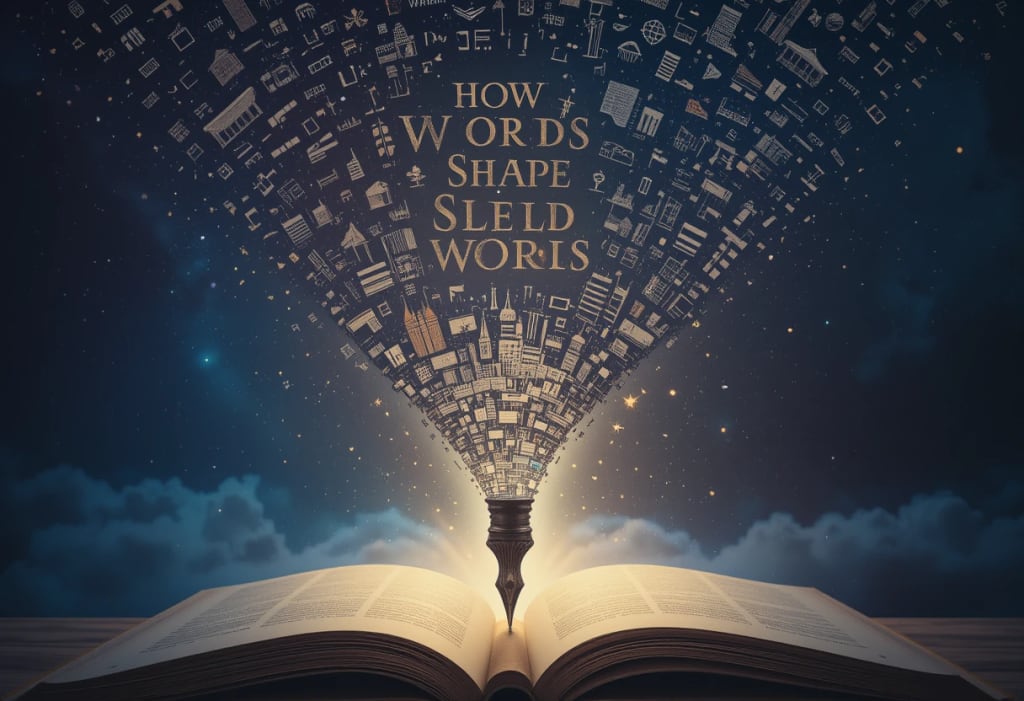
In the corner of a small, sunlit room, an old desk sat by the window. The wood had softened with time, its corners dulled by years of hands resting on them, and the drawers creaked like they carried secrets. Upon it lay scattered papers, a chipped ceramic mug of pens, and a single worn-out journal. It wasn’t just a desk—it was a birthplace of worlds.
For Mira, this place wasn’t just furniture in her home. It was her sanctuary, her battlefield, and her bridge to something far greater than herself. Every morning before the world truly awoke, she would sit there with a cup of tea and begin to write. Not for fame, not even for publication, but for something far more essential: to make sense of the chaos both within and outside her.
She had discovered the power of words as a child. Raised in a home where emotions were swallowed and silence was stitched into every conversation, Mira turned to books for comfort. Between the pages of stories, she found places where people spoke their minds, loved fiercely, and fought for meaning. At some point, reading was not enough. She needed to create her own stories—not just to escape, but to build something from the fragments of her heart.
It started with small things. A poem here, a journal entry there. Then came short stories, little worlds of her own where rules bent and reality softened. Slowly, she learned that writing didn’t only give her a voice—it gave her control over the uncontrollable. In a world filled with uncertainty and unanswered questions, words were her steady ground.
Years passed, but Mira’s relationship with words only deepened. She wasn’t widely published, nor did her name appear in magazines or blogs. But in her notebook lived a universe where she was everything—a creator, a narrator, a witness, and sometimes, even a god.
It wasn’t until she met Adil that she began to see how her words didn’t just shape her own world—they shaped others’ too.
Adil was a literature teacher at a local college, thoughtful, curious, with eyes that lingered a moment longer on things most people overlooked. They met at a community writing group, where Mira had shyly read aloud a short story about a woman who kept jars of sunlight in her kitchen to fight off the shadows in her heart.
After the meeting, Adil came up to her.
“Do you know what you just did?” he asked.
Mira blinked. “Read a story?”
“You made us believe that hope has a shape. That light can be stored. That even sadness is something we can cook dinner with.”
No one had ever put it like that before. And it struck Mira then—words didn’t just express; they created. With each story, she wasn’t just telling something—she was shaping how people saw the world, how they felt it, and sometimes, how they lived within it.
They grew close, bound by long conversations about books, life, and the invisible architecture that language builds around people. Adil believed that every sentence a person speaks adds a brick to their inner landscape. “We live inside the language we speak,” he often said. “Words are not just tools—they’re blueprints.”
Mira’s writing began to evolve. It became more courageous, more open. She wrote about grief without dressing it up, about loneliness without shame, and about joy without apology. She wrote letters to her younger self, short stories that healed old wounds, and poetic fragments that helped others stitch themselves back together.
She started sharing her work more widely—online, at open mics, even in a self-published collection. To her surprise, people began to write back. One message said, “Your words made me call my mother after ten years.” Another wrote, “I kept this line taped to my mirror—thank you for helping me keep going.”
Mira realized something profound: her stories weren’t hers anymore. Once written, they became vessels for others. A sentence she had scribbled during a sleepless night could become someone’s anchor during theirs. Her metaphors became maps; her reflections, revelations.
And just like that, words moved beyond paper and into lives. They shaped decisions, inspired forgiveness, ignited dreams, and softened grief. Words built bridges where silence had stood for years. In small, invisible ways, Mira was no longer just a writer—she was a world-builder.
One rainy evening, Mira and Adil stood at the edge of a quiet park, watching the storm pass. Children splashed in puddles, their laughter high and wild. Mira turned to him and said, “Do you ever think we’re just stories stitched together? That what we remember, what we forget, what we choose to write—it all becomes who we are?”
Adil smiled, pulling his coat tighter. “I think we’re made of the stories we believe in. And the people who write those stories? They shape more than just worlds. They shape people.”
Mira looked out at the children, the wet leaves, the silver puddles reflecting the grey sky—and she understood something. Writing wasn’t about mastering language. It was about giving others permission to see the world differently. Maybe even beautifully. Writing wasn't a skill. It was an act of service.
Years later, long after her first published book made its quiet debut and her name appeared in places she never dreamed of, Mira still returned to her old wooden desk. It had aged with her, still held the smell of ink and memory. She no longer feared blank pages. They were promises. Unwritten worlds, waiting to be born.
And as she penned the first line of her new story, she smiled—not because of the words themselves, but because she knew the truth.
Words aren’t just for telling stories.
They’re for building new worlds—and saving the ones we already live in.
About the Creator
Keep reading
More stories from Taslim Ullah and writers in Motivation and other communities.
Read, think, and develop
In a quiet town nestled between low-rolling hills and the winding bends of a river, there lived a young man named Rayyan. He was like many others in his neighborhood—woke up to the same morning alarms, followed the same narrow road to work, and ended his days with the hum of the same television shows. But unlike many, Rayyan had one habit that quietly set him apart: he read.
By Taslim Ullah10 months ago in Motivation
Alfa Ambir Bagwan: Leading Teams with Technical Expertise and Strategic Vision
In today’s fast-paced professional world, leadership requires a combination of technical understanding, strategic thinking, and the ability to inspire teams to achieve collective goals. Alfa Ambir Bagwan exemplifies this balance, building a career that blends technical expertise with marketing knowledge and strong team leadership.
By Thetribunemedia6 days ago in Motivation
Beyond the Profile: How Influential Women Are Redefining Leadership on Their Own Terms?
Beyond the Profile: How Influential Women Are Redefining Leadership on Their Own Terms The definition of influence is changing. It’s no longer just about a title, a corner office, or a mention in a traditional power list. Today, Influential Women are shaping industries, redefining success, and building communities on their own terms. They are founders, executives, and thought leaders who understand that true leadership isn’t about being covered—it’s about having the authority to share their own narrative.
By influentialwomenmagazine3 days ago in Motivation


Comments
There are no comments for this story
Be the first to respond and start the conversation.