
"The Power"
How Power Shapes Lives, Leadership, and Society
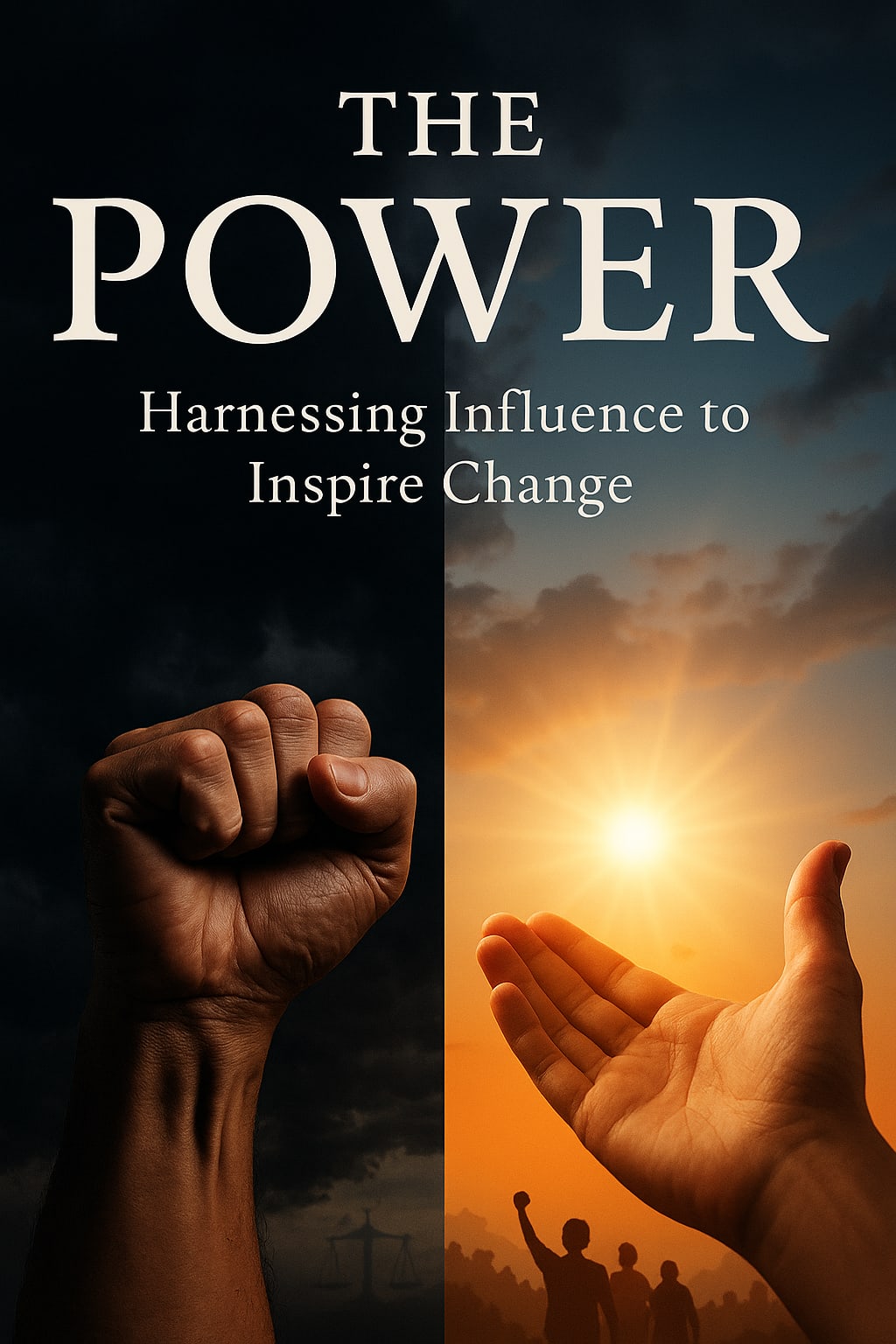
Power is one of the most influential and often misunderstood forces in human life. It can inspire nations, drive change, corrupt leaders, or uplift communities. Power is not inherently good or evil; its value lies in how it is used. Whether in politics, personal relationships, business, or society at large, power shapes decisions, behaviors, and outcomes. Understanding the nature of power is essential for navigating the modern world.
At its core, power is the ability to influence others and effect change. It can come in many forms: physical strength, wealth, knowledge, authority, or even emotional influence. Some people gain power through position or title—presidents, CEOs, or religious leaders—while others wield power through charisma, expertise, or control over resources. Often, power is not about control but about the capacity to lead, guide, and inspire.
History provides countless examples of how power has been used to change the world, for better or worse. Great leaders like Mahatma Gandhi and Martin Luther King Jr. used nonviolent resistance to challenge injustice and promote civil rights. Their power came not from weapons or wealth but from moral conviction, collective support, and unwavering dedication to a cause. In contrast, dictators such as Adolf Hitler and Joseph Stalin used power to instill fear, suppress opposition, and pursue devastating agendas. These contrasting examples show that power can either elevate humanity or bring about suffering, depending on the intentions and actions of those who wield it.
In everyday life, power dynamics affect relationships and social structures. In families, schools, workplaces, and communities, people often experience different levels of influence and control. A teacher holds power over students, a manager over employees, and parents over children. However, with power comes responsibility. The misuse of power in these settings—through manipulation, abuse, or favoritism—can lead to mistrust, resentment, and long-lasting harm. Conversely, when power is used with integrity, empathy, and fairness, it fosters respect, growth, and cooperation.
The modern digital age has also transformed how power is perceived and exercised. Social media platforms, for example, have given rise to a new form of influence: the power of visibility and reach. An individual with a large online following can shape opinions, spark movements, or promote products across the globe. This democratization of power means that almost anyone with a compelling voice and message can gain influence. Yet it also brings challenges, such as misinformation, cancel culture, and the concentration of power in the hands of tech giants.
Power is not static. It shifts and evolves with circumstances, alliances, and actions. People can gain or lose power based on their decisions, their behavior, and how others perceive them. This fluidity means that power must be constantly earned and reaffirmed, not assumed or imposed. True power does not come from domination but from trust, respect, and credibility.
An important distinction exists between power over and power with. “Power over” implies control and hierarchy—often leading to resistance and rebellion. “Power with,” on the other hand, emphasizes collaboration and shared strength. Empowering others does not reduce one’s own power; instead, it multiplies it. This perspective encourages leaders to build inclusive environments where everyone’s voice matters and contributions are valued.
Ultimately, the question is not whether power is good or bad, but how it is used. The power to heal, to forgive, to unite, to create, and to lead with compassion can transform the world in profound ways. When individuals understand the impact of their actions and the influence they hold, they become more conscious stewards of their own power.
In conclusion, power is a force that exists everywhere—in people, systems, and ideas. It can liberate or oppress, create or destroy. The challenge for each of us is to recognize the power we have and choose to wield it wisely. Only then can power fulfill its highest purpose: not to dominate, but to uplift, connect, and inspire lasting positive change.
About the Creator
Keep reading
More stories from Saadkhan and writers in Motivation and other communities.
"The Struggle of a Brother for His Sister"
Brotherhood is often seen as a sacred bond — a connection forged by blood, strengthened through shared experiences, and tested by time. On the surface, it may seem like a constant source of support and companionship, but in reality, the relationship between brothers is layered, complex, and often marked by silent struggles that go unnoticed by the world.
By Saadkhan10 months ago in Motivation
How to Stay Motivated to Learn New Skills and Transform Your Life Fast
Learning new skills is a journey that offers immense rewards, yet many people struggle to maintain motivation throughout the process. Whether it is mastering a language, developing a technical ability, or exploring a creative talent, the initial excitement often fades when challenges arise. Understanding how to cultivate and sustain motivation is essential for turning learning into a consistent, productive habit that leads to long-term success.
By Lukáš Hrdličkaabout 15 hours ago in Motivation
Worth the Wait: Puerto Viejo, Costa Rica
Beach bumming in a small Caribbean beach town sounded like a perfect way to end our 6-month trip through Mexico and Central America. Or so we thought. The foul, fishy stench of rotten seaweed hit our nostrils as we stepped from the cramped bus and looked out at a rather depressing, empty, and underwhelming black sand beach. It was pouring with rain, and we had to quickly fish out our ponchos. We thought, this couldn’t be it, could it?
By Sh*t Happens - Lost Girl Travel6 days ago in Wander




Comments
There are no comments for this story
Be the first to respond and start the conversation.