
The Great Resignation: Why Employees Are Quitting Their Jobs in Droves
The global pandemic led to the rise of remote work, but now employees are quitting their jobs in record numbers. Find out why and what this means for the future of work.
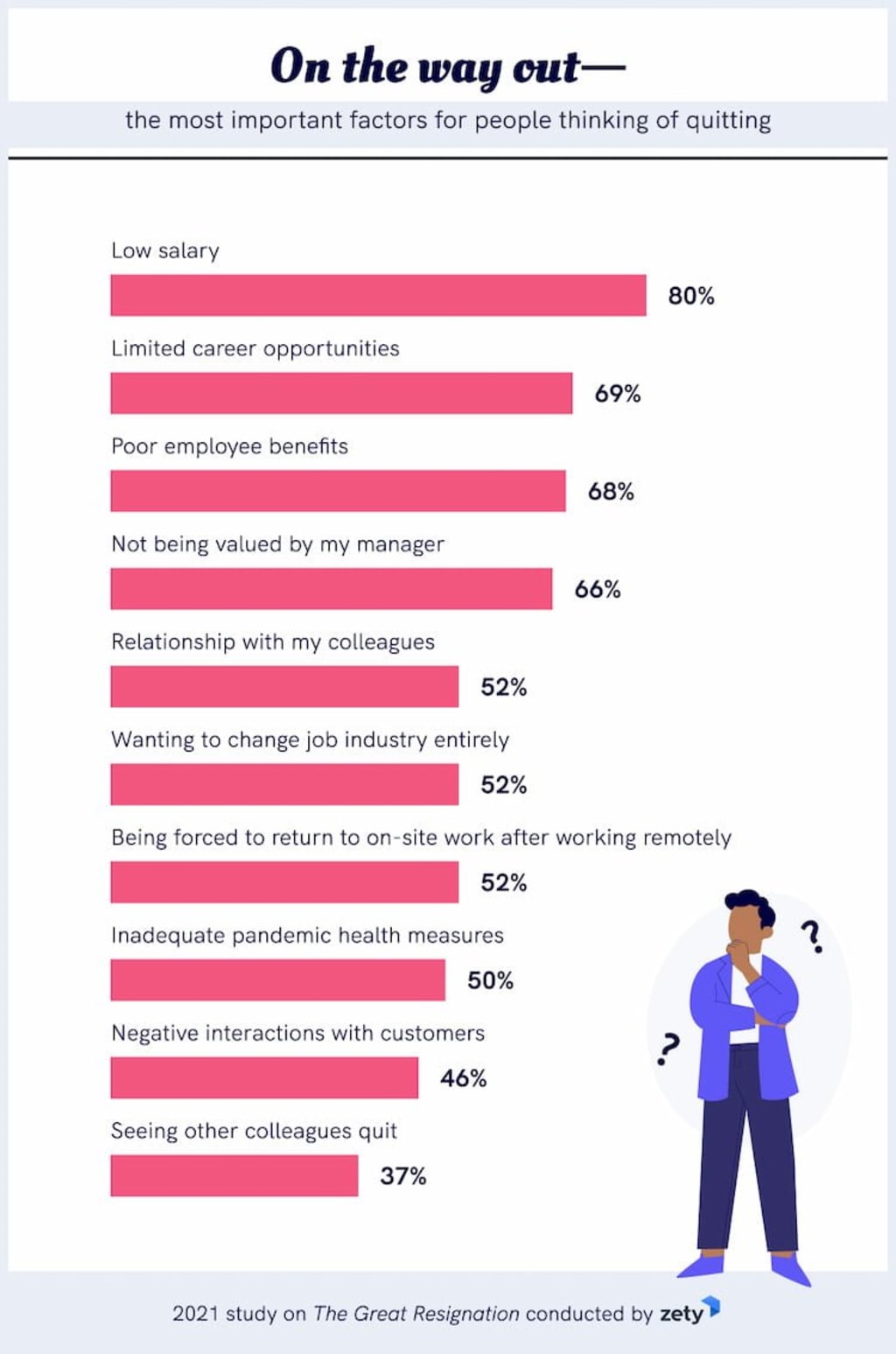
The global pandemic has led to unprecedented changes in the way we work, with many employees transitioning to remote work and adapting to new ways of collaborating and communicating with their colleagues. As the world begins to recover from the pandemic, a new trend has emerged: the Great Resignation. In this article, we'll explore why employees are quitting their jobs in record numbers and what this means for the future of work.What is the Great Resignation?
The Great Resignation refers to the trend of employees quitting their jobs in large numbers. According to a recent survey by Microsoft, 41% of employees are considering leaving their current job this year. Some experts believe that this trend is due to the pandemic, as employees reevaluate their priorities and seek more flexibility, better work-life balance, and greater fulfillment in their work.
Why are employees quitting their jobs?
There are several reasons why employees are quitting their jobs in droves. One of the main factors is burnout, as many employees have been working longer hours and dealing with increased stress and anxiety during the pandemic. Additionally, employees may be seeking greater flexibility, such as the ability to work from home or adjust their schedules to better fit their personal lives. Some employees may also be looking for new challenges and opportunities for growth and development.
What does this mean for the future of work?
The Great Resignation has significant implications for the future of work. Employers will need to adapt to the changing needs and priorities of their employees, offering more flexibility, better support for mental health and well-being, and opportunities for career growth and development. Additionally, employers may need to reevaluate their recruitment and retention strategies, as competition for top talent increases.
What industries are being affected the most?
While the Great Resignation is impacting industries across the board, some are being hit harder than others. The hospitality and service industries, for example, have been particularly hard-hit by the pandemic, with many workers facing layoffs, reduced hours, and increased stress and burnout. As a result, many employees in these industries are seeking new opportunities and more stable employment.
On the other hand, some industries are experiencing a shortage of skilled workers, as employees with in-demand skills and experience are more likely to be able to negotiate better pay, benefits, and working conditions. This is particularly true in fields like technology and healthcare, where the demand for skilled workers has been increasing even before the pandemic.
What can employers do to address the Great Resignation?
To address the Great Resignation, employers need to be proactive in understanding the changing needs and priorities of their employees. This may involve offering more flexible work arrangements, providing better support for mental health and well-being, and creating opportunities for career growth and development. Employers can also invest in training and upskilling programs to help employees develop new skills and stay competitive in the job market.
In addition, employers need to be transparent and communicative with their employees, providing regular feedback and updates on company goals and plans. This can help build trust and a sense of shared purpose, which can be crucial for retaining top talent.
- Conclusion:
- The Great Resignation is a complex phenomenon with far-reaching implications for the future of work. As employees continue to seek greater flexibility, better work-life balance, and more fulfilling careers, employers must adapt to these changing priorities if they want to remain competitive and retain top talent. By investing in their employees and creating a supportive and inclusive work environment, employers can help ensure that the Great Resignation doesn't become a Great Crisis.
About the Creator
Keep reading
More stories from writers in Motivation and other communities.
History of The Three Stooges (Part I: The Beginnings and Columbia Pictures - 1920s-1936)
I have been itching to write about The Three Stooges on Vocal for close to two years, but I couldn't figure out how to do it. I wanted to do it by third Stooge, but that's a bit complicated. I know this much. I was about eight or nine years old when I first saw The Three Stooges. I remember one of my local channels had the Stooges on for hours, and I tried my damnedest to be up for those shorts. I remember that the Family Channel actually had an hour of the Stooges on from 11PM to midnight, and it was the entire library on during that time.
By Clyde E. Dawkins4 days ago in Geeks




Comments
There are no comments for this story
Be the first to respond and start the conversation.