
The Future of Remote Work: What You Should Know
How Work Is Evolving — And What You Need to Do to Stay Ahead
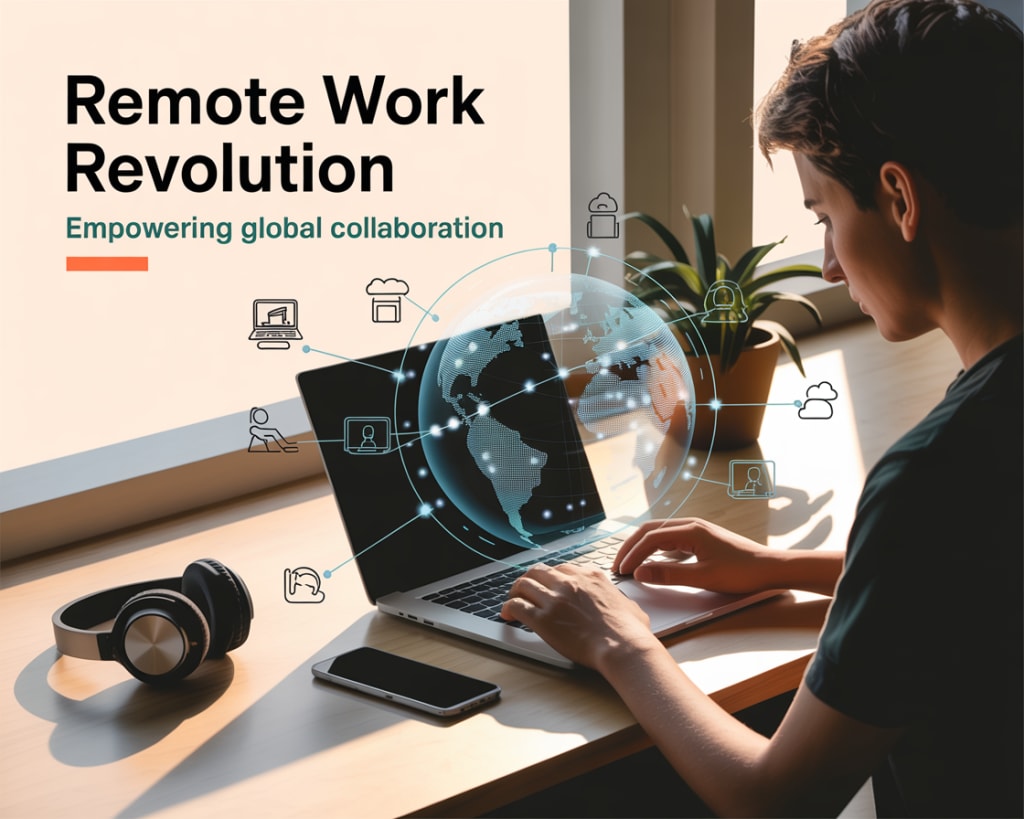
When I landed my first remote job, it felt like a dream come true. No daily commute, flexible hours, and the freedom to work from anywhere. But over time, I realized remote work was far more complex than simply logging in from my couch. As I watched the landscape evolve, I understood that the future of remote work is shaping how we live, connect, and build careers — and it’s not what many people expect.
If you’re wondering what remote work really means going forward, here’s what you should know.
The Hybrid Revolution: Balance Between Home and Office
Early on, many companies tried either fully remote or fully on-site models. But what we’re seeing now is a clear shift to hybrid work: a blend of remote and in-person collaboration.
In my own experience, hybrid means the best of both worlds. Some days I thrive working quietly from home, free from office distractions. Other days, being physically present in a shared workspace sparks creativity and connection in ways Zoom can’t replicate.
This balance is also proving essential for companies. They’re redesigning offices to be collaboration hubs rather than rows of desks, while investing in technology that supports remote employees equally.
What this means for you:
Expect flexibility, but also the need to be adaptable. You might spend part of your week at home, part in the office, and part working from a café or coworking space. Success will come from mastering productivity regardless of location.
Remote Work Goes Global — Welcome to the Talent Marketplace
One of the most exciting shifts is how remote work breaks down geographic barriers. I’ve worked with teammates across continents, in vastly different time zones and cultures. This global workforce brings diversity and fresh perspectives but also requires new skills.
Companies are increasingly recruiting worldwide, leveraging platforms that help with legal, payroll, and compliance challenges of cross-border employment. For workers, this opens doors to opportunities they never imagined.
But it also means competition is global. To stand out, you’ll need to continually upgrade your skills and demonstrate adaptability.
Technology: Beyond Zoom and Slack
The tools we use today are evolving fast. Sure, video conferencing and messaging apps remain staples. But the future is about seamless integration, artificial intelligence, and immersive collaboration.
Imagine meetings where AI provides real-time summaries and action points, or virtual reality spaces where teams brainstorm around a shared 3D model regardless of location.
I’ve started experimenting with some AI tools that automatically transcribe meetings and assign tasks. It’s a game-changer for staying organized and ensuring follow-through.
Culture and Connection Need More Attention Than Ever
One of the biggest challenges of remote work is building and maintaining company culture. When you’re not sharing physical space, it’s easy to feel isolated or disconnected.
Early in my remote career, I experienced burnout and loneliness. It wasn’t until my team started regular check-ins, virtual social hours, and transparent communication that I felt truly part of something.
The future will demand even more intentional culture-building. Leaders must create environments where employees feel seen, heard, and valued—even through a screen.
Mental Health and Boundaries: The New Essentials
Remote work blurs the line between professional and personal life. Without a commute or office hours, the workday can stretch endlessly.
I learned the hard way how critical it is to set boundaries — turning off notifications after hours, creating a dedicated workspace, and prioritizing self-care.
Companies are recognizing this too, offering mental health resources, encouraging breaks, and adopting “right to disconnect” policies.
If you want to thrive long-term, prioritizing mental well-being isn’t optional; it’s essential.
The Future Is Skill-Focused and Flexible
Degrees and formal credentials are still valuable, but increasingly, employers prioritize skills and results over traditional qualifications.
I’ve seen companies hire based on portfolios, freelance projects, and even social media presence. Demonstrating self-motivation, communication skills, and adaptability is often more important than a perfect resume.
Continuous learning is critical. Whether it’s mastering new software, improving communication, or developing emotional intelligence, investing in yourself is the best way to stay competitive in this evolving market.
Legal and Logistical Landscape Will Shift
Remote work is disrupting traditional employment laws and tax systems. Countries are still catching up on how to handle taxation, benefits, and labor rights for employees who work from different regions.
This will create new challenges and opportunities for both employers and workers. Staying informed about legal requirements, contracts, and compliance will be crucial.
Final Thoughts: Embrace Change and Take Control
Remote work isn’t just a trend — it’s a fundamental shift in how we think about work, productivity, and life balance.
For individuals, the future holds exciting opportunities but also demands responsibility. You’ll need to be adaptable, tech-savvy, proactive about mental health, and committed to lifelong learning.
For businesses, the challenge is to build cultures that engage distributed teams and to invest in technology and policies that support flexible, inclusive work environments.
If you can embrace this change, you’re not just prepared for the future — you’re part of shaping it.
About the Creator
Keep reading
More stories from Ikram Ullah and writers in Motivation and other communities.
5 Marketing Mistakes New Entrepreneurs Make
Avoid These Common Traps and Set Your Business Up for Success When I started my first business, I thought marketing was simple: make a product, post about it on Instagram, and watch the sales roll in. Spoiler alert: they didn’t.
By Ikram Ullah10 months ago in Motivation
The Boy Who Refused to Stay Small
He was not born into comfort. There were no silver spoons, no luxury cars waiting outside his house, no powerful relatives ready to open doors for him. He was just an ordinary boy from a middle-class family, raised in a small home filled with big dreams and limited resources.
By Yasir Rehman5 days ago in Motivation



Comments
There are no comments for this story
Be the first to respond and start the conversation.