
The Best Approach For Choosing A Balanced And Nutritious Diet
Top body builders like to say "you are what you eat".
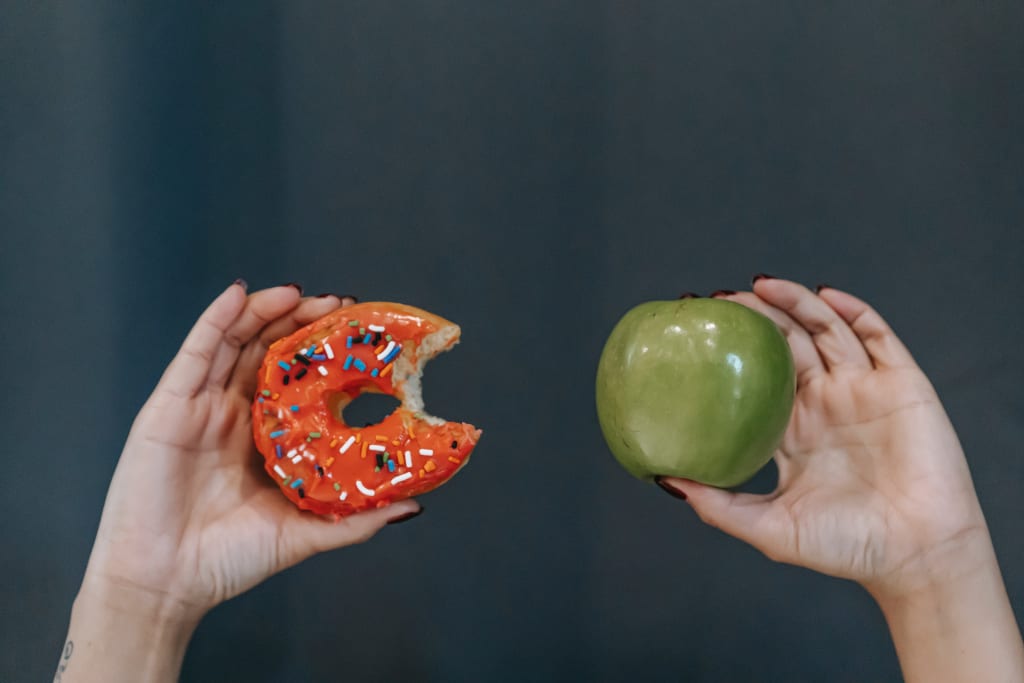
Eating a healthy and balanced diet is important for maintaining overall physical and mental well-being. It can help you feel your best, have more energy, and even improve your mood. But with so many different dietary recommendations and fad diets out there, it can be overwhelming to know where to start.
Here are some tips for choosing a balanced and nutritious diet:
Focus on whole, unprocessed foods. These include fruits, vegetables, whole grains, nuts, seeds, and lean proteins. These foods are packed with nutrients and tend to be lower in calories and unhealthy additives. Try to incorporate a variety of these foods into your meals and snacks.
Limit processed and packaged foods. These foods are often high in added sugars, unhealthy fats, and empty calories. They can also be lacking in important nutrients. While it's okay to enjoy these foods occasionally, they should not make up the majority of your diet.
Choose healthy fats. Not all fats are created equal. Healthy fats, such as those found in avocados, nuts, and olive oil, can help improve heart health and reduce inflammation. On the other hand, unhealthy fats, such as those found in fried foods and processed snack foods, can increase the risk of heart disease and other health problems.
Pay attention to portion sizes. It's important to pay attention to how much you are eating, as well as what you are eating. Eating too much of any food, even healthy ones, can lead to weight gain. Use measuring cups and food scales to help you determine appropriate portion sizes.
Overeating, or consuming more calories than your body needs, can lead to weight gain and other health problems. On the other hand, eating too little can also be detrimental to your health, as it can lead to nutrient deficiencies.
There are a few different ways to determine appropriate portion sizes:
Use measuring cups and food scales: These tools can help you accurately measure the amount of food you are consuming. For example, a serving of rice is typically ½ cup, while a serving of chicken is usually around 3 ounces.
Follow the serving sizes on food labels: Most packaged foods come with a nutrition label that includes serving size information. This can give you an idea of how much of a particular food is considered a serving.
Use visual cues: You can also use your hands and other objects as a reference for portion sizes. For example, a serving of meat is about the size of a deck of cards, while a serving of cheese is about the size of your thumb.
Be mindful of restaurant portions: Restaurant portions are often larger than what is considered a healthy serving size. Consider sharing a dish with a friend or take half of your meal home for leftovers.
It's important to remember that portion sizes may vary depending on your age, gender, weight, and activity level. It's a good idea to consult with a healthcare professional or registered dietitian to determine appropriate portion sizes for your specific needs.
Drink plenty of water. Water is essential for maintaining good health and proper bodily function. It can help keep you hydrated, flush out toxins, and even aid in weight loss. Aim to drink at least 8 cups of water per day.
Don't forget about nutrients. In addition to macronutrients like carbohydrates, protein, and fat, it's important to get a variety of micronutrients from your diet. These include vitamins and minerals that are necessary for optimal health. Make sure to eat a variety of different foods to ensure you are getting a wide range of nutrients.
Be mindful of any dietary restrictions or allergies. If you have food allergies or intolerances, it's important to be mindful of these when choosing your diet. There may be certain foods that you need to avoid or limit. It's also important to consult with a healthcare professional if you have any specific dietary needs or concerns.
Eating a balanced and nutritious diet can help you feel your best and support overall health. While it may take some effort and planning, it's worth it in the long run. By focusing on whole, unprocessed foods, limiting processed and packaged foods, choosing healthy fats, paying attention to portion sizes, drinking plenty of water, and getting a variety of nutrients, you can create a diet that works for you.
About the Creator
Keep reading
More stories from Katlego Mokgwabone and writers in Motivation and other communities.
The 7-Step Formula To Set Your Weight Loss Goals
Setting weight loss goals and creating a plan to achieve them can be a daunting task, but it is an important step toward improving your overall health and well-being. By setting specific and achievable goals, you can stay motivated and on track toward reaching your desired weight. Here are some tips to help you set weight loss goals and create a plan to achieve them:
By Katlego Mokgwabone3 years ago in Motivation
One Hard Thing
Stop me if you’ve heard this one before: You have the number, you know your schedule- you’ve even picked out the perfect day and time to make this appointment. Shoot, you’ve even picked out alternative days and times just in case their schedules can’t accommodate you!
By Taylor Rigsby4 days ago in Motivation
Teachers Aren't Babysitters
This has been on my mind for a while. I had so many feelings if I should place my opinion on this or not. I still have those feelings ,but then again I'm like why not say it. Here goes nothing. I feel like parents needs to stop treating teachers like they are baby sitters ( That's also including the supporting teams as well .) I am going to explain because it's very vital for it to not be miscrewed in talking about this touchy subject. Here are my facts about it.
By Erica Williams6 days ago in Motivation



Comments
There are no comments for this story
Be the first to respond and start the conversation.