
The Afghan Taliban: From Insurgency to Power
A Historical Journey, Current Role, and Future Prospects

Introduction:
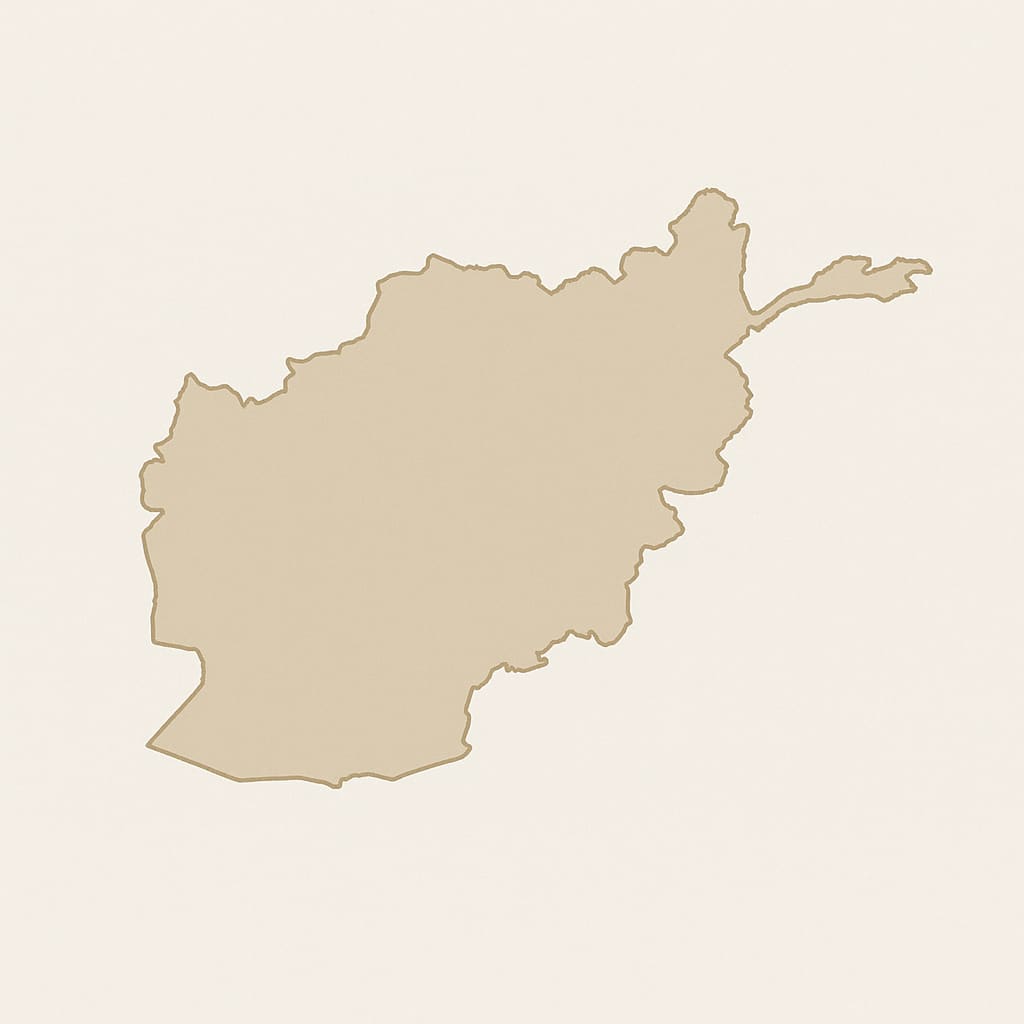
The Afghan Taliban are no longer just a militant group hidden in the rugged mountains of Afghanistan. Over the past three decades, they have transformed from a small religious movement into a dominant political force that has shaped the future of an entire nation. Their rise, fall, and resurgence is not just a story of war, but also one of ideology, resistance, and the complex geopolitics of South and Central Asia. This article delves into the origins, rise to power, governance style, international response, and the challenges that lie ahead for the Taliban.
---
Origins of the Taliban:
The Taliban emerged in 1994, during the chaotic aftermath of the Soviet-Afghan War (1979–1989). Afghanistan had descended into civil war, with various warlords fighting for control. In this lawless and fractured landscape, the Taliban — mostly religious students (Talibs) from Deobandi madrassas in Pakistan — rose with a promise to restore order through strict Islamic law.
Their movement was led by Mullah Mohammad Omar, a former Mujahideen fighter who lost an eye in the war against the Soviets. With the goal of establishing an Islamic Emirate governed by Sharia law, the Taliban quickly gained support, particularly in the southern provinces, by eliminating corrupt warlords and restoring a harsh but predictable order.
---
First Rule (1996–2001):
In 1996, the Taliban captured Kabul and declared the Islamic Emirate of Afghanistan. They controlled nearly 90% of the country by 2001. Their governance was defined by extreme interpretations of Islamic law. Women were banned from education and work, public executions were held in stadiums, men were required to grow beards, and music and television were outlawed.
While some Afghans appreciated the end of chaos and the enforcement of order, many others — especially women and ethnic minorities — suffered under their rule. The Taliban’s alliance with Al-Qaeda, and their harboring of Osama bin Laden, eventually led to their downfall.
---
Fall after 9/11:
The terrorist attacks of September 11, 2001, orchestrated by Al-Qaeda from Afghan soil, marked a turning point. The U.S. launched Operation Enduring Freedom in October 2001, swiftly toppling the Taliban regime with the help of Northern Alliance forces.
The Taliban leadership fled to rural areas and across the border to Pakistan. In their place, a Western-backed government was installed in Kabul, led first by Hamid Karzai. However, the roots of conflict remained unresolved. Corruption plagued the new government, warlords returned to power, and the rural population — especially in the Pashtun belt — remained disillusioned.
---
The Insurgency Years (2002–2021):
The Taliban did not vanish; they evolved. Over the next two decades, they waged a persistent insurgency against U.S., NATO, and Afghan government forces. They used classic guerrilla tactics — ambushes, IEDs, targeted assassinations — and gradually regained influence in rural provinces.
By 2015, the Taliban were active in nearly every province. Despite massive foreign aid and a modern Afghan army, the government in Kabul struggled to maintain control beyond major cities. The Taliban presented themselves as a nationalist movement resisting foreign occupation, which helped them gain support even among younger generations born after 2001.
---
The Doha Agreement and U.S. Withdrawal:
In 2020, after years of negotiations, the U.S. signed the Doha Agreement with the Taliban. The deal included a timetable for American troop withdrawal and Taliban promises to prevent terrorism and negotiate with the Afghan government.
Critics warned that the agreement excluded the Afghan government and gave too many concessions to the Taliban without guarantees. Nevertheless, by mid-2021, the U.S. and NATO began pulling out. As they left, the Taliban launched a rapid military offensive, capturing province after province with little resistance.
---
Return to Power (2021 – Present):
In August 2021, the Taliban entered Kabul without a fight. The Afghan government collapsed, President Ashraf Ghani fled, and the world watched as the Taliban regained power nearly two decades after being ousted.
They re-declared the Islamic Emirate of Afghanistan, promising a more “inclusive” and “moderate” rule. However, their actions told a different story. Girls' secondary schools were closed in most provinces. Women were restricted from work and travel without a male guardian. Journalists faced harassment, and protests were suppressed.
Despite the Taliban’s attempts to present a reformed image, many Afghans feared a return to the draconian days of the 1990s.
---
International Response:
The global reaction to the Taliban’s return was cautious. Most countries have not formally recognized their government. Billions of dollars in Afghan assets were frozen. Humanitarian aid continued but was channeled through NGOs and UN agencies, not the Taliban-controlled state.
China, Russia, Pakistan, Iran, and Qatar maintained contact with Taliban leaders, pursuing their own strategic interests. The West, especially the U.S. and European nations, pressed the Taliban to form an inclusive government, respect human rights, and break ties with terrorist groups — but with little success so far.
---
Challenges Facing the Taliban:
While the Taliban are now in control, governance presents an entirely different challenge from insurgency. Key issues include:
1. Economic Crisis:
Afghanistan's economy has collapsed due to sanctions, frozen assets, and loss of foreign aid, which once made up 75% of the national budget.
2. Lack of Recognition:
Without international recognition, Afghanistan remains diplomatically isolated, hindering trade, investment, and development.
3. Terrorism and Extremism:
The Taliban face threats from rival groups like ISIS-K, which continues to carry out deadly attacks.
4. Internal Divisions:
The Taliban are not monolithic. Factions from different regions and ideological backgrounds often disagree on strategy and governance.
5. Human Rights Pressure:
Global watchdogs and Afghan civil society continue to push for women’s rights, freedom of speech, and basic liberties.
---
The Road Ahead:
The Taliban stand at a critical crossroads. Their ability to evolve from a militant group into a legitimate governing authority will determine Afghanistan’s future. They can choose continued isolation and repression — which may invite future rebellions and instability — or they can reform, engage with the international community, and address the needs of all Afghans.
Afghanistan remains a land of potential — rich in culture, minerals, and resilience. But without inclusive politics, respect for rights, and economic revival, the nation may once again descend into crisis.
---
Conclusion:
The story of the Afghan Taliban is one of persistence, ideology, and power. From dusty madrassas to the presidential palace in Kabul, their journey reflects the deep fault lines in Afghan society and the failures of international intervention. Yet, the final chapter is still unwritten. Whether the Taliban lead Afghanistan into peace or plunge it back into darkness depends on the choices they make — and whether they can truly listen to the voices of their own people.
About the Creator
Keep reading
More stories from Helene and writers in Motivation and other communities.
The Road Between the Bells
In a small town tucked between rolling hills and a slow silver river, the church bells rang every morning at six. For most people, the bells meant the start of work, school, or another ordinary day. For Tomas, they meant something else: another chance.
By Iazaz hussain3 days ago in Motivation



Comments
There are no comments for this story
Be the first to respond and start the conversation.