
Mastering Power: 48 Laws That Will Change How You Navigate the World
Unlock the Secrets of Influence, Strategy, and Control. Before Someone Else Uses Them Against You

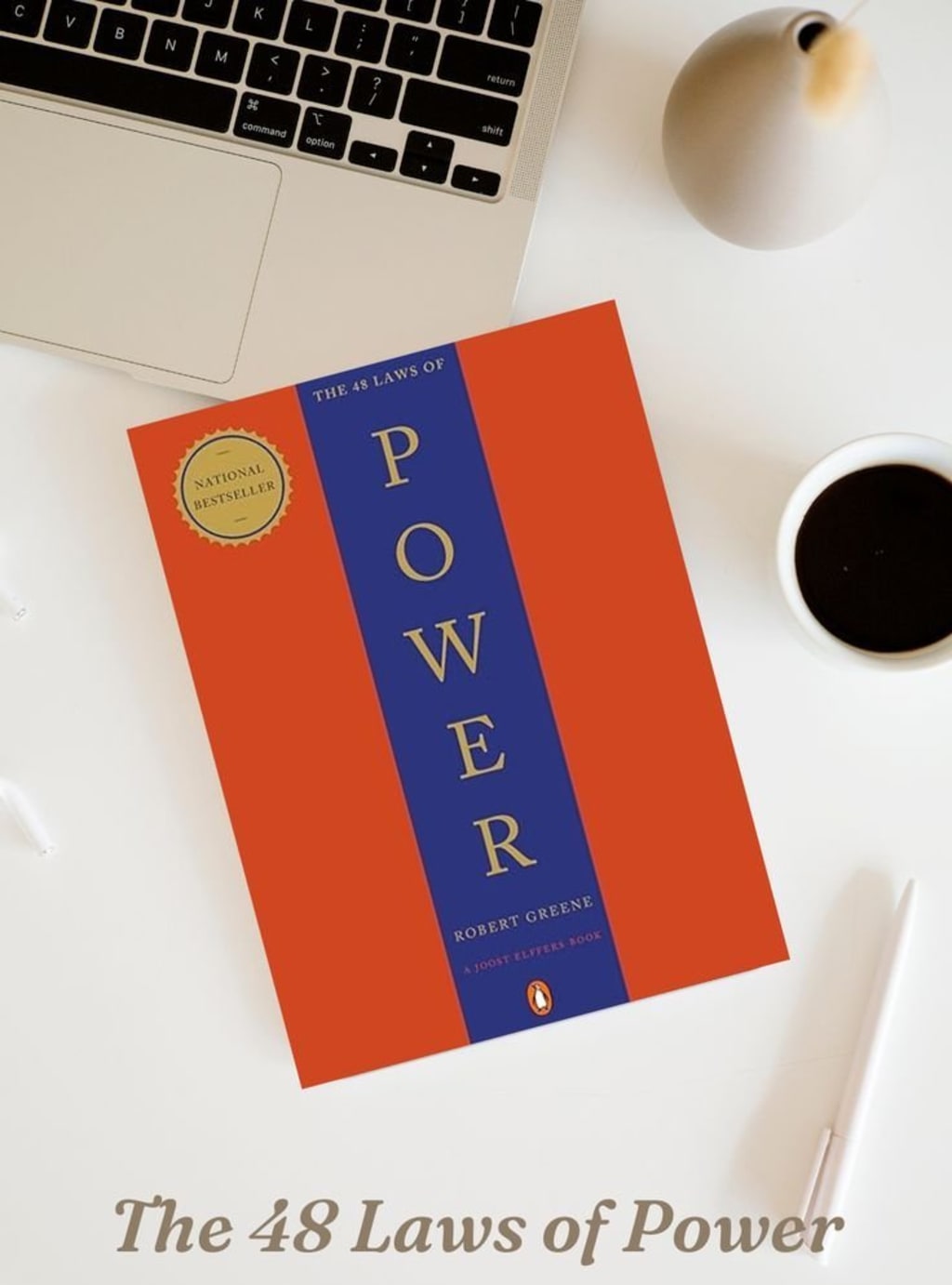
Power isn’t just for politicians, CEOs, or historical conquerors—it plays a crucial role in our everyday lives. Whether navigating office politics, negotiating business deals, or simply building stronger relationships, understanding power dynamics can set you apart. Robert Greene’s The 48 Laws of Power distills centuries of political and strategic wisdom into a guide that reveals how power operates in various contexts. This article explores key laws and how they can be applied strategically in real life.
Understanding power is not about manipulating others but about positioning oneself wisely. It requires awareness of human nature, social structures, and strategic foresight. Power dynamics influence everything from career advancements to social interactions. Mastering these dynamics allows individuals to avoid pitfalls, navigate conflicts, and seize opportunities that would otherwise be missed.
Understanding Power Dynamics
Power is present in every human interaction. Some wield it openly, others subtly. Recognizing these dynamics allows you to position yourself advantageously, avoid pitfalls, and achieve your goals more effectively. Greene’s laws serve as a strategic manual, helping individuals recognize, acquire, and maintain power.
Power exists in various forms: coercive power, referent power, expert power, and more. Some people exert influence through knowledge and competence, while others do so through status and authority. The ability to read situations and adapt strategies accordingly is key to harnessing power effectively.
Key Laws to Apply
- Law 1: Never Outshine the Master
No one likes to be overshadowed, especially those in power. Making superiors feel secure in their position is crucial. Impress them, but never to the point where they feel threatened. Instead, make them believe they shine because of you. This law teaches the importance of humility and strategic positioning. If you outshine someone too soon, you may create unnecessary enemies who feel undermined by your competence. Instead, make those in higher positions feel indispensable, and they will reward you with trust and opportunities.
- Law 3: Conceal Your Intentions
Transparency isn’t always the best policy. Revealing too much about your goals or plans allows others to anticipate and counter your moves. Keep people guessing—mystery creates intrigue and prevents opposition. Those who speak too freely about their ambitions risk being sabotaged or outmaneuvered. By maintaining an element of surprise, you ensure that your plans unfold on your terms, without interference from competitors or rivals.
- Law 15: Crush Your Enemy Totally
Half-measures breed future threats. If you allow an adversary to survive, they may regroup and retaliate. When faced with opposition, ensure it is dealt with completely so that it cannot resurface later. This does not mean resorting to unethical practices, but rather ensuring that lingering threats do not compromise your position. Allowing enemies to linger in the background only invites future conflicts. A decisive approach eliminates uncertainty and strengthens long-term security.
Applying These Laws in Daily Life
- In Leadership and Business
Mastering power dynamics makes leaders more effective. Understanding when to assert authority, when to step back, and how to manage perceptions can determine success. Subtle influence often outperforms overt dominance. Great leaders recognize the importance of timing, discretion, and strategy. They build coalitions, cultivate loyalty, and control narratives to maintain stability and achieve their objectives.
- In Social Relationships
Whether in friendships or workplace interactions, power plays a role. Being aware of how people perceive you and strategically managing relationships can lead to stronger alliances and reduced conflicts. Social power involves recognizing subtle cues, understanding emotional intelligence, and leveraging reciprocity. Maintaining a balance between assertiveness and diplomacy ensures that relationships remain healthy and productive.
- In Personal Growth
Strategic thinking doesn’t mean manipulation—it means awareness. Recognizing power structures can help individuals navigate challenges, set goals wisely, and cultivate resilience in competitive environments. Learning to assess situations objectively, anticipate outcomes, and refine decision-making skills is essential for personal advancement. Those who understand power can better handle criticism, overcome obstacles, and create paths to success.
Ethical Considerations
While The 48 Laws of Power offers practical strategies, they must be applied with caution. Manipulation for selfish gain can backfire. Ethical power lies in understanding influence without exploiting others. Used wisely, these laws can enhance leadership, decision-making, and overall success. Ethics and power are not mutually exclusive—one can be strategic while still maintaining integrity. By approaching power with responsibility, individuals can foster trust, build lasting relationships, and maintain long-term influence.
Power is neither good nor bad—it’s a tool. Mastering it requires intelligence, strategy, and a deep understanding of human behavior. By applying these principles thoughtfully, individuals can enhance their ability to lead, influence, and succeed in any arena. Developing power requires patience, adaptability, and continuous learning. Those who refine their understanding of influence will not only achieve personal success but also contribute positively to their communities and professional networks.
About the Creator
Gilang HI
Passionate in all that I do.
Keep reading
More stories from Gilang HI and writers in Motivation and other communities.
The Way of the Superior Man: Mastering Purpose, Presence, and Polarity
What does it mean to be a superior man? Is it about success, power, or dominance? Not quite. According to The Way of the Superior Man by David Deida, a truly superior man is one who lives in alignment with his deepest purpose, remains unshaken in the face of life’s tests, and understands the dance of masculine and feminine energy in relationships. He does not suppress his desires or emotions—he channels them into conscious action.
By Gilang HI12 months ago in Motivation
One Hard Thing
Stop me if you’ve heard this one before: You have the number, you know your schedule- you’ve even picked out the perfect day and time to make this appointment. Shoot, you’ve even picked out alternative days and times just in case their schedules can’t accommodate you!
By Taylor Rigsby4 days ago in Motivation
From Silence to Strength: How Failure Taught Me the Meaning of Success
I thought it was something you announced to the world — with expensive clothes, big houses, and constant proof that you were winning. In my mind, successful people were always smiling, always confident, and always moving forward.
By Iazaz hussain5 days ago in Motivation




Comments (1)
Power is a tool—wield it wisely, balance strategy with integrity, and success will follow.