
Leadership Principles
Decision-Making and Problem-Solving

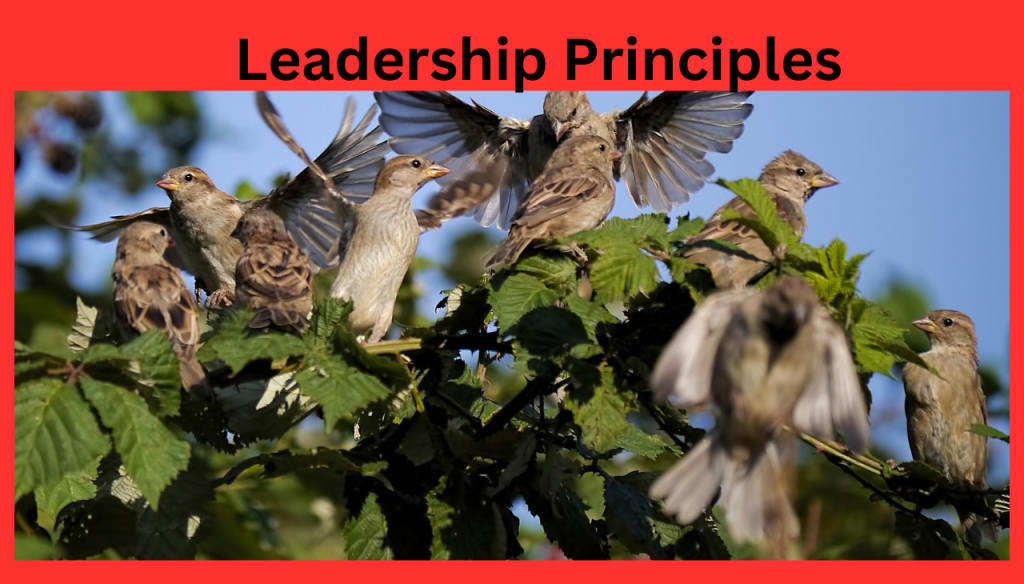
Leadership Principles
Leadership is an essential quality that influences people, teams, and organizations. Strong leadership is built on a set of principles that guide decision-making and inspire others. Effective leaders are not just born; they develop their skills and characteristics over time. Below are some key leadership principles that every leader should follow.
### **1. Lead by Example**
A great leader does not just give orders; they set an example through their actions. Employees or team members observe how a leader behaves, and they often follow the same approach. If a leader is hardworking, honest, and punctual, their team is more likely to adopt these values.
### **2. Clear Vision**
A leader must have a clear vision for the future. They should know where they want to take their team or organization. A strong vision gives direction and helps in setting goals. When a leader communicates their vision effectively, it motivates and aligns the efforts of everyone involved.
### **3. Effective Communication**
Good leaders are also great communicators. They listen actively and express their thoughts clearly. Communication is not just about speaking; it is also about understanding the concerns and ideas of others. A leader who listens to their team creates trust and respect.
### **4. Decision-Making Skills**
Leaders often need to make tough decisions. A good leader gathers all necessary information, analyzes the situation, and makes informed choices. They should be confident in their decisions and take responsibility for them. Indecisiveness can create confusion and weaken trust.
### **5. Confidence and Courage**
A leader must be confident in their abilities and the decisions they make. Confidence helps inspire others and creates a sense of security. Courage is also essential because leadership often involves taking risks and facing challenges.
### **6. Integrity and Honesty**
Honesty is the foundation of trust. A leader who acts with integrity earns the respect of their team. People follow those they can trust. If a leader is dishonest or unethical, it can damage their credibility and the organization’s reputation.
### **7. Accountability**
A responsible leader takes ownership of their actions and decisions. They do not blame others for mistakes but learn from them. Holding oneself and others accountable ensures discipline and continuous improvement.
### **8. Ability to Inspire and Motivate**
One of the most powerful qualities of a leader is the ability to inspire others. A great leader motivates their team through encouragement, recognition, and appreciation. People perform better when they feel valued and supported.
### **9. Adaptability and Flexibility**
The world is constantly changing, and leaders must be able to adapt. Whether it is new technology, market changes, or unexpected challenges, an effective leader adjusts their strategies accordingly. Flexibility helps in finding solutions and overcoming obstacles.
### **10. Emotional Intelligence**
A good leader understands not only their own emotions but also the emotions of others. Emotional intelligence helps leaders manage relationships, resolve conflicts, and create a positive work environment. Empathy and patience play a key role in this.
### **11. Delegation Skills**
A leader cannot do everything alone. Delegation is crucial for productivity and efficiency. Trusting team members with responsibilities shows confidence in their abilities and allows them to grow. Micromanaging can reduce motivation and slow progress.
### **12. Team Building**
Strong leaders focus on creating a cohesive team. They encourage collaboration and respect among members. When people work well together, they achieve greater success. A leader should foster teamwork by promoting cooperation and unity.
### **13. Problem-Solving Ability**
Leaders are often faced with challenges that require quick and effective solutions. A good leader remains calm under pressure and approaches problems logically. They think creatively and seek the best possible solutions.
### **14. Passion and Enthusiasm**
Passionate leaders inspire passion in others. When a leader is enthusiastic about their work, it motivates the team to work harder and stay committed. Passion creates energy and a positive atmosphere.
### **15. Continuous Learning and Improvement**
Leadership is a lifelong journey of learning. The best leaders seek personal growth and development. They read books, attend training, and learn from experiences. Being open to feedback and new ideas keeps them ahead in their field.
### **Conclusion**
Leadership is not just about authority; it is about guiding, inspiring, and supporting others. By following these leadership principles, anyone can become an effective leader. Leadership is a skill that can be developed with practice, dedication, and a willingness to improve. Whether leading a small team or an entire organization, these principles will help in achieving success.
About the Creator
Muhammad Iqbal
Experienced writer creating research-based articles on medicine, pharmacy, and motivation. I simplify complex topics to educate readers on health, pharmaceuticals, and positive life change.
Keep reading
More stories from Muhammad Iqbal and writers in Motivation and other communities.
Success Factors
Success Factors Success is a commodity everyone wants, but not everyone achieves. What makes some people successful while others struggle? The answer lies in understanding the crucial factors that contribute to success. These factors are not just about luck or gifts; They are about habits, mindset, and conduct. In this composition, we will explore the most important success factors that can help you achieve your goals and live a fulfilling life.
By Muhammad Iqbalabout a year ago in Motivation
What’s Next for Marienna Mercedes Rathgeber Joiner?
For the past decade, Marienna Mercedes Joiner has built a reputation online as an entrepreneur, business strategist, marketing expert, and personal brand mentor helping creators and founders turn their knowledge into profitable online businesses and brands.
By Marienna Mercedes5 days ago in Motivation
Silken Chains
Silhouettes of the female form were given flesh and bone. Silken skin glistened under the spotlight. Dry ice rose around our Icons as they danced atop their podiums in the Square. Heralded for their beauty, their movements were slight, powerful, and sensual.
By Paul Stewart3 days ago in Fiction




Comments
There are no comments for this story
Be the first to respond and start the conversation.