
Improving business and entrepreneurship skills
"Tips and strategies for enhancing business and entrepreneurial abilities"

Improving business and entrepreneurship skills:
Read and learn:
It is an essential for the business development. Keeping up with industry trends, learning new skills, and expanding your knowledge can give you a competitive edge. Reading books, blogs, and articles written by successful entrepreneurs and experts in your field can help you gain new insights, learn from others' experiences, and stay up to date on the latest developments. Learning from different sources and perspectives can help you identify opportunities for growth and innovation in your business. By regularly reading and learning, you can stay informed, gain new skills, and develop your expertise, ultimately leading to better business decisions and a more successful business.
Find relevant material: Look for books, articles, podcasts, and online courses that are relevant to your industry, business goals, and interests.
Learn from different sources: Seek out diverse sources of knowledge to gain different perspectives on business and entrepreneurship. Don't limit yourself to one type of resource or one point of view.
Take notes: Take notes while you read or listen to content. Summarize the key points, jot down your ideas and questions, and highlight any concepts you want to explore further.
Reflect on what you learn: Reflect on what you've learned and how it applies to your business. Consider how you can implement the ideas, concepts, and strategies in your business and personal life.
Apply what you learn: Put what you learn into practice by applying it to your business. Try out new strategies, test new products, and experiment with different marketing tactics. Monitor the results and adjust your approach as needed.
Share your knowledge: Share what you learn with others. Write blog posts, give talks, or host workshops on topics that interest you. This not only helps others but also helps you solidify your understanding of the subject matter.

Network:
Building a network of like-minded people can help you learn from their experiences, share ideas and gain valuable connections. Networking is an important aspect of business development and entrepreneurship skills. Building a strong network of professional contacts can help you in various ways, including:
Getting advice and guidance: By connecting with experienced entrepreneurs or business leaders, you can gain valuable advice and guidance as you navigate the challenges of starting and growing a business.
Finding potential business partners: Networking can help you find potential business partners, investors, or collaborators who share your vision and can help you achieve your business goals.
Accessing resources: Networking can also help you gain access to resources like funding, marketing expertise, or industry-specific knowledge that you might not have otherwise.
Developing your personal brand: By meeting new people and building relationships with them, you can develop your personal brand and increase your visibility in your industry.
Staying up to date: By attending industry events, conferences, or networking groups, you can stay up to date on the latest trends and developments in your field.

Practice:
Practice is the key to improving any skill, including business and entrepreneurship. Start small by launching a side business or working on a project in your free time. To become proficient in these skills, it's important to practice and develop them over time. Here are some additional tips to help you practice and improve your business development and entrepreneurship skills:
Identify your strengths and weaknesses: Understanding your own strengths and weaknesses is essential to developing your business development and entrepreneurship skills. By identifying areas where you need improvement, you can focus on developing those skills.
Build a strong network: Building a strong network of contacts is crucial for entrepreneurs. Attend events and conferences to meet other business professionals, investors, and potential partners. Join industry associations and participate in online communities.
Set clear goals: Having clear goals is important for measuring progress and staying on track. Set both short-term and long-term goals and create an action plan to achieve them
Take calculated risks: Entrepreneurs need to be comfortable taking risks. However, taking calculated risks is key to minimizing the potential downside. Analyse the risks and benefits of each decision carefully before acting.
Be adaptable: The business landscape is constantly changing, so being adaptable is crucial for success. Be willing to pivot when necessary and make changes to your business strategy as needed.
Develop strong communication skills: Effective communication is essential in business development and entrepreneurship. Practice your communication skills by networking, giving presentations, and pitching your business.
Learn from failures: Failure is a natural part of entrepreneurship. Instead of dwelling on failures, use them as an opportunity to learn and improve your business development and entrepreneurship skills.
Seek out feedback: Feedback is critical to developing your skills. Seek out feedback from mentors, peers, and customers to help you identify areas for improvement.

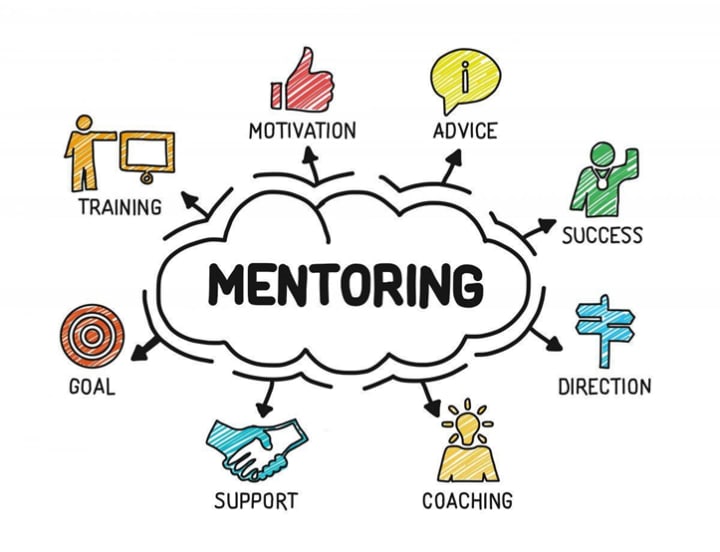
Get a mentor:
Finding a mentor who has experience in your industry can be valuable. They can offer advice, guidance, and support as you navigate the challenges of starting and growing a business.
Getting a mentor in business development and entrepreneurship skills can be an effective way to gain valuable insights and guidance as you start or grow your business. A mentor can provide you with a wealth of knowledge and experience, help you navigate challenges, and offer advice on how to achieve your goals. Here are some tips to help you find and work with a mentor in business development and entrepreneurship skills:
Identify your needs: Before seeking out a mentor, it's important to identify your needs and goals. Determine the areas where you need guidance and the specific skills you want to develop. This will help you find a mentor who can offer the expertise you need.
Look for mentors in your industry: Look for mentors who have experience in your industry and understand the unique challenges and opportunities that it presents. Consider joining industry associations and attending events to meet potential mentors.
Reach out to potential mentors: Once you've identified potential mentors, reach out to them to introduce yourself and explain why you're interested in working with them. Be clear about your goals and the areas where you want to develop your skills.
Be respectful of their time: Remember that your potential mentor is likely busy, so be respectful of their time. Offer to schedule a brief introductory call or meeting to discuss your goals and expectations.
Be open to feedback: Your mentor's feedback is invaluable, so be open to constructive criticism and feedback. Be willing to make changes and adjust your approach based on their guidance.
Set clear expectations: Be clear about your expectations and the scope of the mentorship. Determine the frequency of your meetings, the topics you want to cover, and the goals you want to achieve.
Take action on the advice you receive: Once you receive advice from your mentor, take action on it. Implement the changes and strategies they suggest and track your progress over time.
Stay organized:
Managing time, finances, and other aspects of a business can be overwhelming. Use tools like project management software, accounting software, and scheduling apps to stay on top of things.
Be open to feedback: Seek out feedback from customers, colleagues, and mentors. Use the feedback to improve your products, services, and business strategies.
Create a culture of feedback: Encourage feedback from customers, employees, and stakeholders. Make it easy for people to provide feedback, and be open to hearing both positive and negative feedback.
Listen actively: When someone is giving you feedback, listen actively. Pay attention to what they're saying, and ask clarifying questions if necessary.
Don't take it personally: It's important to remember that feedback is not a personal attack. Don't take feedback personally, and don't get defensive. Instead, see feedback as an opportunity to learn and improve.
Analyze the feedback: Once you've received feedback, take the time to analyze it. Consider the source of the feedback, the context in which it was given, and the specific feedback itself.
Use feedback to make improvements: Once you've analyzed the feedback, use it to make improvements. Take action on the feedback, and implement changes that will help you improve your performance, your product or service, or your customer experience.
Follow up: Follow up with the person who provided the feedback to let them know how you've used it to make improvements. This will show that you value their feedback and that you're committed to using it to improve your business.

Embrace failure:
Failure is a part of the entrepreneurial journey. Learn from your failures, pivot your business strategies when needed, and keep moving forward.
Embracing failure is a crucial part of developing business development and entrepreneurship skills. Failure is an inevitable part of the entrepreneurial journey, and it can provide valuable lessons and insights that can help you grow and improve. Here are some tips to help you embrace failure and use it as a learning opportunity:
Change your mindset: Instead of viewing failure as a setback, view it as an opportunity to learn and improve. Embrace a growth mindset, which means that you see challenges as opportunities to grow and learn, rather than as obstacles to be avoided.
Analyze your failures: When you experience a failure, take the time to analyze what went wrong and why. Consider what you could have done differently and what lessons you can take away from the experience.
Use failure as motivation: Failure can be a powerful motivator. Use it as a way to fuel your determination and drive to succeed. Remember that failure is not the end of the road, but rather a stepping stone on the path to success.
Be resilient: Resilience is an important quality for entrepreneurs. It means having the ability to bounce back from setbacks and overcome obstacles. Use failure as an opportunity to build your resilience and strengthen your resolve.
Share your failures: Don't be afraid to share your failures with others. By being transparent about your failures, you can learn from others and gain valuable insights that can help you grow.
Take calculated risks: While failure is a part of the entrepreneurial journey, it's important to take calculated risks. Analyze the risks and benefits of each decision carefully before taking action. Taking calculated risks can help you avoid unnecessary failures

Quotes of Inspiration:
"The best way to predict the future is to create it." - Peter Drucker
"The successful warrior is the average man, with laser-like focus." - Bruce Lee
About the Creator
Lone_Wolf
Hello there! This is a mysterious man, a male writer with a passion for storytelling. Ever since I was a child, I've been captivated by the power of words to transport readers to new worlds and spark their imaginations.
Keep reading
More stories from Lone_Wolf and writers in Motivation and other communities.
She Stayed When Everyone Left
At 22, Mia didn’t look like someone building a business. She worked a full-time administrative job in a gray office building where the highlight of the day was a fresh pot of coffee. Her paycheck covered rent for a small studio apartment, groceries, and just enough savings to feel slightly responsible... but not secure.
By MIGrowth8 days ago in Motivation


Comments
There are no comments for this story
Be the first to respond and start the conversation.