
How to Pay Off Your Student Loans Faster
Strategies That Really Work

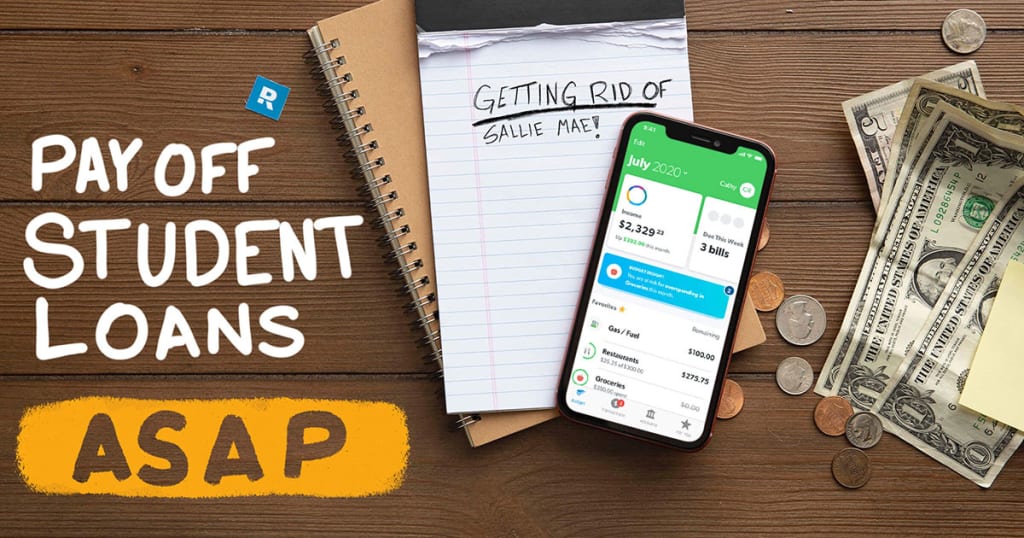
For many graduates, student loans can feel like a heavy burden, holding them back from achieving their financial goals. However, with the right strategies and determination, it is possible to pay off your student loans faster and regain control of your financial future. In this article, we'll explore practical and effective strategies that will inspire you to tackle your student loans head-on. Let's dive in!
1. Create a Comprehensive Budget:
To accelerate your student loan repayment, start by creating a detailed budget that includes all your income and expenses. Identify areas where you can cut back on discretionary spending and allocate those savings towards your loan payments.
Real-life example: Emily analyzed her budget and identified areas where she could reduce expenses, such as dining out and entertainment. By reallocating those funds towards her student loans, she was able to make significant progress in paying them off.
2. Increase Your Income:
Consider finding ways to increase your income to allocate more funds towards your student loan payments. This could involve taking up a side job, freelancing, or exploring other income-generating opportunities.
Real-life example: John started a part-time job in the evenings to supplement his income. The additional earnings he generated went directly towards his student loan payments, enabling him to make extra progress in reducing his debt.
3. Make Biweekly Payments:
Instead of making monthly payments, switch to biweekly payments. By doing so, you effectively make 13 full payments per year instead of 12, which can significantly reduce the overall interest paid and shorten the repayment period.
Real-life example: Sarah contacted her loan servicer and arranged to switch to biweekly payments. This adjustment allowed her to pay off her student loans several months earlier than originally anticipated.
4. Prioritize High-Interest Loans:
If you have multiple student loans, focus on paying off the high-interest ones first. By targeting the loans with the highest interest rates, you save more money on interest payments over time.
Real-life example: Michael identified the student loan with the highest interest rate and directed any extra funds towards paying it off. Once that loan was fully repaid, he shifted his focus to the next loan with the highest interest rate.
5. Consider Loan Refinancing:
Refinancing your student loans can be a smart move if you qualify for a lower interest rate. By refinancing, you can save money on interest and potentially reduce your monthly payments, allowing you to allocate more towards the principal balance.
Real-life example: Lisa researched different refinancing options and found a lender offering a significantly lower interest rate. By refinancing her student loans, she was able to save thousands of dollars in interest over the repayment term.
6. Explore Loan Forgiveness Programs:
Depending on your profession or circumstances, you may qualify for loan forgiveness programs. These programs forgive a portion or all of your student loans in exchange for working in specific fields or meeting certain criteria.
Real-life example: David, a teacher, qualified for a loan forgiveness program for educators. By fulfilling the program requirements, a significant portion of his student loans was forgiven, allowing him to become debt-free sooner.
7. Utilize Windfalls and Tax Refunds:
When you receive unexpected windfalls, such as a work bonus or a tax refund, consider using a portion or the entirety of it to make a lump-sum payment towards your student loans. This accelerates your progress in paying off the debt.
Real-life example: Emma received a bonus at work and decided to allocate a significant portion of it to her student loan payment. This large lump-sum payment helped her reduce the outstanding balance significantly.
8. Seek Employer Assistance:
Some employers offer student loan repayment assistance as part of their employee benefits package. Check with your employer to see if they provide any assistance or reimbursement programs that can help you pay off your student loans faster.
Real-life example: Mark discovered that his employer had a student loan repayment assistance program. By enrolling in the program, he received additional monthly contributions towards his loan payments, helping him pay off his loans more quickly.
Conclusion:
Paying off your student loans faster is an attainable goal with the right strategies and mindset. By creating a budget, increasing your income, making extra payments, prioritizing high-interest loans, exploring refinancing options, and taking advantage of loan forgiveness programs and employer assistance, you can accelerate your journey to becoming debt-free. Remember, every small step counts, and with determination and persistence, you can conquer your student loans and pave the way for a brighter financial future. Start implementing these strategies today and take control of your student loan repayment journey.
About the Creator
MUGISHA Rabsson
Mugisha Rabsson is a seasoned writer dedicated to helping individuals navigate the complex world of personal finance,life,families,nature,health,nutrition,technology,caring,...
Keep reading
More stories from MUGISHA Rabsson and writers in Motivation and other communities.
Investing 101
Investing in the stock market has the potential to be a powerful tool for building wealth and achieving financial independence. While it may seem intimidating at first, with the right knowledge and strategies, anyone can embark on this exciting journey. In this beginner's guide to investing, we'll explore the fundamentals of the stock market, provide practical tips, and use real-life examples to inspire and guide you towards wealth creation. Let's get started!
By MUGISHA Rabsson3 years ago in Motivation



Comments
There are no comments for this story
Be the first to respond and start the conversation.