
How to Cultivate Self-Discipline in Daily Life
Self-discipline is one of the most important qualities you can possess, and yet, it’s often overlooked

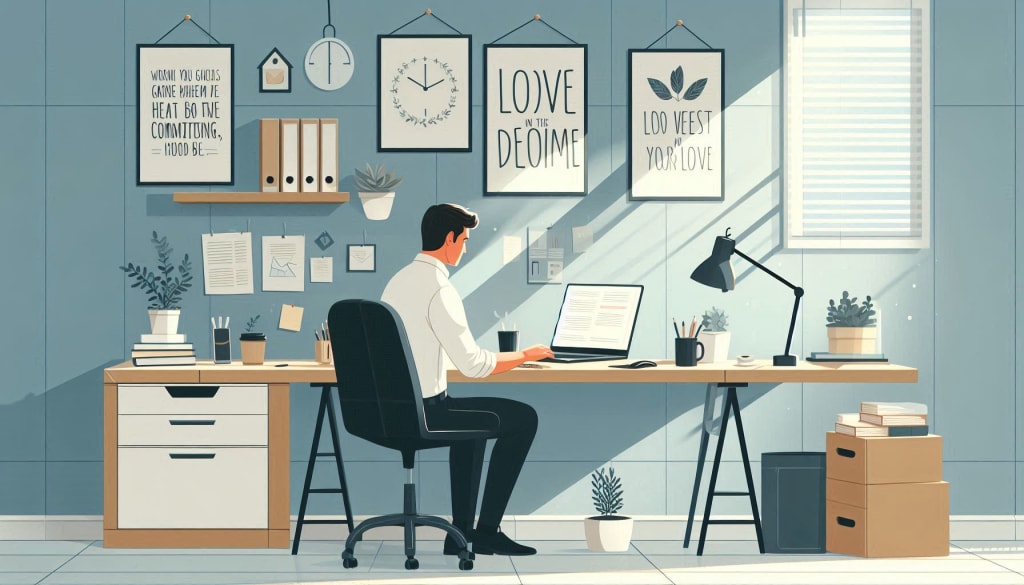
Self-discipline is one of the most important qualities you can possess, and yet, it’s often overlooked. It's the foundation of personal growth, success, and overall well-being. Without self-discipline, it's difficult to achieve your goals, maintain consistency, and handle life’s ups and downs. But how can you cultivate self-discipline in your daily life? In this article, we will explore practical steps and strategies to develop and strengthen your self-discipline, helping you take control of your life and start working towards your dreams with focus and dedication.
.
---
Why Self-Discipline Matters
Before we dive into the methods of developing self-discipline, let’s understand why it’s so crucial. Self-discipline is the ability to control your emotions, behaviors, and habits in the face of external demands, to achieve a greater goal. When you master self-discipline, you're not easily swayed by distractions or emotions. Instead, you stay focused on what matters most and take consistent action towards your goals.
Whether you're working on a personal project, striving for a fitness goal, or pursuing professional ambitions, self-discipline allows you to keep going even when motivation is low or when challenges arise. It’s the key to forming healthy habits, staying productive, and achieving long-term success.
---
Step 1: Start with Clear Goals
The first step to building self-discipline is to define what you want to achieve. Without clear goals, it’s hard to stay disciplined because you have no clear direction. Having a specific goal in mind gives you something to strive for, making it easier to stay focused and committed.
How to Set Clear Goals:
Be Specific: Instead of saying "I want to get fit," set a specific target, such as "I will run 30 minutes every morning for the next month."
Make it Measurable: Ensure you can track your progress. For instance, "I will read two books per month" is a measurable goal.
Set Deadlines: Deadlines create a sense of urgency and prevent procrastination. Set a timeline for each goal to keep yourself on track.
By setting clear and achievable goals, you're more likely to stay disciplined because you know exactly what you're working towards.
---
Step 2: Break Down Big Tasks into Smaller Steps
One of the biggest obstacles to self-discipline is feeling overwhelmed by a large task. If you have a big goal, such as writing a book or launching a business, it can be daunting to know where to begin. That’s where breaking the task down into smaller, manageable steps comes in.
How to Break Down Big Tasks:
Create a Plan: Outline the major tasks involved in your goal and then break them down into smaller actions. For example, if you're writing a book, your plan might include researching topics, outlining chapters, and writing 500 words every day.
Focus on One Step at a Time: Don't try to do everything at once. Focus on completing one small task before moving to the next.
When you break down tasks, they become less intimidating, and you're more likely to stay disciplined because each step feels manageable.
---
Step 3: Build Good Habits
Self-discipline isn’t just about willpower; it’s about building habits that align with your goals. Habits are powerful because they automate behavior. When something becomes a habit, you don’t have to think about it; you just do it.
How to Build Good Habits:
Start Small: Focus on one habit at a time. For example, start by committing to reading for 10 minutes every day before gradually increasing it.
Be Consistent: Consistency is key to turning actions into habits. Stick to your new habit every day, even when you don’t feel like it.
Track Your Progress: Use a journal or an app to track your progress. Celebrate small victories to keep yourself motivated.
By focusing on developing positive habits, you make self-discipline easier to maintain. Over time, these habits will become second nature.
---
Step 4: Avoid Temptations and Distractions
Temptations and distractions are everywhere, and they can easily derail your discipline. Social media, TV shows, or even junk food can easily pull you away from your goals. The key to maintaining self-discipline is to minimize these distractions as much as possible.
How to Avoid Distractions:
Set Boundaries: Limit your screen time by setting specific hours for checking social media or watching TV.
Create a Productive Environment: Organize your workspace and eliminate unnecessary distractions. A clean, quiet space encourages focus.
Use Time Blocks: Dedicate specific blocks of time for work and relaxation. During work time, avoid checking your phone or browsing the internet.
By eliminating temptations and distractions, you make it easier to stay disciplined and focused on your goals.
---
Step 5: Stay Accountable
Accountability is one of the best ways to ensure you stay disciplined. When someone else is aware of your goals, it increases your commitment to achieving them. Whether it’s a friend, mentor, or coach, having someone to hold you accountable can keep you motivated and on track.
How to Stay Accountable:
Share Your Goals: Tell someone you trust about your goals and progress. Having a supportive person to check in with makes you more committed to your goals.
Join a Group or Community: Consider joining a group or community that aligns with your goals. For instance, if you’re trying to get fit, joining a fitness group can help keep you motivated.
Accountability provides an extra layer of motivation, making it easier to stay disciplined and consistent.

---
Step 6: Be Patient and Persistent
Building self-discipline takes time, and there will be moments when you feel like giving up. It's important to be patient with yourself and understand that self-discipline is a skill that improves with practice. Celebrate your progress, no matter how small, and don’t be discouraged by setbacks.
How to Stay Persistent:
Track Your Progress: Keep a journal to track how far you’ve come. Looking back at your progress can be motivating.
Don’t Be Too Hard on Yourself: If you slip up, don’t give up entirely. Acknowledge the mistake, learn from it, and get back on track.
Self-discipline is built over time, and persistence is key to success.
---
Conclusion: Cultivate Self-Discipline for a Better Life
Cultivating self-discipline is a process that requires time, effort, and consistency. However, the rewards are well worth it. By setting clear goals, breaking tasks down into manageable steps, building good habits, and staying accountable, you can develop the self-discipline needed to achieve your dreams. Remember, the key to success is not about being perfect but about being persistent. Keep pushing forward, and you’ll start to see the results of your hard work.
---
How did you find this article?
If you have any feedback or thoughts, feel free to share them in the comments below. I'd love to hear your experiences and any other tips you have for cultivating self-discipline!

About the Creator
Keep reading
More stories from TaleCrafter and writers in Motivation and other communities.
How Your Morning Routine Can Change Your Life
Start writing... How Your Morning Routine Can Change Your Life Morning is more than just the start of the day; it’s a launchpad for your entire life. The way you spend your morning can define how productive, positive, and successful you are. High achievers—from CEOs to athletes—often attribute their success to a well-crafted morning routine. Scientific studies also support this, showing that a consistent morning routine can enhance mental clarity, improve mood, and increase productivity. In this article, we will dive deep into actionable strategies to design a morning routine that can transform your life step-by-step.
By TaleCrafter11 months ago in Motivation
One Hard Thing
Stop me if you’ve heard this one before: You have the number, you know your schedule- you’ve even picked out the perfect day and time to make this appointment. Shoot, you’ve even picked out alternative days and times just in case their schedules can’t accommodate you!
By Taylor Rigsby10 days ago in Motivation


Comments (1)
Yo, this is dope — breaking down self-discipline like that makes it feel way less scary and super doable!