
How Psychology Shapes Professional Poker Players
Mental Edge

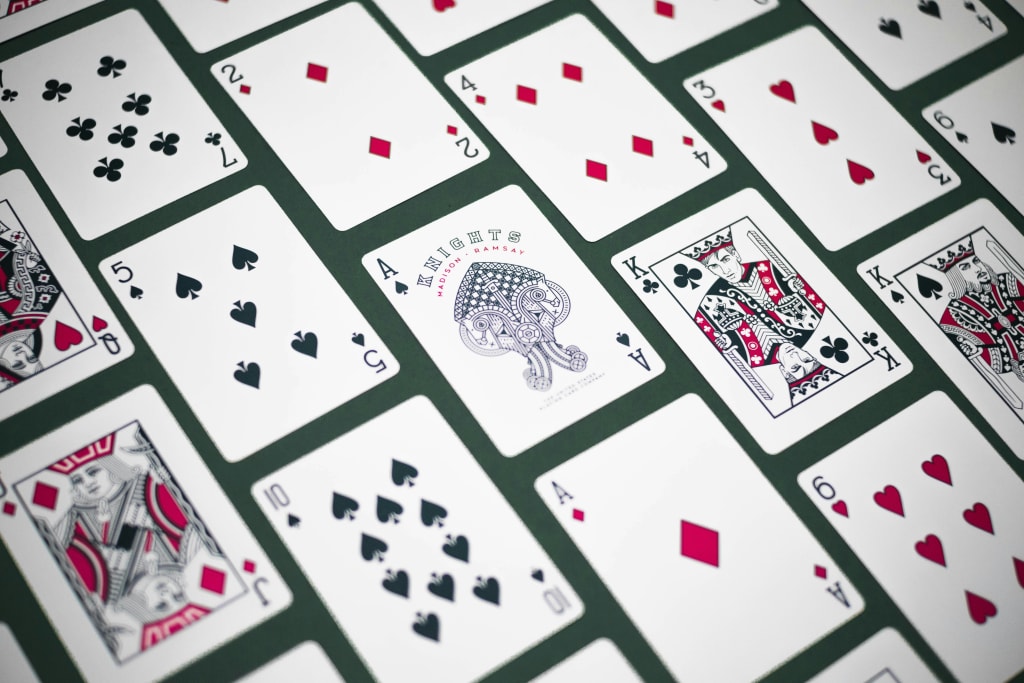
Professional poker is often seen as a game of chance, yet the truth is far more complex. Success at the table relies heavily on mental strength, emotional control, and strategic thinking. Professional players understand that psychology plays a crucial role in shaping performance. Beyond knowing the odds or memorizing hands, players develop a mindset that keeps them focused, helps them make calculated decisions, and enables them to adapt under pressure. Mental toughness separates consistent winners from casual players and defines what it means to be a true professional.
The Power of Emotional Control
In poker, emotions can become both an asset and a liability. Players face wins and losses constantly, and each outcome can trigger a strong emotional reaction. Professional players recognize the danger of letting frustration, excitement, or anxiety influence their decisions. Instead, they cultivate emotional control to maintain consistency and avoid costly mistakes. Emotional discipline allows players to think clearly, evaluate options logically, and stay in the moment rather than reacting impulsively.
This ability to manage emotions extends beyond the table. Professionals apply the same principles during long tournaments and high-stakes games. Mental fatigue, stress, and pressure can cloud judgment, but players who maintain control perform better over time. Emotional stability also helps in reading opponents, as remaining calm enables players to observe subtle behavioral cues without being influenced by personal feelings or distractions.
Focus and Concentration as a Core Skill
Concentration is essential for success in poker. A single lapse in attention can result in misreading a hand or miscalculating a bet. Professional players train themselves to sustain focus for hours, even during grueling sessions. They develop routines that enhance mental clarity and minimize distractions. These habits allow them to process complex information, track patterns, and anticipate opponents’ moves effectively.
Maintaining focus is not just about avoiding mistakes; it is also about spotting opportunities. Players who can remain fully engaged detect subtle shifts in strategy, betting patterns, and psychological tells. This heightened awareness can provide a critical advantage, turning the smallest insight into a significant edge. Focus becomes a muscle that players strengthen with deliberate practice, improving both decision-making and performance.
The Role of Psychological Strategy
Poker is as much about understanding people as it is about the cards. Professionals study psychology to anticipate opponents’ behavior and adjust their strategies accordingly. They observe tendencies, predict reactions, and use this information to influence outcomes. This strategic use of psychology allows players to manipulate the perception of their actions while avoiding predictable patterns themselves.
Psychological strategy also involves patience and timing. Professionals know when to press an advantage and when to step back. They calculate risk not only in terms of money but also in terms of mental energy and emotional state. Mastering the psychological aspect of poker enables players to make decisions that maximize long-term success rather than chasing short-term gains.
Resilience and Adaptability
Mental toughness in poker requires resilience. Professionals regularly encounter losing streaks, unexpected setbacks, and high-pressure situations. Those who can recover quickly, learn from mistakes, and remain focused continue to perform consistently. Resilience allows players to handle swings in fortune without losing confidence or clarity.
Adaptability is equally essential. Each game presents unique challenges, and opponents constantly adjust their strategies. Professional players must remain flexible, continually analyzing the table and adapting their approach. Mental agility enables them to respond effectively to changing dynamics and maintain an advantage over less adaptable opponents.
The Importance of Self-Reflection
Top poker players engage in constant self-reflection to refine their mental approach. They review decisions, evaluate outcomes, and identify patterns in their thinking. This reflective practice helps them recognize errors caused by emotion, miscalculation, or bias. By understanding their own psychological tendencies, players can implement strategies to mitigate weaknesses and reinforce strengths.
Self-reflection also supports growth beyond individual games. Players who analyze their mindset develop long-term habits that enhance consistency, improve judgment, and strengthen focus. They cultivate a disciplined approach to both practice and competition, ensuring continuous improvement over time.
Mindset as a Competitive Advantage
Ultimately, mental strength provides a significant competitive edge in poker. Professionals combine emotional control, focus, psychological insight, resilience, adaptability, and self-awareness to consistently perform at a high level. These skills allow them to navigate the complexities of the game, handle pressure with composure, and make decisions that optimize long-term outcomes. While technical knowledge and strategy are essential, it is the mental edge that often separates the most successful players from the rest.
By prioritizing mindset and psychology, professional poker players turn the game into more than a contest of cards. They create an environment where strategy, patience, and awareness intersect to maximize performance. This mental mastery becomes the foundation of their success, allowing them to thrive even in the most challenging and unpredictable situations.
Professional poker is a battle of minds as much as a battle of cards. Success depends on cultivating a strong, resilient, and adaptable mindset. Players who master emotional control, sustain focus, employ psychological strategy, and reflect on their decisions gain a decisive advantage. Mental toughness allows professionals to handle pressure, recover from setbacks, and consistently make optimal decisions. In poker, the cards may change, but the players’ mental edge often determines the outcome. Those who invest in their psychological development turn skill and knowledge into sustained success at the table.
About the Creator
Micah Raskin Poker
Micah Raskin Poker, a resident of New York, NY, has made significant strides as a semi-professional poker player and philanthropist. He began his poker career in 2007 and quickly rose to prominence by winning several high-profile events.
Keep reading
More stories from Micah Raskin Poker and writers in Motivation and other communities.
Mastering the Mind Game: How to Rise from Rookie to Poker Professional
Poker mastery doesn’t begin with a winning hand—it starts with the right mindset. Every great player starts as a learner, eager to grasp the intricate balance between strategy, psychology, and probability. While luck may play a role in the short term, long-term success belongs to those who thoroughly study the game and make decisions based on knowledge and logic, rather than impulse.
By Micah Raskin Poker 4 months ago in Education
Why We Compare Ourselves to Others
Have you ever scrolled through social media and suddenly felt like everyone else is doing better than you? Someone got a new job, someone started a business, someone is traveling, and another person seems to have the perfect life.
By Being Inquisitive4 days ago in Motivation
Indrajeet Balasaheb Madhale: Leading Teams with Technical Expertise and Operational Excellence
In today’s technology-driven work environment, effective leadership requires more than just management skills. It demands a combination of technical knowledge, strategic thinking, and the ability to inspire teams toward achieving organizational goals. Indrajeet Balasaheb Madhale exemplifies this approach, building a career that merges his expertise in computer applications with strong leadership and team management abilities.
By Thetribunemedia6 days ago in Motivation
Why Didn't Anyone Tell Us
Men, move along. This is not for you. This is for the women. I was forty-five when I began menopause. It is pretty young for that to be going on in a woman’s life, but I had undiagnosed PCOS, my entire life. Thank you to all the gynecologists I had seen my entire life. That in itself should encourage women to keep seeking second opinions, especially when you are not getting correct answers or any at all.
By Alexandra Grant4 days ago in Humans




Comments