
How I Survived 30 Days Without Spending a Single Rupee And What I Learned
From barter to borrowing, this social experiment taught me the real meaning of value

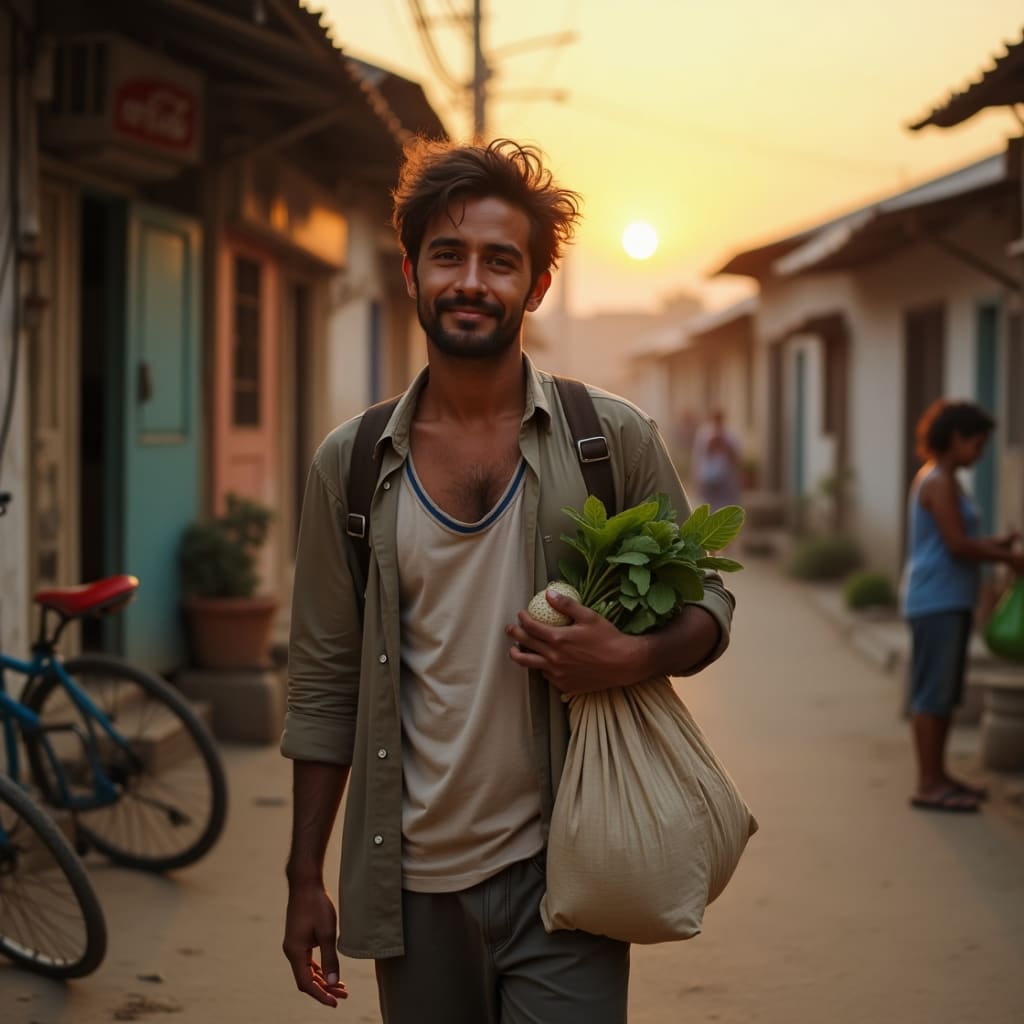
We live in a world where spending money feels as natural as breathing. Every app, every corner shop, and even just scrolling can result in a purchase. I wanted to try something different: Can you go 30 days without spending a single rupee?
No cash. No digital payments. No favors that involve money. Just will, creativity, and a bit of madness.
This wasn’t just a challenge for views or a social media stunt. I aimed to reconnect with life beyond transactions. What followed was a month filled with hunger, humility, and humanity that changed my perspective forever.
Week 1: Shock and Strategy
The first week was all about survival.
I empty my wallet, disabled my mobile wallet apps, and removed my bank card from my phone. My rules were strict:
- No direct or indirect spending
- No asking friends for money or rides
- Bartering was okay, but only if it didn't involve future cash paybacks
My biggest challenge? Food.
On Day 1, I cleared out the kitchen. I had a bag of rice, some lentils, and two potatoes. That lasted four days. After that, I became resourceful.
I remembered a small neighborhood garden project I had seen online. On Day 5, I walked over and offered to help weed and water in exchange for leftover vegetables. The woman in charge smiled and gave me five tomatoes and a zucchini. “Come back tomorrow,” she said.
And just like that, bartering became part of my life.
Week 2: Swapping Skills for Survival
By Week 2, I started trading what I had: my skills.
I offered basic digital help, such as setting up email, formatting resumes, and editing photos to local shopkeepers, students, and neighbors. In return, I received bread, eggs, and internet access at a cyber café.
I made posters and put them up on noticeboards around town:
"Need help with your phone, laptop, or documents? No money? No problem. Let’s trade."
People laughed at first. Then they began to call.
One woman offered me two cooked meals in exchange for helping her daughter with high school chemistry. I gladly accepted.
This week taught me something important:
Without money, people still find ways to connect and help one another.
Week 3: Mental Breakdown and Breakthrough
Week 3 was the toughest.
I was tired and socially drained. My clothes smelled because I hadn't figured out laundry without detergent. I missed a friend's birthday party because I couldn’t afford the bus fare or a gift. I began to question the whole challenge.
But something changed on Day 17.
A retired teacher who had heard about my “experiment” invited me over for tea. She said, “What you're doing is strange, but also kind of beautiful. We used to live like this. We helped each other, not because of money, but because we were neighbors.”
She handed me a bag of soap, lentils, and some fruit. I nearly cried.
That day, I stopped feeling sorry for myself and began to appreciate the simple abundance around me.
Week 4: Flow and Freedom
By the final week, things became easier not because the situation improved, but because I did.
I stopped craving junk food. I woke up earlier. I started writing again, documenting each day in a notebook. I used free public Wi-Fi to upload my notes as blogs. People began to follow my journey, offer tips, and even want to meet me.
I bartered writing tasks for data bundles and walked almost everywhere. My legs were sore, but my spirit was light.
For the first time in years, I felt truly free. Not because I had more, but because I had less and needed even less than I thought.
Day 30: The Finish Line
On Day 30, I stood in line at a community kitchen where I had volunteered during Week 2. The same people I had served food with were now patting me on the back, joking about how I “cheated the system.”
But I didn’t cheat. I learned how to live differently within it.
That night, I walked home with a piece of bread in my pocket and a notebook full of life lessons. I hadn’t spent a rupee in 30 days, yet I had gained something far more valuable.
What I Learned
- Money is a tool not necessary for everything. People survived for centuries through barter, community, and mutual help. It still works. You just need the courage to ask and offer.
- People want to help you just need to ask. We often feel guilty about receiving help. But most people are kind, curious, and generous if you’re honest and respectful.
- We consume more than we need. Without money, I realized how much I typically waste on food, subscriptions, and emotional spending. Simplicity sharpened my focus.
- Time is wealth. I read more, walked more, slept better, and had deeper conversations. Without constant purchases, I felt present in a way I hadn’t in years.
- Gratitude grows when comfort shrinks. I appreciated every apple, every kind gesture, and every human moment. Scarcity doesn’t just create hunger it creates awareness.
Would I Do It Again?
Yes but not out of necessity.
I’d do it to reset. To remind myself that I am not defined by my wallet. That life is rich in ways money can never buy.
I won’t pretend it was easy. It was uncomfortable, humbling, and sometimes lonely. But it was also the most alive I’ve ever felt.
If you're feeling overwhelmed, stuck in consumerism, or disconnected from real life try going a day or two without spending. See what you learn.
You might just rediscover the value of being human.
Want to Try This Challenge?
Here are 3 starter tips:
- Barter your skills: Offer something—writing, teaching, fixing things—in exchange for food or essentials.
- Use local resources: Public libraries, free events, and community kitchens can be lifesavers.
- Stay humble, but bold: Don’t hesitate to ask. Most people are happy to help someone on a mission.
About the Creator
Imdad Ullah Chemist
I write bold, relatable, and inspiring true-life stories that explore failure, fortune, career pivots, and online success all without the fluff.
Keep reading
More stories from Imdad Ullah Chemist and writers in Motivation and other communities.
I Quit My Job Using Handwritten Note And It Went Viral
I was sitting at my desk on a Monday morning, watching the blinking cursor on the screen as I sipped my fourth cup of bad office coffee. The air was thick with the sound of clicking keyboards and low murmurs about weekend plans and deadlines. For months, nothing had really changed. Or maybe years. And that was the problem.
By Imdad Ullah Chemist8 months ago in Motivation
Small Decisions, Big Growth: Navigating Adulthood at the Supermarket
Whenever I step into the supermarket, I’m instantly drawn to the produce aisle. The air is cool, infused with a gentle citrus aroma that drifts around the vibrant displays of fruit. I pause, listening to the soft clink of baskets as shoppers weave past. Apples have always been my favourite snack—the ritual of choosing a few is one I rarely skip. As I reach out, the skin of an apple is slick with condensation and promises a satisfying crunch.
By Sarah Xenos3 days ago in Motivation


Comments
There are no comments for this story
Be the first to respond and start the conversation.