
Giving Back: How Your Donations to Food Banks Shape Stronger Communities
Food Bank

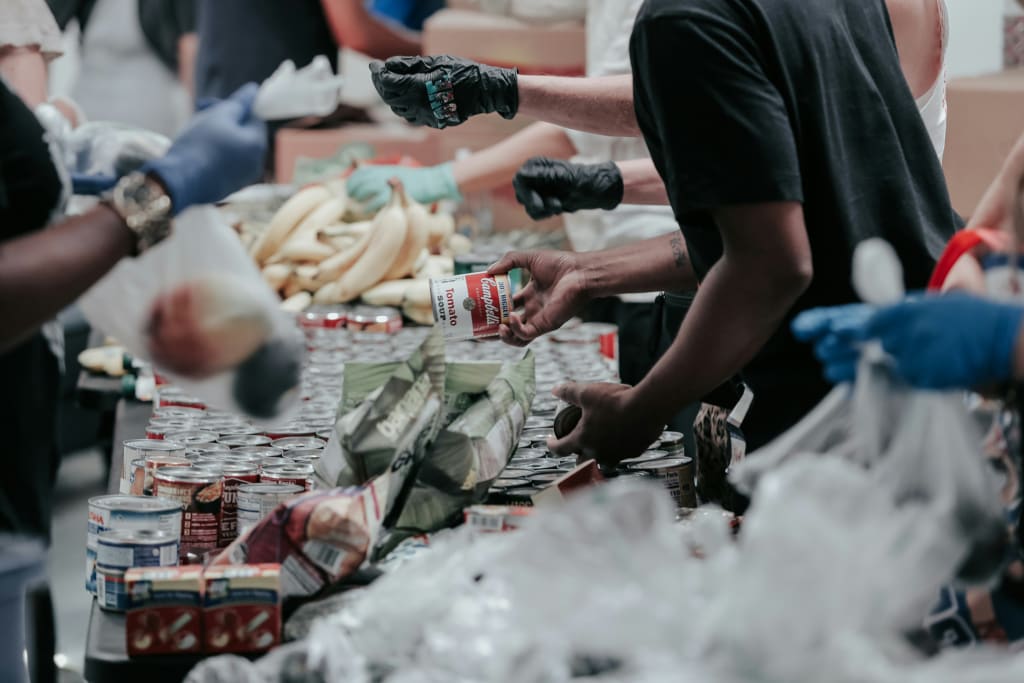
Food banks have become essential lifelines for individuals and families struggling with hunger and food insecurity across the United States. These organizations provide critical support in times of need, but their ability to help depends mainly on the generosity of the community. Donations—whether in the form of food, funds, or volunteer hours—make it possible for food banks to carry out their mission. The importance of this support cannot be overstated, as food banks not only provide immediate relief but also work toward long-term solutions to the root causes of hunger. In this article, we will explore how your contributions to food banks can create lasting change, support vulnerable populations, and help build stronger communities.
Meeting Immediate Needs with Your Contributions
When people think of food banks, the first thing that often comes to mind is food distribution. The primary function of food banks indeed is to provide meals to those who are struggling, but the impact of your donations goes far beyond simply offering sustenance. For families facing food insecurity, these contributions can be a lifeline during difficult times, whether they are dealing with job loss, unexpected medical bills, or other financial hardships.
Donating food, especially nutritious items, allows food banks to provide well-rounded meals for individuals and families. Many food banks strive to offer fresh produce, protein-rich foods, and pantry staples that ensure a balanced diet. The donations you provide are critical in ensuring that these food banks can meet the increasing demand for assistance. Without your support, food banks would struggle to keep up with the volume of requests, leaving more people without the resources they need.
Beyond just filling stomachs, your contributions help reduce the stress that comes with food insecurity. Families can take comfort in knowing they don’t have to choose between paying for housing or utilities and putting food on the table. For many, food banks are a source of stability, offering both physical nourishment and emotional relief.
Responding to Crises: Your Role in Emergency Relief
Food banks are often the first organizations to respond during a crisis. Whether it’s a natural disaster, economic downturn, or public health emergency, the demand for food assistance typically spikes in these situations. When the unexpected happens, food banks rely heavily on donations to provide emergency relief to those most affected.
For example, during the COVID-19 pandemic, food banks experienced a surge in demand as millions of people lost their jobs, businesses shut down, and food supply chains were disrupted. In times like these, your donations are significant. When food banks receive financial and food donations, they can quickly mobilize, increase their distribution capacity, and reach those in need more effectively.
Contributing during times of crisis enables food banks to meet urgent needs, ensuring that no one is left behind. Donating during these moments also helps food banks plan for future emergencies. Financial donations, in particular, allow them to stockpile supplies and strengthen their infrastructure so they can better handle sudden increases in demand. Your contributions help food banks act quickly and efficiently when disaster strikes, providing immediate relief to those who need it most.
Supporting Programs That Address Long-Term Hunger
While food banks are well-known for their emergency food distribution, many are also focused on longer-term solutions to hunger. Donations don’t just provide short-term relief; they also help fund programs that aim to reduce food insecurity and promote self-sufficiency in the long run. These initiatives can include nutrition education, job training, and partnerships with local farmers to source fresh, local produce.
Nutrition education is a key component of many food banks’ work. By teaching individuals and families how to make nutritious meals on a budget, food banks help break the cycle of hunger and improve overall health outcomes. These programs equip people with the knowledge and skills needed to make healthier food choices, ultimately reducing their dependence on food assistance.
In addition to nutrition programs, some food banks offer financial literacy and job-readiness workshops to help individuals secure stable employment. These initiatives help lift families out of poverty, reducing their reliance on food assistance over time. The funding that comes from donations enables food banks to run these programs, which play a critical role in helping people achieve long-term stability.
Volunteers: Your Time Makes a Difference
In addition to food and financial donations, volunteers are a critical part of the food bank ecosystem. Volunteers contribute their time to help with everything from sorting and packing food to assisting with distribution and organizing community events. Many food banks also offer volunteer opportunities for individuals to give back through educational programs or fundraising efforts. Without volunteers, food banks would face significant challenges in meeting the demand for services.
Volunteering is an impactful way to make a difference and to see the immediate impact of your contributions. You can directly engage with the people who benefit from food bank services, forming connections with those in need and gaining a deeper understanding of the challenges they face. Volunteering allows you to play a key role in supporting your community and making it stronger.
Moreover, by donating your time, you are helping food banks build a network of support that extends beyond just the recipients of aid. You become part of a larger community of individuals who care about solving hunger and food insecurity. This collective effort helps create a sense of solidarity and shared purpose, strengthening the community’s ability to respond to hunger and hardship.
Building Community Resilience
The impact of your donations stretches far beyond providing meals or emergency relief. When you contribute to food banks, you are helping to build a more resilient community—one that can weather economic downturns, disasters, and other challenges. Your donations create a ripple effect that helps strengthen local support systems and ensures that resources are distributed equitably.
Food banks work with a wide range of partners, including local businesses, community organizations, and government agencies, to maximize their reach and impact. Your donations enable food banks to maintain these relationships and build a stronger network of support. By working together, these organizations can create a comprehensive approach to solving food insecurity and addressing its root causes.
Through donations, both in food and time, you’re playing an active role in fostering community resilience. You’re ensuring that when challenges arise, your community is better equipped to respond. This collaboration and shared responsibility are key to building stronger, more sustainable communities that can overcome adversity together.
The Ripple Effect: Changing Lives, Changing Communities
The influence of your donations extends well beyond the individuals who directly receive assistance. When food banks can provide stable and reliable support, they enable families to focus on other areas of their lives, such as work, education, and healthcare. This allows people to become more self-sufficient, reducing their need for food assistance and helping them achieve a better quality of life.
Moreover, when food banks are well-supported, they become powerful community hubs that foster connections between neighbors and organizations. The work you do—whether through donations, volunteering, or fundraising—creates a lasting impact on the broader community. By contributing to food banks, you help nurture a culture of compassion, understanding, and shared responsibility, ultimately leading to stronger, more cohesive communities.
The Lasting Impact of Your Support
Food banks are vital resources that provide immediate relief, promote long-term solutions, and strengthen communities. Your donations make all of this possible. Whether you contribute food, money, or time, you play a pivotal role in ensuring that food banks can continue their work, respond to crises, and build stronger communities for the future. As we face new challenges in 2024 and beyond, consider how your support can make a meaningful difference. The power of giving is immense, and your contributions can help create lasting change that resonates far beyond the walls of the food bank.
About the Creator
Kevin Knasel
Kevin Knasel, a St. Louis music advocate, blends talent and philanthropy—supporting local artists, championing community causes, and enriching Missouri’s vibrant music scene.
Keep reading
More stories from Kevin Knasel and writers in Motivation and other communities.
Stories of How Acts of Kindness Change Communities
In every corner of the world, acts of kindness are reshaping communities. Whether it's through volunteer work, charitable donations, or simply lending a hand to a neighbor in need, the power of giving back can be felt in both big and small ways. When people step up to help others, they don't just provide immediate assistance—they build stronger bonds, foster unity, and spark lasting change. This article explores how giving back transforms communities, highlighting real-life stories of change that demonstrate the profound impact of kindness and generosity.
By Kevin Knasel6 months ago in Motivation
Looking back: 2025 was a beast
It's difficult to know how to start this. I've suggested that it's been a tough one from my title and in many ways, it has; however, there is an argument that it's not been that extraordinary at all, merely this wonderful thing we call "life" with all its climaxes and pitfalls.
By Rachel Deeming20 days ago in Motivation
Bruce Lee and The God of War: Kuan Ti
It starts with love.. The Power to the God Of War and Wealth Walk into a Chinese restaurant (even in Oklahoma, USA), a Chinese police station, a kung fu martial arts studio or even a Chinese temple and you often see a red faced warrior holding a heavy quan-do (spear like weapon).
By WILD WAYNE : The Dragon King4 days ago in Chapters




Comments