
Game of Thrones: The Human Story Behind Its Global Success
Game of Thrones success Story

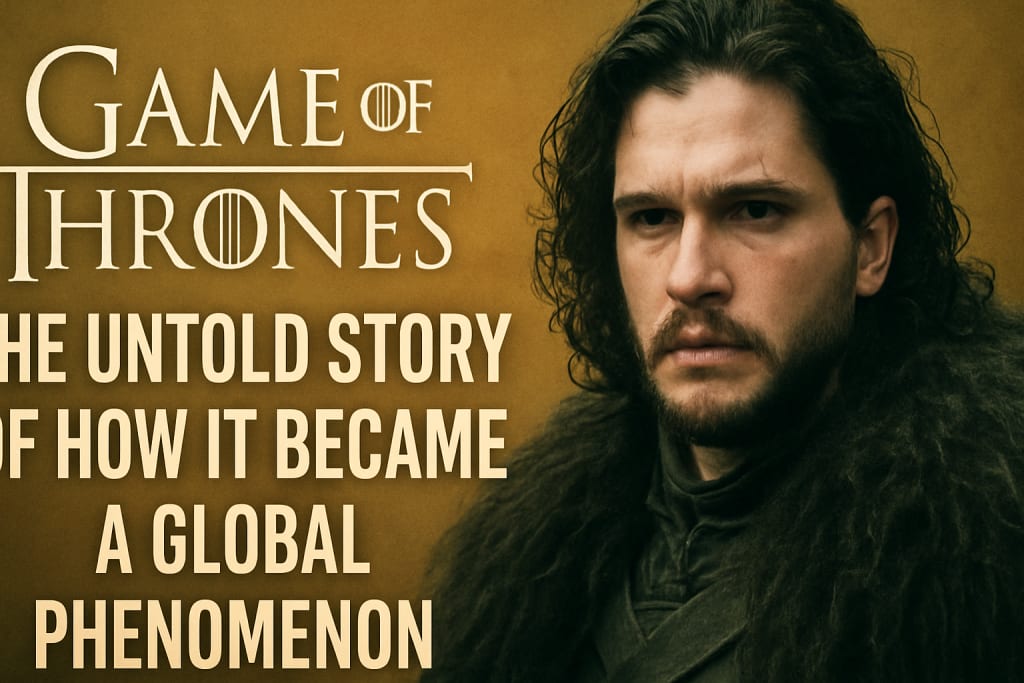
When HBO first announced that it was adapting George R.R. Martin’s fantasy series A Song of Ice and Fire into a television show, few could have predicted that it would become the most influential series of the 21st century. Game of Thrones was more than a TV show—it was an event, a cultural wave that united millions of people around the world every Sunday night. From living room debates to online fan theories, from memes to merchandise, the show became a phenomenon that reached far beyond the screen.
But how did a dark, violent, and morally complex fantasy story manage to break through the mainstream, win countless awards, and become the most-watched series in HBO history? The answer lies not in just one factor but in a combination of storytelling genius, production courage, relatable characters, and a devoted global fan base. This is the human story of how Game of Thrones gained success, and why its legacy continues to shape entertainment even today.
The Birth of a Fantasy Giant: George R.R. Martin’s Vision
The seeds of Game of Thrones were planted long before cameras ever rolled. In 1991, American author George R.R. Martin began writing A Game of Thrones, the first novel in his planned fantasy series. Unlike traditional fantasy, Martin’s world was not about perfect heroes and evil villains—it was about people.
His characters were flawed, ambitious, greedy, honorable, and cruel, often all at the same time. He drew inspiration from real history, particularly the Wars of the Roses, a bloody civil war in England. Martin wanted readers to feel like they were living inside a believable world where power came at a cost and no one was safe.
That meant shocking decisions—like killing off main characters early on. When Ned Stark, the noble hero of the first book, was executed, readers were stunned. But it was this unpredictability that gave Martin’s work its reputation for realism. Life was unfair, and so was Westeros.
HBO executives, searching for the “next big thing” after The Sopranos, recognized the potential in Martin’s vision. Still, it was a huge gamble. Fantasy was considered niche, and big networks avoided it because of the high cost of production. But HBO was known for taking risks. With David Benioff and D.B. Weiss as showrunners, the journey began.
Casting the Soul of Westeros
The success of Game of Thrones would not have been possible without its cast. At its core, the show was about people navigating love, betrayal, and survival in a brutal world. The casting directors chose mostly unknown actors at the time—Kit Harington as Jon Snow, Emilia Clarke as Daenerys Targaryen, and Maisie Williams as Arya Stark.
Their fresh faces made the world more believable. Viewers weren’t distracted by celebrity personas—they saw the characters as real. Sean Bean, already famous, was one of the few established actors, and his role as Ned Stark anchored the show in emotional credibility.
These actors grew alongside their characters. Fans didn’t just watch Arya Stark’s journey from a young girl to a fierce assassin—they watched Maisie Williams grow up on screen. That human connection kept audiences invested, season after season.
Storytelling That Broke the Rules
One of the biggest reasons behind Game of Thrones’ success was its willingness to break television rules.
No one was safe: Unlike most shows, heroes could die at any moment. The Red Wedding in Season 3 shocked the world, as beloved characters Robb Stark, Catelyn Stark, and Talisa were brutally killed in one of TV’s most unforgettable moments.
Moral complexity: Characters weren’t simply good or evil. Jaime Lannister, introduced as a villain who pushed a child out of a window, later became one of the most layered and sympathetic characters.
Real-world themes: Politics, power struggles, betrayal, and family honor echoed real history. The show spoke to people’s understanding of ambition and survival.
These choices created emotional investment. Viewers didn’t just watch for entertainment—they lived through the heartbreaks and victories with the characters.
Production Quality Like Cinema
From the beginning, HBO poured massive resources into the show. Filmed across multiple countries—Ireland, Spain, Croatia, Iceland—the landscapes gave authenticity to Westeros.
The costumes, sets, and CGI dragons set a new standard for television. Major battle episodes like “Battle of the Bastards” looked like blockbuster films, with epic choreography and realistic grit.
Viewers were no longer watching “just TV”—they were watching cinema on the small screen. This elevated fantasy from niche to mainstream. People who never considered themselves fantasy fans tuned in because the production looked too good to miss.
The Power of Fandom and Social Media
Another major reason for the success of Game of Thrones was its timing. The show rose during the peak of social media growth. Every episode became a conversation across Facebook, Twitter, and Reddit.
Fan theories kept people engaged between seasons.
Memes like “Winter is Coming” spread beyond fans into everyday culture.
Reaction videos to shocking deaths went viral.
This constant online conversation created fear of missing out (FOMO). Even people who didn’t usually watch fantasy started watching just to join the global conversation.
The show became an event, something people gathered around each week. In an era of binge-watching, Game of Thrones proved that waiting for new episodes could still unite audiences.
Breaking Records and Winning Awards
By Season 6, Game of Thrones was the most-watched show in HBO history. It became the first TV show to air in over 170 countries simultaneously, showing just how global its reach was.
The show also won 59 Primetime Emmy Awards, the most for any drama series. Critics praised its ambition, while fans kept pushing it higher in popularity.
This combination of critical success and fan obsession made it not just a TV show, but a cultural movement.
The Controversy of Season 8
No story of Game of Thrones is complete without addressing its controversial ending. Season 8 faced heavy criticism for rushing character arcs and leaving fans unsatisfied. For many, Daenerys’ sudden transformation into a tyrant and the rushed resolution of Jon Snow’s story felt unearned.
The backlash was intense—petitions for remakes, angry reviews, and disappointment. Yet, this too highlighted the power of the show. People cared so deeply about these characters that they felt personally betrayed. That level of emotional connection is rare in entertainment.
The Legacy: Opening Doors for Fantasy
Despite its flawed ending, the legacy of Game of Thrones remains undeniable. It proved that fantasy could be mainstream, paving the way for shows like The Witcher, Shadow and Bone, and HBO’s own House of the Dragon.
It also changed how television was produced, raising expectations for visual quality, storytelling ambition, and global release strategies.
For fans, it left unforgettable memories—shocking twists, powerful speeches, and characters that felt real.
Human Lessons Behind the Success
The success of Game of Thrones wasn’t just about dragons and battles. It was about the human connection:
People saw themselves in the characters’ struggles for identity, honor, and survival.
The unpredictability reminded viewers of life’s unfairness.
The community built around the show gave millions of people a sense of belonging.
At its heart, Game of Thrones showed us that no matter how big the world, the most powerful stories are about people—their desires, flaws, and dreams.
Conclusion: A Story That Changed Television Forever
Game of Thrones wasn’t perfect, but it was powerful. It broke rules, set new standards, and united the world in a way no show had before. Its success was the result of visionary writing, bold production, relatable characters, and passionate fans.
Even years after its finale, the words “Winter is Coming” still carry weight. The dragons may be gone, but the story lives on in the hearts of millions.
Game of Thrones will forever be remembered as the show that dared to be different, that proved fantasy could rule the world, and that reminded us of one timeless truth: In the game of thrones, you win or you die—but in the game of storytelling, you win when you make people feel.
About the Creator
Frank Massey
Tech, AI, and social media writer with a passion for storytelling. I turn complex trends into engaging, relatable content. Exploring the future, one story at a time
Keep reading
More stories from Frank Massey and writers in Motivation and other communities.
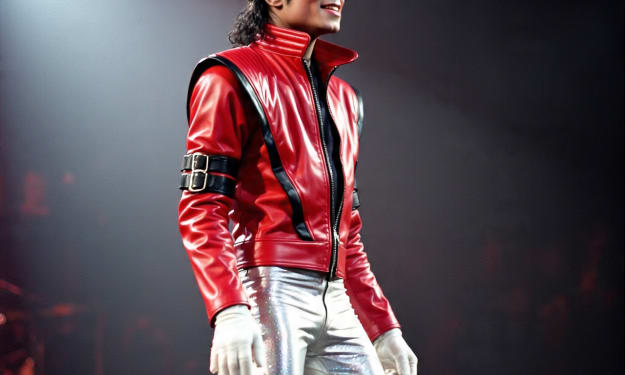
Michael Jackson: The Rise, Struggles, and Eternal Legacy of the King of Pop
There are few names in history that shine as brightly as Michael Jackson. To some, he was a child prodigy who grew into the world’s greatest entertainer. To others, he was a complex, fragile man burdened by fame, controversy, and loneliness. But to everyone, he remains the “King of Pop”, a man who transformed not just music, but culture itself. His journey from humble beginnings to global superstardom, from triumph to tragedy, is a story filled with both inspiration and heartbreak.
By Frank Massey 6 months ago in Motivation


Comments
There are no comments for this story
Be the first to respond and start the conversation.