
Feel Great, Lose Weight: The Doctor’s Plan
Dr. Rangan Chatterjee
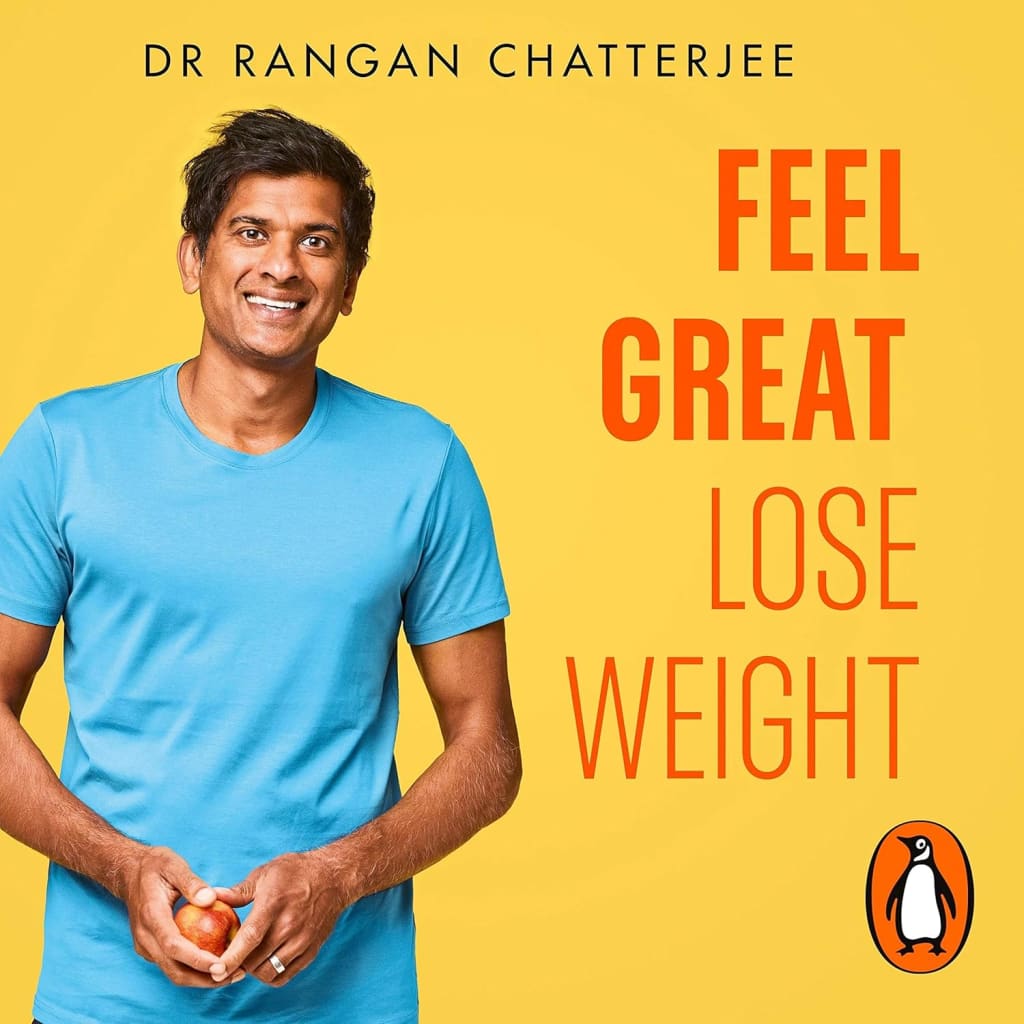
Dr. Rangan Chatterjee’s Feel Great, Lose Weight: The Doctor’s Plan offers a refreshing and holistic approach to the widely discussed topic of weight loss. Rather than prescribing a one-size-fits-all diet or exercise regimen, Chatterjee—known for his compassionate and integrative approach—explores a broader view of health and well-being. He aims to help people lose weight and feel better by addressing not only physical factors but also the psychological, emotional, and environmental influences that impact weight.
Chatterjee is renowned for his work in health media, particularly his popular BBC show Doctor in the House, where he employs holistic methods to improve individuals' health. In this book, he draws on his professional experience and insights into how modern society affects individual health and weight.
One of the central ideas in Feel Great, Lose Weight is that weight gain is not merely the result of poor willpower or overindulgence but a symptom of larger health issues. Chatterjee emphasizes that weight is not an isolated problem to be solved by cutting calories or exercising more but rather a reflection of an imbalance in overall health. He advocates focusing on achieving better health first, with weight loss following naturally as a result.
This perspective is especially important in a world where fad diets and extreme exercise programs promise rapid weight loss but often overlook underlying health issues. Chatterjee argues that factors such as poor sleep, high stress levels, hormonal imbalances, and emotional well-being can significantly impact a person's weight. His approach is both refreshing and empowering, shifting the focus from quick fixes to long-term, sustainable health.
Another key concept in the book is that there is no one-size-fits-all solution to weight loss. Chatterjee explains that each person’s body, lifestyle, and health challenges are unique, so their approach to weight loss must be customized to their specific needs. He provides various tools and techniques for readers to assess their health status and create a personalized plan.
For example, some people may benefit from intermittent fasting, while others might need to focus on improving gut health or reducing stress levels. By allowing readers to tailor their approach, Chatterjee empowers them to take control of their health sustainably and realistically.
Chatterjee is particularly critical of the diet industry and the messages it promotes about weight loss. He argues that most diets are unsustainable and often lead to cycles of deprivation and binge eating. Instead, he encourages readers to break free from restrictive diet mindsets and focus on nourishing their bodies with whole, unprocessed foods.
The book’s approach to food is based on mindful eating rather than strict calorie counting or elimination of specific food groups. Chatterjee emphasizes tuning into hunger and fullness cues and eating satisfyingly and sustainably. This approach is refreshing, especially in a culture that often promotes extreme diets as the best way to lose weight.
Chatterjee begins the book by exploring the root causes of weight gain, many of which are often overlooked in traditional weight loss programs. He examines how poor sleep, chronic stress, hormonal imbalances, and environmental toxins contribute to weight gain. He also discusses the role of processed foods, sugar, and refined carbohydrates in promoting overeating and fat storage.
Chatterjee offers readers a clear understanding of the various factors contributing to weight gain and how they can address these issues in their own lives. He explains the science behind these factors in an accessible way, making it clear that weight loss involves much more than just diet and exercise.
One of the core principles of Chatterjee’s approach is his focus on the four pillars of health: food, movement, sleep, and relaxation. He argues that optimizing these areas is essential for achieving lasting weight loss and improved well-being.
Chatterjee advocates for a diet based on whole, unprocessed foods and emphasizes mindful eating over strict calorie counting. He encourages readers to find forms of movement they enjoy and that fit into their daily lives, highlighting the importance of staying active throughout the day rather than focusing solely on structured workouts.
He explains the critical role of sleep in weight loss and overall health, providing tips for improving sleep quality, such as establishing a consistent sleep routine, reducing blue light exposure before bed, and managing stress. Chatterjee also stresses the importance of relaxation and stress management, offering practical tools like mindfulness, deep breathing, and spending time in nature.
One of the more controversial sections of the book is Chatterjee’s endorsement of intermittent fasting and time-restricted eating as effective strategies for weight loss. He explains the science behind these approaches and how they can help regulate hormones, reduce cravings, and improve metabolic health. Chatterjee provides several options for incorporating intermittent fasting into one’s routine and encourages readers to experiment with these methods to find what works best for them.
While intermittent fasting has been a contentious topic, Chatterjee presents it as one option among many, emphasizing the importance of personalization. He advises readers to listen to their bodies and consult a healthcare provider before making significant changes to their eating habits, particularly if they have a history of disordered eating or other health concerns.
Chatterjee devotes a significant portion of the book to discussing the role of mindset and emotional health in weight loss. He explains that many people use food to cope with stress, boredom, or negative emotions, and addressing these underlying issues is crucial for achieving lasting weight loss. He provides practical strategies for improving emotional health, including mindfulness, journaling, and seeking support from friends, family, or a therapist. Chatterjee emphasizes self-compassion and encourages readers to be kind to themselves throughout their weight loss journey, arguing that cultivating a positive mindset and a healthy relationship with food is as important as diet and exercise for long-term success.
One of the book’s greatest strengths is its holistic approach to weight loss. Chatterjee acknowledges that weight is a complex issue with many contributing factors and offers a comprehensive plan that addresses diet, exercise, sleep, stress, and emotional health. This integrative approach is more sustainable and realistic than many traditional weight loss programs, which often focus solely on calorie restriction and increased exercise.
Chatterjee’s emphasis on personalization is another key strength. He understands that each person is unique, and there is no one-size-fits-all solution to weight loss. By providing tools and strategies for assessing individual needs and developing a personalized plan, he empowers readers to take control of their health in a sustainable and achievable way.
The book is filled with practical tips and strategies that readers can easily incorporate into their daily lives. Chatterjee explains the science behind his recommendations clearly and understandably, offering step-by-step guidance for implementing his plan. Whether improving sleep, reducing stress, or incorporating more movement into one’s day, Chatterjee provides practical tools that are accessible to readers of all fitness levels and lifestyles.
While Chatterjee’s focus on mindful eating and whole, unprocessed foods is a strength, some readers may feel that the book lacks specific dietary guidance. This flexibility may be beneficial for some, but others might prefer more structured meal plans or guidelines.
Although Chatterjee presents intermittent fasting as one of many options, some readers may find it too restrictive or challenging to incorporate into their daily routines. While he stresses the importance of personalization, readers should approach this strategy cautiously and consult a healthcare provider, especially if they have a history of disordered eating or other health issues.
Overall, Feel Great, Lose Weight: The Doctor’s Plan offers a refreshing, holistic approach to weight loss that goes beyond diet and exercise. It addresses the deeper factors contributing to weight gain and provides a comprehensive, personalized plan for achieving sustainable health and well-being.
**Affiliate disclosure** This article includes affiliate links, meaning I will receive a small commission at no added cost to you as part of my affiliation with Audible when you sign up for a free trial to obtain this book.
About the Creator
Keep reading
More stories from writers in Motivation and other communities.
One Hard Thing
Stop me if you’ve heard this one before: You have the number, you know your schedule- you’ve even picked out the perfect day and time to make this appointment. Shoot, you’ve even picked out alternative days and times just in case their schedules can’t accommodate you!
By Taylor Rigsby4 days ago in Motivation
Meri Zindagi Hai: Pakistani Drama That Captivated Audiences
Introduction: Why “Meri Zindagi Hai” Is a Must-Watch Pakistani dramas have long been celebrated for their compelling storytelling, realistic characters, and emotional depth. Among these, “Meri Zindagi Hai” stands out as a drama that captured viewers’ hearts from its very first episode. The show explores themes of love, family, struggle, and resilience, resonating with audiences across Pakistan and beyond.
By Asad Ali4 days ago in Motivation
🅼🅸🅳🅽🅸🅶🅷🆃 🆂🅽🅰🅲🅺🆂
"It's 10 in Tuscon! We all know what that means... It's Time for Midnight Snacks with your man, Gerald Gee! Ready to spend the night together? Me too! I'm full of snacks and can't wait to regurgitate them all back into your hungry ears. Crack a brew! Pop some corn! Anything to get ready for one hell of a show where the talk maybe cheap but the words cut deep...
By Lamar Wiggins7 days ago in Fiction




Comments
There are no comments for this story
Be the first to respond and start the conversation.