
Ensuring Equal Access to Dental Care for All
Healthy Smiles, Healthy Lives

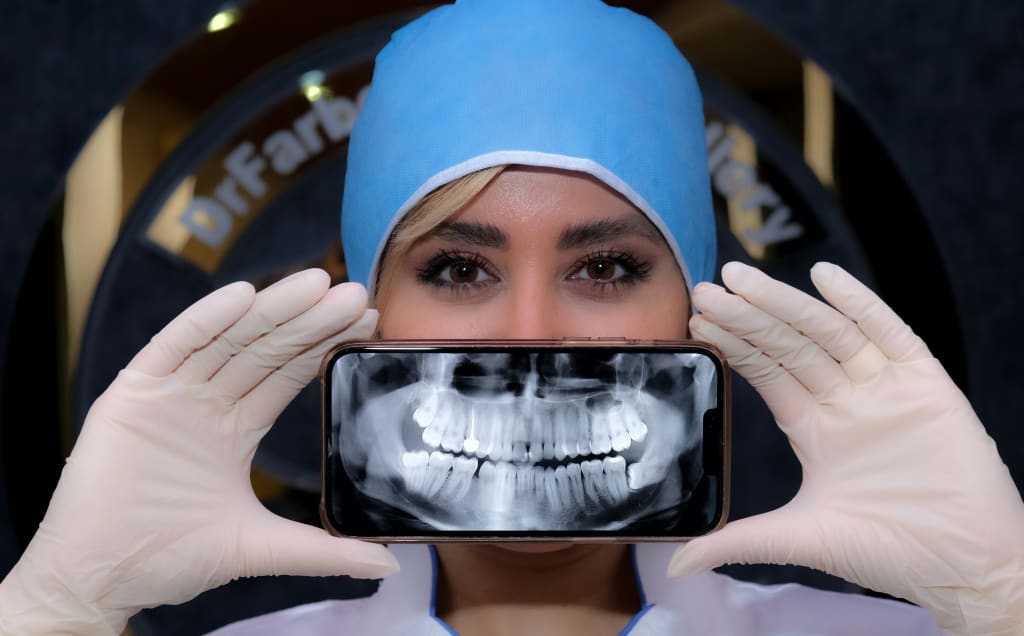
A bright, healthy smile can transform a person's outlook, confidence, and overall interaction with the world. It is more than an expression—it reflects confidence, nutrition, and overall well-being. Yet, millions of people lack access to proper dental care, leaving them vulnerable to pain, infection, and social stigma. Across the United States and beyond, oral health inequalities persist, driven by financial hardship, lack of providers, and limited awareness.
Ensuring equal access to dental care is not just a matter of health policy; it is a matter of justice. Every individual, regardless of income or background, deserves the right to maintain a healthy smile. To achieve this, healthcare systems, communities, and governments must unite to make dental care affordable, accessible, and preventive for everyone.
The Overlooked Importance of Oral Health
Oral health is a critical component of overall well-being, but it often receives less attention than other areas of medicine. The mouth serves as a gateway to the body, and neglecting it can have serious consequences. Gum disease and tooth decay can lead to infections that spread to the bloodstream, contributing to heart disease, diabetes complications, and even respiratory illnesses.
For many, dental pain becomes a constant burden, affecting concentration, sleep, and emotional health. Children with untreated cavities miss school more frequently, while adults with poor oral health face challenges in employment and social interactions. The truth is that oral care is not cosmetic—it is essential for physical, emotional, and social stability.
Recognizing this connection is the first step toward creating a healthcare system that treats dental care as a fundamental right rather than an optional service.
The Economic Barriers to Care
Cost remains the most significant barrier to receiving dental care. Unlike most medical treatments, dental services often require patients to pay for them out-of-pocket. Many insurance plans offer limited coverage, and some exclude dental benefits entirely. For low-income families, even basic cleanings or fillings can be financially unaffordable.
This lack of affordability forces people to delay care until their conditions become severe. A small cavity that could have been easily fixed for a modest cost can turn into an emergency requiring root canals or extractions. The longer people wait, the more expensive and painful the treatment becomes.
Expanding public insurance programs to include dental services can significantly reduce this burden. When dental care is integrated into broader healthcare policies, individuals are more likely to maintain regular checkups and prevent costly complications. Affordable care is not just a financial issue—it is the foundation for lifelong health.
Preventive Care: The Smartest Investment in Health
Preventive care is the cornerstone of good oral health. Regular dental visits help detect problems early, allowing inexpensive and straightforward solutions before significant damage occurs. Professional cleanings, fluoride applications, and patient education protect against decay and gum disease.
Yet, preventive dental care is often overlooked, especially in communities where people focus on urgent needs like food and shelter. Public education campaigns can help change this mindset by showing how preventive care saves both money and pain in the long run. Schools and community organizations can play a vital role in educating children and their parents about the importance of daily brushing, flossing, and maintaining a healthy diet.
Prevention costs far less than treatment. When individuals prioritize oral hygiene and receive regular care, communities become healthier and more resilient overall.
The Role of Community-Based Solutions
Community-driven initiatives have proven to be some of the most effective ways to expand access to dental care. Mobile clinics, nonprofit dental programs, and outreach events bring essential services directly to underserved populations. These efforts reduce travel barriers and reach those who may otherwise go years without seeing a dentist.
Community dental health workers also help bridge cultural and linguistic gaps. They educate residents, provide basic care, and connect patients to professional dentists when necessary. Their presence builds trust in populations that may be hesitant to seek treatment due to fear or lack of understanding.
When supported by robust public funding, these programs have a significant impact on oral health outcomes. They remind people that healthcare is not confined to hospitals—it can and should thrive within communities.
Technology’s Impact on Dental Access
Advancements in dental technology are opening new opportunities for accessible care. Tele-dentistry allows patients to consult with professionals through video calls or secure online platforms. This innovation is particularly valuable in rural areas where dental offices are scarce. Patients can receive assessments, guidance, and follow-up consultations without having to travel long distances.
Digital imaging, AI-based diagnostics, and portable dental tools have also made it easier to deliver high-quality care efficiently. Mobile units equipped with modern technology can perform screenings, X-rays, and cleanings right in local neighborhoods.
However, for these innovations to reach everyone, policymakers must address digital inequities. Expanding broadband access and providing training for telehealth use ensure that technology does not deepen existing disparities. The goal is to make digital dental care a tool of inclusion, not exclusion.
The Connection Between Oral and General Health
The link between oral health and systemic health is undeniable. Studies consistently show that poor dental hygiene contributes to inflammation and the development of chronic diseases throughout the body. Conditions such as diabetes and heart disease are closely linked to oral bacteria and the health of the gums. Pregnant women with untreated gum disease face higher risks of premature births and low birth weight.
Despite these connections, dental care often operates separately from general medicine. Integrating oral health into primary care systems can make a significant difference. Medical providers can play a crucial role by screening for oral health issues during regular checkups and referring patients to dentists when necessary. A unified healthcare model ensures that the mouth receives the same attention as any other part of the body.
Policy and Leadership in Action
Bringing equal access to dental care requires bold leadership and effective policy. Governments must recognize oral health as an essential public service and allocate resources accordingly. Policies that expand insurance coverage, incentivize dentists to serve rural areas, and support public dental education are key steps toward equity.
The private sector also has a role to play through partnerships and outreach initiatives. By collaborating with public agencies and private clinics, care can be extended to low-income families and schools. Collective action transforms isolated efforts into lasting change.
When leadership values public health over profit, dental care becomes a right, not a privilege.
Equal access to dental care is vital for building healthier, stronger communities. A clean, pain-free smile should never depend on one’s income, background, or location. Accurate healthcare equity begins when oral health is recognized as an integral part of overall health.
By expanding preventive services, embracing technology, and supporting community programs, societies can close the gap in dental access. Policymakers and healthcare leaders must continue to push for reforms that make care affordable and inclusive.
A smile is more than a reflection of happiness—it is a reflection of health and humanity. When every person can smile without pain or embarrassment, we move closer to a world where wellness and dignity are the birthright of all.
About the Creator
St. John's Community Health
St. John’s Community Health offers quality, patient-centered care across Los Angeles, providing underserved communities with medical, dental, and mental health services.
Keep reading
More stories from St. John's Community Health and writers in Motivation and other communities.
Care for All: Redefining Healthcare Through Inclusion and Compassion
In a perfect world, everyone would have access to the medical care they need—regardless of income, language, or background. But in reality, millions still struggle to find even basic healthcare. The problem isn’t just about hospitals or doctors; it’s about barriers—financial, cultural, and systemic—that keep people from getting help when they need it most. Inclusive medical care is about breaking those barriers, one compassionate step at a time.
By St. John's Community Health2 months ago in Education
Looking back: 2025 was a beast
It's difficult to know how to start this. I've suggested that it's been a tough one from my title and in many ways, it has; however, there is an argument that it's not been that extraordinary at all, merely this wonderful thing we call "life" with all its climaxes and pitfalls.
By Rachel Deeming22 days ago in Motivation
Lessons in Lasting Strength from Work and Life
Endurance often defines success more clearly than talent or speed. While quick results attract attention, sustained effort creates meaningful progress. In both professional and personal settings, endurance allows people to remain focused through pressure and uncertainty. Moreover, it supports steady growth when motivation fades. Therefore, building stamina becomes essential for long-term achievement. This strength develops through daily choices that favor consistency, patience, and emotional control.
By Richard Ceffalio Jr.2 days ago in Motivation



Comments