
Energy-Saving Advantages of Louver, Casement, and Hung Windows
Energy-Saving Advantages of Louver
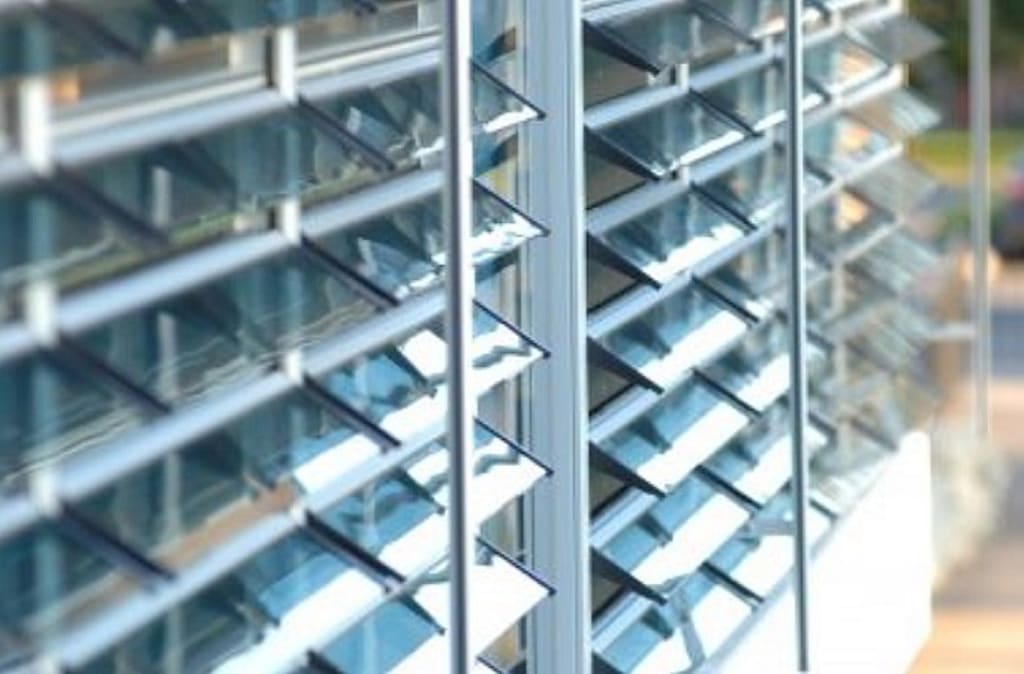
Windows do much more than provide sunlight, views, and ventilation—they’re a key factor in energy efficiency. The right type of window can significantly reduce energy consumption by controlling heat transfer, enhancing insulation, and improving ventilation. Among the popular window designs—Aluminum louver windows, Aluminum casement windows, and Aluminum hung windows—casement windows stand out for their ability to provide excellent energy-saving advantages.
In this blog, we’ll focus on how casement windows help conserve energy while still offering comfort and functionality, and we will explore how they compare to louver and hung windows.
The Importance of Energy-Efficient Windows
Windows are a primary point of heat transfer in homes, meaning that poorly insulated windows can result in unwanted heat gain or heat loss. This can increase energy costs substantially, as homeowners need to rely more on heating and cooling systems to maintain comfort. Energy-efficient windows, such as casement windows, are designed to minimize heat transfer, reduce drafts, and optimize natural ventilation to save energy year-round.
Benefits of Energy-Efficient Windows:
- Reduce heating and cooling costs.
- Maintain consistent indoor temperatures.
- Minimize reliance on air conditioners and heaters.
- Lower carbon footprint.
Let’s dive deeper into why casement windows excel when it comes to energy savings.
Energy-Saving Advantages of Casement Windows
Casement windows are side-hinged windows that open outward like a door. Their unique design not only enhances natural airflow but also creates tight seals when closed, making them highly energy-efficient. Here's how they benefit your home:
1. Superior Airtight Seal
One of the standout features of casement windows is their ability to close tightly against the frame. When the handle is cranked shut, the sash presses firmly against the weatherstripping, creating an airtight seal that prevents drafts or energy loss.
Energy Savings In Action:
Heat Retention During Winter: The tight seal ensures warm indoor air doesn’t escape, reducing the need for excessive heating.
Heat Blocking During Summer: An airtight fit prevents hot outdoor air from infiltrating the home, helping keep your space cool naturally.
This makes casement windows one of the most energy-efficient options on the market, especially in climates with temperature extremes.
2. Optimal Ventilation Control
Proper ventilation is vital for maintaining indoor comfort without relying too heavily on HVAC systems. Casement windows excel in this area because they can be opened fully, allowing for maximum airflow when needed.
Catch the Breeze: When opened, the outward-swinging sash acts almost like a sail, funneling breezes directly into your home, which can naturally cool spaces without using air conditioning.
Precise Adjustments: You can open casement windows as much or as little as needed, providing greater control over ventilation compared to other window styles.
By allowing homeowners to take advantage of natural cooling during mild weather, casement windows help reduce energy bills.
3. Energy-Efficient Glass Options
While casement windows are already energy-efficient due to their design, they can be combined with energy-efficient glass for even greater savings. Many modern casement windows come with insulating glass or coatings that limit heat transfer and improve thermal insulation.
Popular Glass Types for Casement Windows:
Low-E (Low Emissivity) Glass: Coated to reflect heat back into the house during winter and block heat in summer.
Double or Triple Pane Glass: Features multiple layers of glass with insulating gas (like argon or krypton) between the panes, reducing thermal transfer.
Tinted or Reflective Glass: Minimizes solar heat gain while allowing plenty of natural light indoors.
Energy-efficient glass options on casement windows can help maintain a comfortable indoor environment year-round and reduce energy consumption.
4. Durable and Long-Lasting Design
Casement windows are known for their sturdy construction and high-quality materials, which contribute to their overall energy efficiency. They are built to withstand harsh weather conditions and intense winds without compromising their airtight seal.
Energy-Related Benefits of Durability:
Weatherproofing: Properly installed casement windows resist warping or shrinking over time, maintaining their energy-saving capabilities.
Reduced Maintenance: The durable design minimizes the costs of repairs and replacements, indirectly supporting sustainable living.
5. A Sleeker Option for Natural Light
Casement windows often feature large glass panes that maximize the amount of light entering your space. While this isn’t directly related to thermal performance, it can reduce the need for artificial lighting during the day, further lowering electricity consumption.
Lighting Benefits:
Bright, naturally lit interiors reduce energy use.
Useful for eco-designs or homes aiming for lower carbon emissions.
Pair casement windows with energy-efficient blinds or window films to prevent excessive heat gain while enjoying well-lit spaces.
How Do Casement Windows Compare to Louver and Hung Windows?
Louver Windows
Louver windows consist of horizontal adjustable slats that tilt to control airflow. While they provide good ventilation, they are less energy-efficient overall due to gaps between the slats, which can cause drafts and heat loss.
Pros: Continuous airflow, ideal for tropical climates.
Cons: Poor insulation; less effective in cold or energy-intensive environments.
Hung Windows
Hung windows feature one or two sashes that slide vertically. While they offer moderate ventilation, they don’t close as tightly as casement windows, resulting in potential air leaks.
Pros: Classic design, suitable for traditional homes.
Cons: Limited ventilation and weaker airtightness compared to casement windows.
Why Casement Windows Are Superior
Unlike louver and hung windows, casement windows provide a perfect combination of:
Tight Seals for preventing air leakage.
Full Ventilation capability, enabling natural cooling.
Energy Efficiency through advanced glass technology.
These features make casement windows the most energy-saving option among the three designs.
Best Applications for Casement Windows
Consider installing casement windows in areas where energy efficiency and ventilation are a priority, including:
1. Living Rooms: Large glass panes maximize light and airflow, creating a bright and airy space.
2. Bedrooms: Crank-open windows let breezes in for natural cooling and restful sleep.
3. Kitchens: Improved ventilation makes hot cooking areas more comfortable.
4. Bathrooms: Casement windows reduce humidity while maintaining energy efficiency.
Choose Casement Windows for Energy Savings
Casement windows are not only stylish and functional but also a highly energy-efficient option for homeowners seeking to lower energy costs. Their airtight seals, ventilation control, and compatibility with insulating glass make them a clear winner over louver and hung windows.
About the Creator
Keep reading
More stories from Shazad Khan and writers in Motivation and other communities.
Steps to Calculate Your Final Grade
Knowing your final grade helps you plan your studies with confidence. Many students get confused when they try to add scores from tests, homework, and projects. But the process is simple when you understand each step. You can do it by hand or use a tool like a grade calculator or Mi Promedio for faster results. These tools remove the guesswork, show you where you stand, and help you focus on the areas that need improvement. They also make it easier to stay consistent throughout the term. Whether you're preparing for exams, tracking your weekly progress, or checking how much weight each assignment carries, having a clear method keeps you in control. Here is a clear and easy guide.
By Shazad Khan3 months ago in Lifehack
what make you-you?
We live in a world where everyone is labeled like the things in the world like the name of a street or the name of a clothing brand. When in reality behind all our flaws and rawness is who we truly are. The world, society has written a rule many years ago, thousand years ago it seems what our value is in this cold world. When in reality it is really simple one should except people as they are, everyone is unique in their own way but the world, society define us, our value by riches. In the world your personality and who you are as a person is based on beauty, fashion, a job title, the town you live in, the car you drive in and who you date or marry.
By Miss Bey4 days ago in Motivation
What’s Next for Marienna Mercedes Rathgeber Joiner?
For the past decade, Marienna Mercedes Joiner has built a reputation online as an entrepreneur, business strategist, marketing expert, and personal brand mentor helping creators and founders turn their knowledge into profitable online businesses and brands.
By Marienna Mercedesa day ago in Motivation




Comments
There are no comments for this story
Be the first to respond and start the conversation.