
Empowering Women
Celebrating International Women's Day
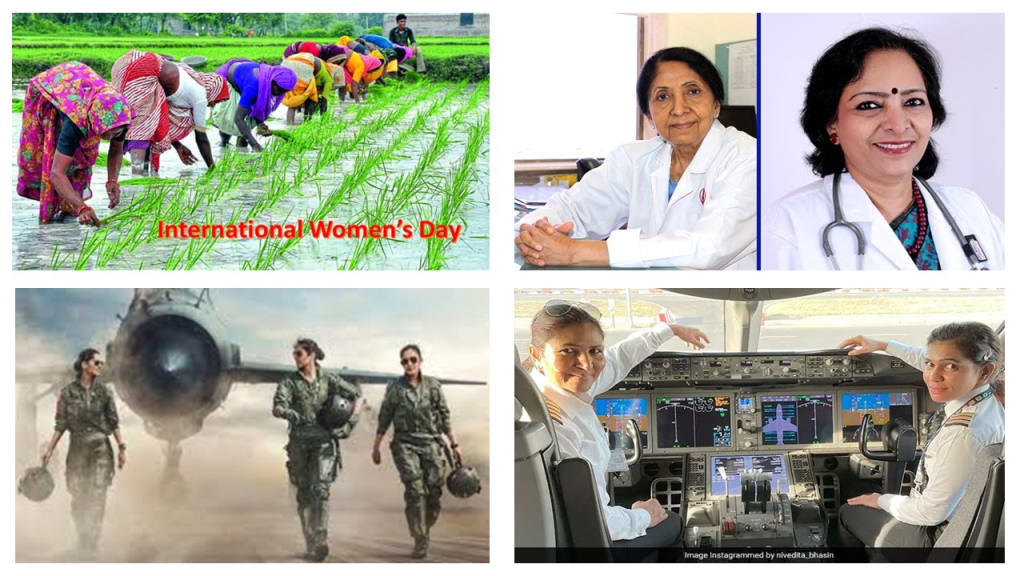
International Women's Day, observed annually on March 8th, serves as a significant global reminder of the indispensable contributions women make to society. It is a day dedicated to celebrating women's achievements, acknowledging their resilience, and advocating for gender equality worldwide. From political leadership to scientific breakthroughs, from artistic expression to social justice movements, women have played pivotal roles in shaping history and continue to drive positive change in every facet of life.
Historical Context:
The origins of International Women's Day can be traced back to the early 20th century, marked by the labour and suffrage movements. The day emerged as a response to systemic inequalities and the call for better working conditions, suffrage rights, and women's empowerment. In 1911, the first International Women's Day was celebrated, and since then, it has evolved into a global movement encompassing diverse cultural, economic, and political contexts.
Celebrating Achievements:
International Women's Day is an opportunity to celebrate the remarkable achievements of women across various fields. From pioneers like Marie Curie and Rosa Parks to contemporary trailblazers like Malala Yousafzai and Greta Thunberg, women have shattered barriers, defied stereotypes, and paved the way for future generations. Their stories inspire millions, demonstrating the limitless potential of women to excel and lead in every sphere of life.
Promoting Gender Equality:
While progress has been made in advancing women's rights, significant challenges persist. Gender inequality persists in many forms, including unequal pay, limited access to education and healthcare, gender-based violence, and underrepresentation in leadership roles. International Women's Day serves as a poignant reminder of the ongoing struggle for gender equality and the collective efforts needed to address these injustices.
Empowering Women:
Empowering women is not just a moral imperative but also a strategic imperative for building a more inclusive and prosperous world. When women are empowered, communities thrive, economies grow, and societies become more resilient. Empowerment encompasses access to education, economic opportunities, healthcare, and decision-making roles. It also involves challenging harmful gender norms and stereotypes that constrain women's potential and perpetuate inequality.
Intersectionality and Inclusivity:
It is crucial to recognize that women's experiences are diverse and shaped by intersecting factors such as race, ethnicity, class, sexual orientation, and disability. Intersectional feminism emphasizes the interconnectedness of various forms of oppression and advocates for inclusive approaches to gender equality. International Women's Day provides an opportunity to amplify the voices of marginalized women and address the intersecting barriers they face in achieving full equality.
Taking Action:
Celebrating International Women's Day goes beyond mere acknowledgment; it requires concrete action to drive meaningful change. Individuals, organizations, governments, and businesses can contribute to advancing gender equality by implementing policies that promote diversity and inclusion, supporting women-owned businesses, investing in women's education and healthcare, and advocating for legislative reforms that protect women's rights.
The Role of Men:
Men play a crucial role in advancing gender equality as allies and advocates. By challenging harmful stereotypes, confronting toxic masculinity, and promoting respectful relationships, men can contribute to creating a more equitable society. International Women's Day offers an opportunity for men to reflect on their privilege, listen to women's experiences, and commit to being active agents of change in their communities and workplaces.
Conclusion:
International Women's Day is a time to celebrate women's achievements, reflect on the progress made, and renew our commitment to advancing gender equality. It serves as a powerful reminder that gender equality is not just a women's issue but a fundamental human rights issue that requires collective action. By empowering women, challenging gender norms, and fostering inclusivity, we can create a more just and equitable world for all.
About the Creator
Keep reading
More stories from GOPIKRISHNAN and writers in Motivation and other communities.
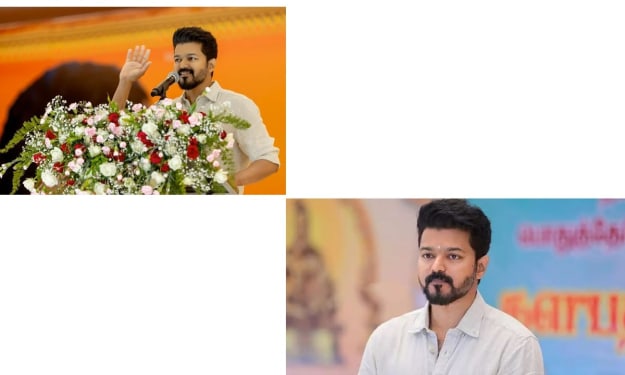
Thalapathy vijay
Vijay, full name Joseph Vijay Chandrasekhar, is one of the most prominent and celebrated actors in the Indian film industry, particularly in the Tamil film industry. Born on June 22, 1974, in Chennai, Tamil Nadu, Vijay has garnered immense fame and popularity for his versatile performances, charming persona, and mass appeal. With a career spanning over three decades, Vijay has established himself as a powerhouse performer, earning the title of "Thalapathy" (meaning commander or leader) among his fans. In this comprehensive essay, we will delve into the life, career, and impact of actor Vijay.
By GOPIKRISHNAN2 years ago in Writers
Influential Women LinkedIn: How the Platform Is Elevating Professional Women Worldwide
In today’s digital-first professional world, LinkedIn has become one of the most powerful platforms for thought leadership and professional networking. Among the communities gaining strong momentum on the platform is Influential Women LinkedIn, a growing space where executives, founders, entrepreneurs, and industry experts share leadership insights and professional experiences.
By influentialwomenmagazinea day ago in Motivation



Comments
There are no comments for this story
Be the first to respond and start the conversation.