
Why You Should Start Saying "No" More Often
The Hidden Cost of Always Saying "Yes"

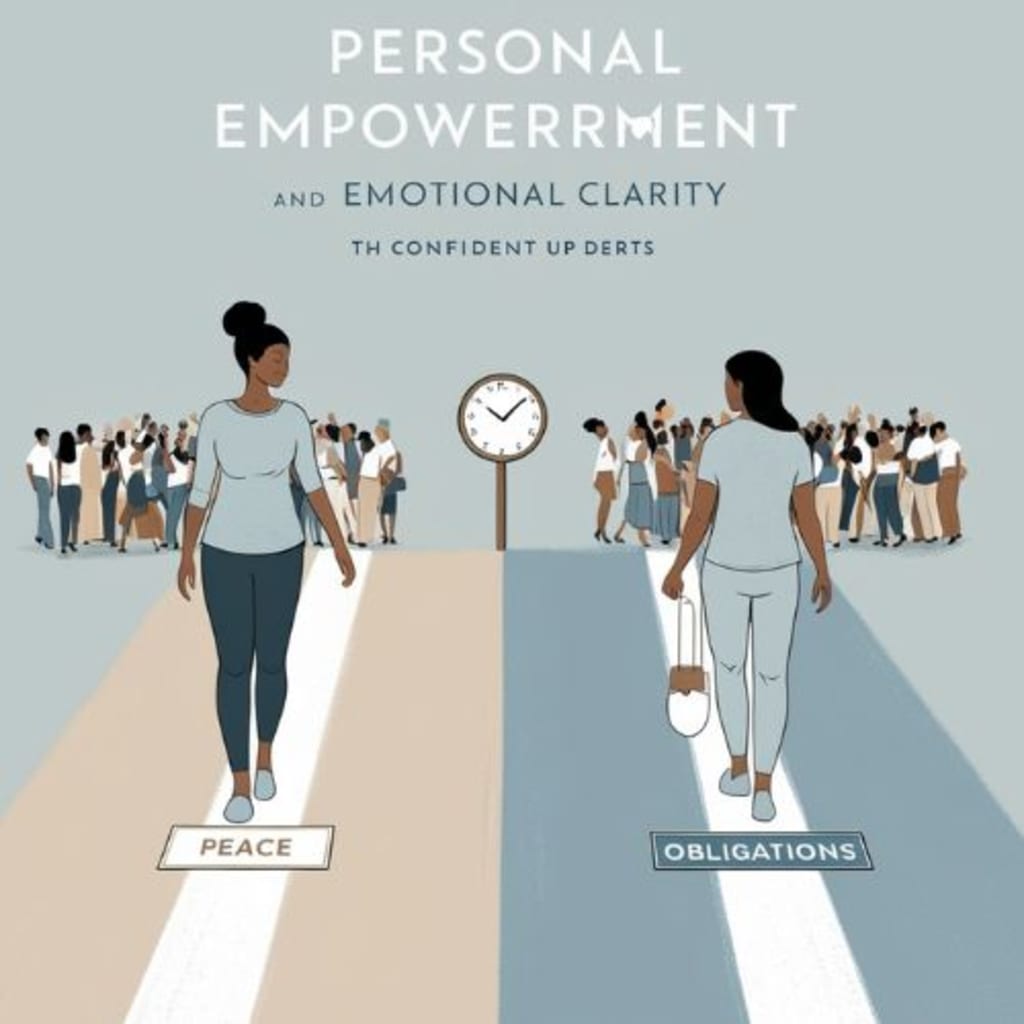
The Power of a Simple Word
Most of us are taught from a young age to be agreeable, helpful, and accommodating. While kindness is a strength, constantly saying “yes” can come at a personal cost. Whether it's staying late at work, agreeing to weekend plans when you need rest, or taking on tasks you don’t have time for—always saying “yes” leads to burnout, resentment, and loss of self-identity.
Learning to say “no” is more than setting boundaries—it’s a tool for mental health, personal growth, and authentic living. Here's why you need to embrace this tiny two-letter word more often.
🔹 1. Saying "No" Protects Your Mental Health
Your mental well-being thrives on balance. When you overextend yourself by constantly agreeing to things, your stress levels spike, and your mental energy drains. Saying “no” gives your mind space to breathe, reset, and focus.
Example:
Turning down a late-night social event when you're exhausted helps prevent emotional burnout and supports a consistent sleep routine—critical for mental health.
Tip: Practice polite refusal lines like:
“Thank you for thinking of me, but I need to recharge today.”
🔹 2. It Helps You Set Healthy Boundaries
Boundaries aren't about being selfish—they're about protecting your energy and self-respect. By saying “no,” you're communicating to others (and yourself) that your time and energy have value.
Without boundaries, people may take advantage of your kindness. Eventually, you’ll feel depleted, unheard, and even resentful. Saying “no” is how boundaries are enforced, especially in professional and personal relationships.
🔹 3. You’ll Have More Time for What Truly Matters
When your schedule is filled with commitments that don’t serve your goals, your progress slows. Every “yes” to something unnecessary is a “no” to something important.
Example:
Saying “no” to an extra project at work may free up your evening for a course you’ve been meaning to take, improving your career long-term.
Saying “no” isn’t about rejection—it’s about realignment.
🔹 4. It Strengthens Self-Confidence
It takes courage and clarity to say “no.” Especially if you fear rejection or disapproval. But each time you stand your ground, you train your brain to value your choices and intuition.
Over time, saying “no” becomes empowering—it reaffirms that your needs matter just as much as anyone else's.
Affirmation to Try:
“I am allowed to make choices that are best for me.”
🔹 5. Reduces Resentment in Relationships
When you agree to things you don’t want to do, resentment builds. You may feel used or unappreciated, which leads to strained relationships.
Saying “no” honestly, and early on, avoids fake commitments. It fosters honest communication and sets expectations that are sustainable.
Healthy relationships thrive on mutual respect, not silent sacrifice.
🔹 6. Encourages Personal Growth and Self-Discovery
When you stop saying “yes” to things out of guilt or obligation, you open yourself up to opportunities that align with your values, dreams, and goals.
- Saying “no” gives you:
- Time to reflect
- Space to try new things
Confidence to focus on what really excites you
“No” is not rejection—it’s redirection.
🔹 7. Helps You Avoid Burnout
Chronic burnout doesn't happen overnight—it builds from overcommitting, under-resting, and people-pleasing. Whether you're a student, parent, entrepreneur, or employee, you have limits.
Saying “no” is a form of self-care.
You can’t pour from an empty cup.
Create a balance where energy output matches rest and recovery.
🔹 8. Teaches Others How to Treat You
People observe how you treat yourself—and they follow suit. If you always say “yes,” others may assume you’re always available.
Saying “no” clearly, without over-explaining or apologizing, teaches others that your time and values matter.
Example Phrases:
- “I won’t be able to help this time.”
- “That doesn’t align with my schedule right now.”
- “Thanks, but I have to decline.”
🔹 9. Saying "No" Doesn’t Make You a Bad Person
One of the biggest barriers to saying “no” is guilt. We don’t want to hurt feelings or seem selfish. But the truth is, people who respect you will also respect your “no.”
You can decline politely and kindly—without guilt.
You’re not responsible for how others react to your boundaries—you’re only responsible for honoring your own well-being.
🔹 10. Saying "No" Improves Your “Yes”
When you say “yes” less often, each “yes” becomes more powerful and intentional. You show up more fully, with energy and enthusiasm, because you’ve chosen to.
Instead of half-hearted commitments, you make space for genuine experiences that bring joy, growth, and connection.
🔹 Final Thoughts: Reclaiming Your Time, Energy, and Self-Worth
Saying “no” is a vital life skill. It’s not rude, unkind, or selfish—it’s one of the most powerful tools you have for protecting your energy, prioritizing your goals, and living authentically.
Every time you say “no” to something misaligned, you say “yes” to yourself. Start small, practice often, and notice how your life begins to feel lighter, clearer, and more focused.
About the Creator
Muhammad Asim
Welcome to my space. I share engaging stories across topics like lifestyle, science, tech, and motivation—content that informs, inspires, and connects people from around the world. Let’s explore together!
Keep reading
More stories from Muhammad Asim and writers in Men and other communities.
The One Mindset Shift That Skyrocketed My Productivity
The Productivity Struggle We All Face Every day, we face a familiar challenge: too many tasks, too little time. Whether you're a student, entrepreneur, content creator, or 9-to-5 employee, you’ve likely asked yourself, “How can I be more productive?”
By Muhammad Asim8 months ago in Men
Elon Musk: The Futurist Who’s Changing Tomorrow
Elon Musk is one of the most influential and widely discussed innovators of the modern era. Known for his bold ideas and ambitious goals, he has played a major role in transforming industries such as transportation, space exploration, and artificial intelligence. His journey is not just about wealth or fame, but about pushing humanity toward a future shaped by technology, sustainability, and exploration.
By Haroon Pasha7 days ago in Men
Close Friendships
I met Lou in the spring of 2019. I was recently widowed, trying to find my place in the world without my wife of 39 years. I met him on the tennis court. He was the convener of a mixed doubles drop-in session. I was picking up activities I had not done since I was a teenager. The funeral director had warned me that I needed a social network, that otherwise I would just hang around the house and fade away. We had just moved to a new city four months previous, so this was a concern for me. I had written "Tennis? Bridge?" on a note pad as ideas for meeting people.
By Paul A. Merkley4 days ago in Men
Tatt~Master
— Assembly Line Tatt Machine ~ Impressions to Impress — As I begin to understand more about the Tattoo Phenomenon. I've written silly, yet verbatim, dating site anecdotes in 'Frazzled.' So let me ask you: Would you be More attracted to someone slathered with tattoos, or Less?
By Jay Kantorabout 20 hours ago in Humor



Comments
There are no comments for this story
Be the first to respond and start the conversation.