
Why Oily Skin Needs Special Sunscreen: Top Picks for Non-Greasy Protection
Stay Shine-Free: The Best Sunscreens for Oily Skin in 2025
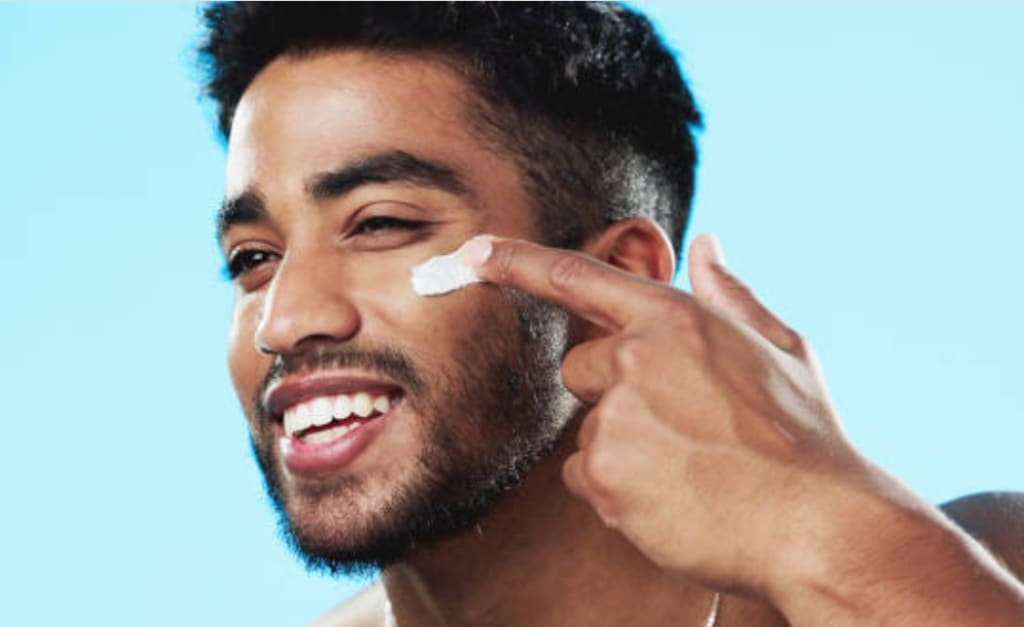
Achieving healthy, protected skin when you have an oily complexion can be a challenge. The wrong sunscreen can leave your skin looking shiny, feeling sticky, and even trigger breakouts. However, skipping sun protection is not an option, as harmful UV rays accelerate skin aging and increase the risk of skin cancer. The key is to choose a sunscreen specifically formulated for oily skin—lightweight, non-comedogenic, and mattifying. In this guide, we'll explore why oily skin needs special sunscreen and highlight the best characteristics to look for in a non-greasy formula.
Why Oily Skin Needs a Special Sunscreen
If you have oily skin, using a generic sunscreen can often do more harm than good. Here’s why specialized sun protection is essential:
Prevents Clogged Pores and Breakouts
Regular sunscreens often contain thick, emollient ingredients that create an occlusive layer on the skin. While this may work for dry skin, it can suffocate oily skin, causing clogged pores and acne flare-ups. Specialized sunscreens for oily skin are typically non-comedogenic, meaning they won’t block pores or trigger breakouts.
Controls Excess Oil and Shine
Oily skin naturally produces more sebum, which can lead to a greasy sheen. Regular sunscreens often exacerbate this by adding a slick layer on top. Sunscreens designed for oily skin, however, are formulated with oil-absorbing particles or mattifying agents like silica, clay, or niacinamide to keep shine at bay throughout the day.
Ensures Lightweight, Breathable Protection
Heavy sunscreens can feel suffocating and uncomfortable on oily skin. Specially formulated ones use gel-based or water-based formulas that provide protection without weighing the skin down. These lightweight options allow the skin to breathe, preventing that sticky, greasy residue.
Key Ingredients to Look for in Sunscreen for Oily Skin
When shopping for sunscreen, ingredient selection is critical. Oily skin thrives with specific, skin-friendly components that offer protection without exacerbating oiliness.
Oil-Free and Non-Comedogenic
Look for sunscreens labeled “oil-free” and “non-comedogenic” to prevent clogging your pores. These formulations provide UV protection without adding excess oil, making them perfect for acne-prone and oily skin types.
Mattifying Agents
To keep your skin looking fresh, opt for sunscreens with mattifying agents such as:
Silica: Absorbs excess oil, leaving a matte finish.
Perlite: Derived from volcanic rock, it reduces shine and enhances skin texture.
Zinc Oxide: Besides its UV-blocking properties, it also helps control oil and soothe inflammation.
Broad-Spectrum SPF
Regardless of your skin type, always choose a sunscreen with broad-spectrum SPF (30 or higher) to shield your skin from both UVA (aging rays) and UVB (burning rays). For oily skin, SPF 30-50 offers optimal protection without heaviness.
Tips for Applying Sunscreen on Oily Skin
Even the best sunscreen won’t be effective if not applied correctly. Follow these tips to ensure maximum protection without a greasy feel:
Apply on Clean, Dry Skin
Start with a clean face, free of excess oil or dirt. Pat the skin dry before applying sunscreen to prevent product sliding or clumping.
Use the Right Amount
For your face and neck, use a nickel-sized amount. Insufficient application reduces the sunscreen’s effectiveness.
Wait Before Makeup Application
Let the sunscreen absorb for 5-10 minutes before applying makeup. This prevents pilling and ensures even protection.
Reapply Regularly
Oily skin can break down sunscreen faster due to excess sebum. Reapply every two hours, especially if you’re sweating or spending time outdoors.
Top Characteristics of Sunscreen for Oily Skin
When choosing sunscreen, look for these features to ensure it suits your skin type:
1. Lightweight and Fast-Absorbing
Gel-based or fluid-texture sunscreens absorb quickly, leaving no greasy residue. These are ideal for oily skin as they don’t create an additional slick layer.
2. Water-Resistant and Long-Lasting
Oily skin tends to dissolve sunscreen faster, especially in humid conditions. Opt for water-resistant formulas that offer long-lasting protection, even when sweating.
3. Fragrance-Free or Minimal Fragrance
Fragrances can irritate sensitive, acne-prone skin. Choose sunscreens with minimal or no fragrance to reduce the risk of irritation.
Common Sunscreen Mistakes to Avoid with Oily Skin
Even with the right product, certain application errors can compromise its effectiveness:
Skipping Moisturizer
Many people with oily skin avoid moisturizer, thinking it will worsen oiliness. However, skipping this step can dehydrate your skin, causing it to produce even more oil. Use an oil-free, lightweight moisturizer before applying sunscreen.
Using Too Little Product
A thin layer won’t provide full protection. Always apply a generous amount to cover all exposed areas.
Not Reapplying
Failing to reapply leads to patchy, uneven protection, making your skin vulnerable to UV damage. Keep a travel-sized sunscreen handy for touch-ups throughout the day.
Protect Your Skin with Confidence
Oily skin doesn’t have to mean greasy sun protection. By selecting a sunscreen specifically formulated for oily skin—lightweight, mattifying, and non-comedogenic—you can enjoy the outdoors without compromising your complexion.
For men seeking effective grooming solutions, White Wolf Men’s Grooming offers premium skincare products designed to keep your skin fresh, protected, and healthy. Embrace the sun with confidence—without the shine.
About the Creator
Keep reading
More stories from writers in Men and other communities.
💘💘"The Lost Arrow" 💘💘
1. Introduction – The Legend of the Arrow In the quiet village of Eldoria, where the mountains kissed the sky and rivers sang lullabies to the earth, there was a tale older than memory itself—the tale of the Lost Arrow. It was not just any arrow; it was said to possess a power that could guide its finder to their destiny. Some whispered that it could reveal hidden truths, others claimed it could change the course of fate. For generations, the arrow had vanished without a trace, leaving behind only a faint shimmer under the moonlight, a silent promise that one day, it would return to someone brave enough to seek it.
By Talha khan4 days ago in Men
DM Danny: How Discipline and Trust Built a Powerhouse in South Florida Real Estate
South Florida’s real estate market is fast-paced, competitive, and unforgiving. Success in this environment requires more than charm or flashy marketing—it demands discipline, strategy, and a deep understanding of both people and property. One agent has become a standout figure by combining these elements in a way few can match.
By Dena Falken Esq5 days ago in Men
Center Stage with Paul Stewart
*** I'm keen to republish the interviews I did for my series with Vocal creators. It's been a few years and I thought it might be nice to revisit these wonderful conversations. I'll be releasing them one at a time for a few weeks/months.
By Heather Hubler6 days ago in Interview



Comments