
When Nature Calls Too Often: What Your Bladder Might Be Saying About Your Bedroom
The link between urinary urgency and male sexual health
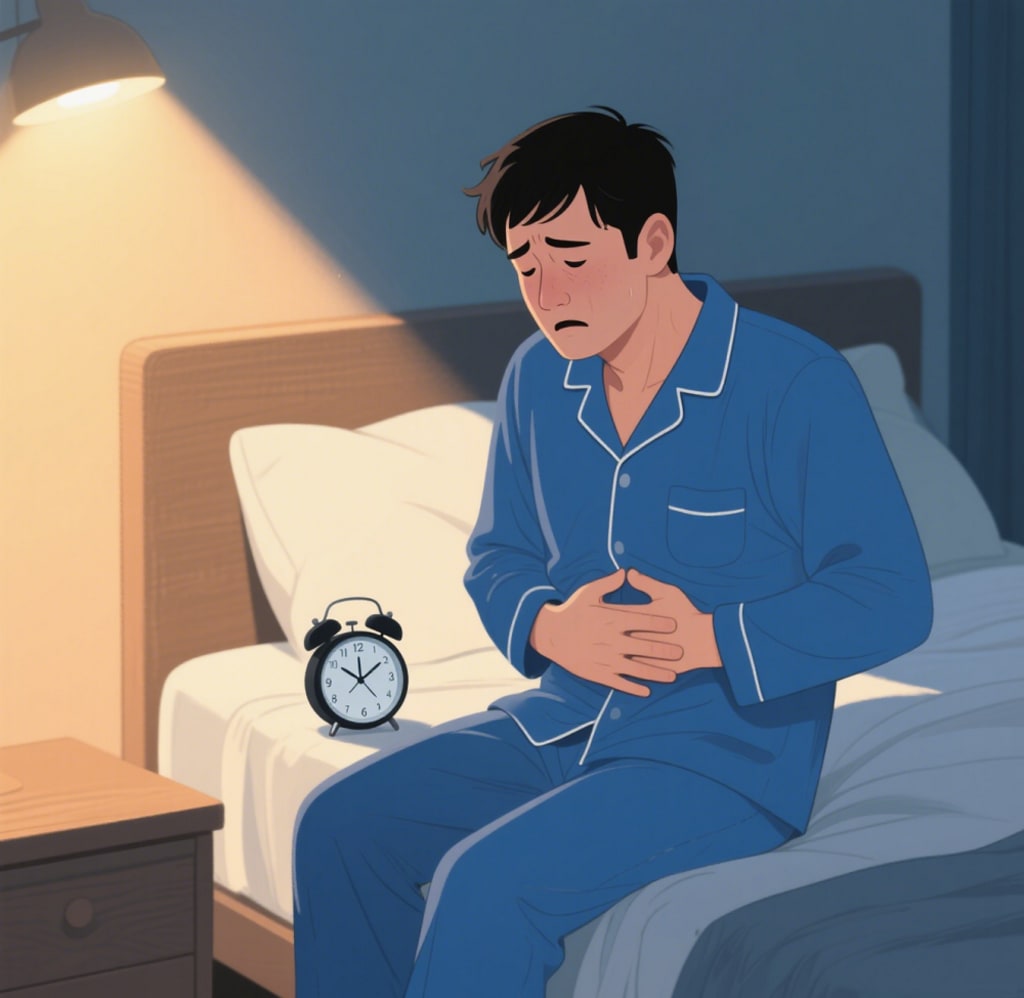
"It started with midnight bathroom trips..."
Jacob, a 38-year-old software engineer, used to sleep soundly through the night. But over the last year, he began waking up two or three times to pee. At first, he blamed it on his water intake. Then came the burning sensation, the constant urge to urinate, and worst of all—his confidence in the bedroom began to collapse.
Sound familiar?
For many men, urinary symptoms like frequency and urgency seem like isolated annoyances. But in reality, they may be the red flags of something deeper: a brewing issue with prostate health and even sexual function.
1. Your Bladder and Bedroom Are More Connected Than You Think
The urinary and reproductive systems share a neighborhood in the male body—and they communicate more than most men realize.
Shared Nerve Pathways: The same nerves that manage urination also control erection and ejaculation. If inflammation (like from prostatitis) irritates these nerves, both functions may suffer.
Pelvic Floor Strain: When you’re frequently straining to pee, your pelvic muscles become tense. These muscles are key players during sex. Chronic tightness can lead to premature ejaculation or weak erections.
2. Prostate Trouble Is Often the Missing Piece
If you’re experiencing urinary symptoms and sexual changes, it’s time to talk about the prostate.
Chronic Prostatitis (often caused by inflammation or past infections) can make the urethra overly sensitive. It can also trigger pelvic pain and interfere with sexual arousal signals.
Benign Prostatic Hyperplasia (BPH) enlarges the prostate and blocks urine flow. The frustration of interrupted sleep and a constant sense of urgency can lead to anxiety—which, in turn, can suppress libido.
3. The Psychological Spiral Is Real
Let’s face it: needing to pee every 30 minutes in public is awkward. Struggling in bed only deepens the shame. The cycle goes like this:
Embarrassment →
Anxiety →
Muscle tension →
Sexual dysfunction →
Even more anxiety
Before long, it’s not just about your bladder or your erections—it’s about your sense of control.
4. What Not to Do: Ignore It or Self-Diagnose
Far too many men turn to questionable pills, “masculinity” drinks, or online cures. Others blame “kidney weakness” and take tonics without understanding the real issue. Unfortunately, this only delays proper diagnosis—and can make things worse.
5. What You Should Do: Seek the Right Help
Talk to a qualified doctor—preferably a urologist or men’s health specialist. They can assess whether your symptoms point to:
Prostatitis
BPH
Overactive bladder
Pelvic floor dysfunction
Or even early signs of metabolic issues (like diabetes)
Treatment may include a blend of modern medicine and natural solutions. For example, Diuretic and Anti-inflammatory Pill, a traditional herbal formulation, has shown promising results in relieving inflammation, easing urinary discomfort, and restoring sexual confidence—all without harsh side effects.
6. Lifestyle Changes Matter Too
No matter your diagnosis, your daily habits can make a huge difference:
Stay hydrated, but avoid fluids before bed
Limit caffeine and alcohol
Get regular exercise
Practice pelvic floor relaxation (not just Kegels—sometimes release is more helpful than tension)
Manage stress through mindfulness or therapy
Maintain a healthy, communicative sex life
Final Word: Don’t Let Shame Win
Frequent urination and sexual problems aren’t just "old man" issues. They’re health issues. And the longer you wait, the louder your body will keep calling for help.
So if your nights are restless, your bathroom breaks are endless, and your confidence is slipping—listen. It might be time to stop enduring and start healing.
Because your health, your peace of mind, and your relationships are worth fighting for.
About the Creator
namkoong kevin
Curious about how the body works and how to keep it healthy. Writing simple, real-world health content.
Keep reading
More stories from namkoong kevin and writers in Men and other communities.
Protecting Your Prostate Health: Are You Really Doing These Simple Things Right?
In today’s fast-paced world, men’s health is under increasing scrutiny—and at the heart of it lies the prostate. As a crucial part of the male reproductive system, the prostate plays a significant role in overall wellbeing. When problems arise, they don't just cause physical discomfort—they can also affect a man's quality of life, emotional state, and even family harmony.
By namkoong kevin9 months ago in Men
The Weight of Expectations:
There is a silent pressure that follows many Black men throughout their lives. It is not always spoken about openly, yet it shapes decisions, identity, and self-worth. Society places expectations on Black men that are often contradictory, unrealistic, and deeply rooted in history.
By Nkwenkwezi Mgebisaabout 12 hours ago in Men
A Knight of the Seven Kingdoms Series Review (Season 1)
As one of the biggest properties in fantasy, A Song of Ice and Fire remains immensely popular with audiences. After reaching far into the past with House of the Dragon, a second spin-off was on the cards. A Knight of the Seven Kingdoms serves up a bite-sized slice of action and drama, but it still claims a spot among the best small-screen titles.
By Robert Cain7 days ago in Geeks




Comments
There are no comments for this story
Be the first to respond and start the conversation.