
When Healthy Foods Turn Harmful: Understanding Food-Drug Interactions
How Everyday Diet Staples Can Affect the Efficacy and Safety of Prescription Medications

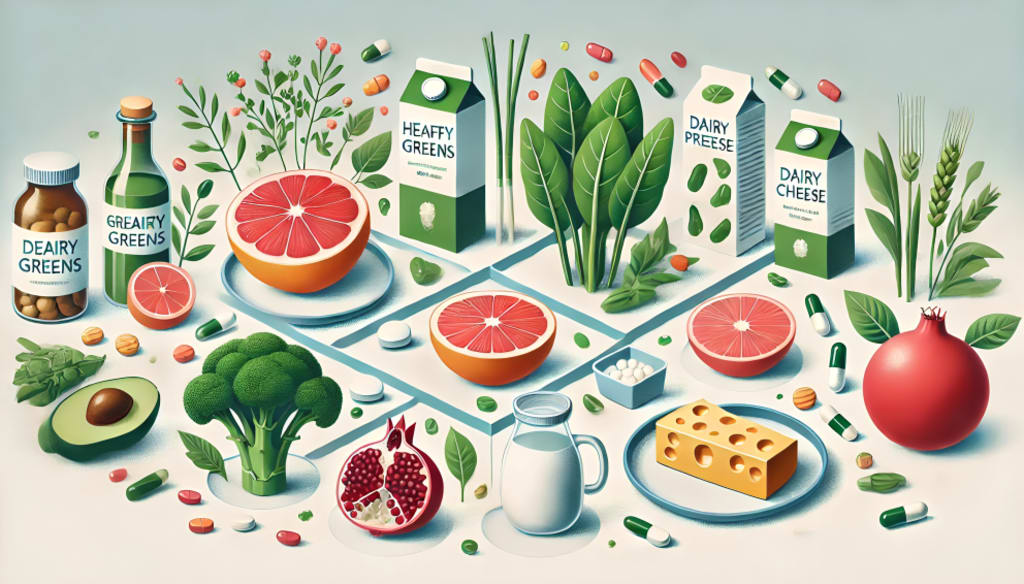
Healthy diet staples that could interact with prescription drugs
Although a healthy diet is essential for general well-being, some of the most common nutritional foods sometimes interact with prescribed drugs. These interactions may either increase or decrease the strength of drugs in the body. In some cases, they may even trigger adverse reactions. Here are five common household staples that have been known to affect medications, coupled with advice on how to ensure safe management:
1. Grapefruit and Grapefruit Juice Grapefruit is a fruit that interferes with many drugs. The underlying mechanism of this interference is that the compounds present in grapefruit are inhibitors of some enzymes of the liver and the intestines that metabolize some drugs. This may cause a drug concentration buildup in the blood that may increase the risk of side effects or even toxicity.
Medications affected include:
- Statins (such as atorvastatin, and simvastatin): High drug levels can lead to muscle pain, liver damage, or other issues.
- Calcium Channel Blockers (such as nifedipine): Greater effects can lead to severely low blood pressure.
- Immunosuppressants(such as cyclosporine): Increased levels can cause liver or kidney damage.
If you are on any of these drugs, you should discuss the issue with your treating physician about grapefruit or grapefruit juice. In some cases, a viable alternative is switching to an alternative non-grapefruit-interacting drug.
2. Leafy Green Vegetables
These are spinach, kale, and broccoli which are high in vitamin K. This vitamin is necessary to allow for blood clotting. It therefore complicates the situation for patients on anticoagulants such as warfarin, which functions by making the blood unable to coagulate appropriately. The whole point of taking it in is defeated.
Medications affected include:
- Warfarin: Consistently high or highly fluctuating vitamin K can inhibit the warfarin dose making it possible for blood clots to increase
Action to take: Don't just exclude leafy green vegetables entirely; instead, try as much to ensure that intake remains at a level with which the health care practitioner is in an excellent position to adjust warfarin to what is prescribed.
Always share information about changing food habits and
3. Dairy Products
Dairy products are high in calcium, a mineral that is important for the health of bones and teeth. Calcium can bind to some medications in the stomach, reducing their absorption and therefore their effectiveness. This is particularly true for some antibiotics.
Medications affected include:
- Tetracyclines (e.g., doxycycline): Reduced absorption can lead to treatment failure.
- Quinolones (e.g., ciprofloxacin): Calcium can similarly hinder the drug's absorption.
What to do:
Take these antibiotics two hours before or four hours after taking dairy products to avoid interactions.
4. Pomegranate and Cranberry Juice
Like grapefruit, pomegranate and cranberry juices interact with the liver enzymes that metabolize some drugs. For instance, pomegranate juice interacts with warfarin, but cranberry juice increases the risk of bleeding since it prolongs the effect of the drug on blood thinning.
Affected Medications include:
- Warfarin: Both may interfere with it, too much of either may lead to severe bleeding or clotting.
What to do: Talk to your prescriber about what you will be taking if you are on warfarin. They can adjust your dosages or recommend against certain juices while still recommending the safer ones to consume instead.
5. Tyramine-containing Foods
Tyramine is an amino acid found in aged cheeses, cured meats, fermented foods, and some alcoholic beverages. It's usually safe for most people, but severe reactions happen in people on certain antidepressants. Monoamine oxidase inhibitors prevent the degradation of tyramine, which is dangerous because large amounts can produce high blood pressure.
The following medications are affected:
- MAOIs (for example, phenelzine, tranylcypromine): This increases the chance of hypertensive crisis because blood pressure can surge very quickly.
What to do:
For the individual who takes MAOIs, it is best to avoid altogether tyramine-containing foods. Always remember to read the labels of food very well and to get an exhaustive list of avoidances from your health care provider.
General Advice on the Management of Food-Drug Interactions
- Talk Diet with Doctor or Pharmacist: Always discuss diet with your doctor or pharmacist in case you have started a new medication. This will help identify all possible interactions that may occur between the drug and your diet. They will therefore be able to help you find another alternative.
- Some of these prescriptions may have food-drug interaction warnings or restrictions on dietary allowances, which are usually indicated in prescription labels or information leaflets.
- Dietary Consistency: For medications affected by some nutrients (like warfarin and vitamin K), your intake of these nutrients must be kept relatively constant. Changes can sometimes impact the efficacy of your medication.
- Timing Is Everything: If the interaction is with absorption (for example, calcium and antibiotics), change the timing of your meal or medication according to recommendations.
- Adverse Events Monitoring Be sensitive to the side effects that manifest through the consumption of certain foods and promptly communicate them with your healthcare professional.
Conclusion
Understanding what interactions exist between good food and prescribed medicine can have an impact both in terms of treatment effectiveness as well as on the safety with which it may be carried out. Healthy foods are green leafy veggies, dairy, and fruit juice, very beneficial but unpredictably interact with drugs. Knowledge combined with the healthcare provider is essential in continuing to have a well-balanced diet that will ensure health rather than potentially being a cause of risk. Always remember: for those on prescribed drugs, seek consultation with a medical professional before making changes in diet.
About the Creator
GAURAV MEWAL
Gaurav Mewal is a professional article writer known for crafting engaging, well-researched, and versatile content across various topics. He delivers high-quality articles tailored to meet client needs with precision and creativity.
Keep reading
More stories from GAURAV MEWAL and writers in Men and other communities.
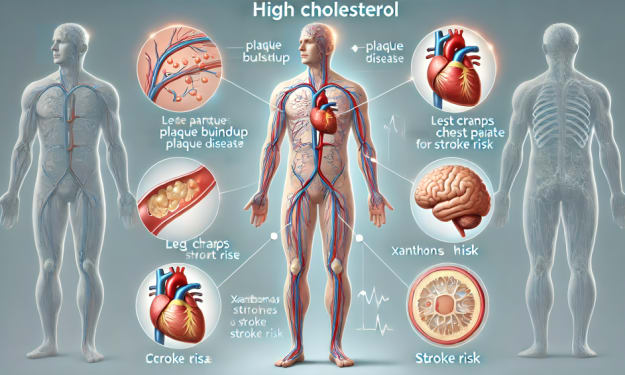
Silent Killer: Understanding High Cholesterol
High cholesterol is often called a silent killer because it rarely shows obvious symptoms until it has led to serious complications such as heart attacks or strokes. Understanding its risks and prevention is vital for a healthier life.
By GAURAV MEWALabout a year ago in Men
10 Things That Can Change Your Life in Six Months If You Stay Consistent
1. Remove Harmful Distractions One of the biggest productivity killers today is constant distraction. Porn, excessive social media, and mindless entertainment steal hours from your day without giving anything meaningful in return. These habits may seem harmless at first, but over time they slowly drain your focus, motivation, and energy.
By The Curious Writer5 days ago in Men


Comments
There are no comments for this story
Be the first to respond and start the conversation.