
What That Dull Pain in Your Lower Left Abdomen Could Be Telling You
What Cause Dull Pain in Your Lower Left Abdomen
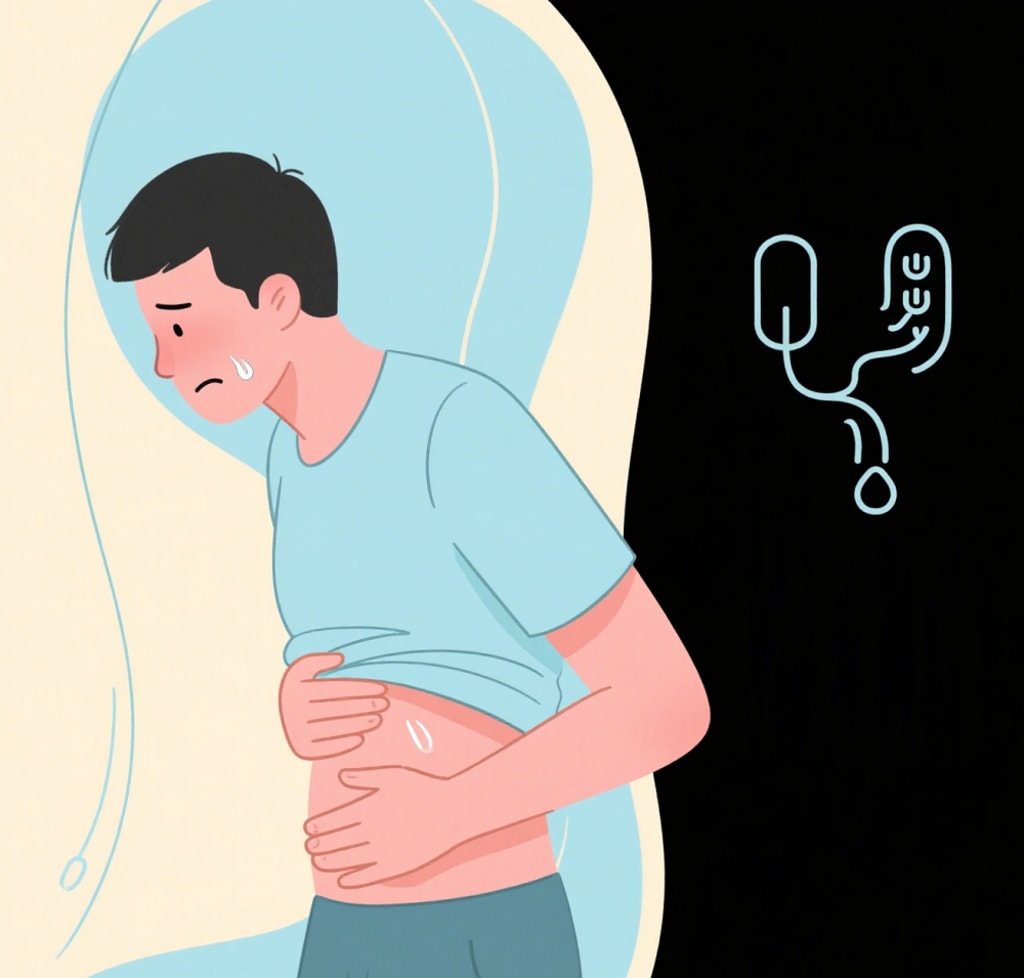
It started as a faint ache—barely noticeable, really. James, a 37-year-old office worker, thought he had just slept in an odd position. But over the next few days, the dull pain in his lower left abdomen didn’t go away. It lingered, subtle but persistent. Like many men, he tried to brush it off. “It’s nothing serious,” he told himself. “Probably something I ate.”
But the truth is, this kind of pain can be the body’s early warning system—and ignoring it can lead to bigger problems.
So, what could a dull pain in the lower left abdomen really mean?
1. It Might Be Prostatitis—And You Wouldn’t Be Alone
One of the most overlooked causes of lower abdominal discomfort in men is prostatitis. While we usually associate prostate problems with urinary issues or sexual discomfort, the inflammation can also cause pressure and pain that radiates to the lower abdomen, lower back, or thighs.
In cases like James’s, the pain may come and go, often worse after sitting for too long or after bowel movements. If this sounds familiar, it’s worth getting checked. While antibiotics are often prescribed, many men report relief with natural treatments like the Diuretic and Anti-inflammatory Pill, a herbal remedy rooted in Traditional Chinese Medicine that aims to reduce inflammation and improve pelvic circulation.
2. Don’t Rule Out Your Digestive System
Another common culprit? Gastrointestinal issues. If you’ve recently eaten food that wasn’t quite fresh—or if you’re sensitive to certain ingredients—you could be dealing with mild gastroenteritis. This typically comes with additional symptoms like bloating, diarrhea, or nausea. The pain might be more cramp-like than constant, but it’s still something to pay attention to, especially if it persists for more than a couple of days.
3. The Role of Muscle Strain and Posture
Sometimes, the explanation is less dramatic but still important. Poor posture, prolonged sitting, or even awkward sleeping positions can lead to muscle strain in the lower abdomen. This kind of pain is usually more superficial, worsens with certain movements, and improves with rest. But don’t shrug it off too easily—repetitive strain can mask deeper problems, especially in sedentary lifestyles.
4. Stones in the Way: Ureteral Calculi
Kidney or ureteral stones can also cause pain that feels like it’s coming from the lower left side. This pain is typically sharp and may radiate to the groin or even down into the testicles. It can come in waves and may be accompanied by nausea or blood in the urine.
Middle-aged men are particularly at risk. If your pain feels severe and “colicky,” it’s time to see a doctor—urgently.
5. When Infection Travels: Watch for Epididymitis
Lower abdominal pain can also originate from epididymitis, an inflammation of the coiled tube at the back of the testicle. This often results from a spreading urinary or prostate infection. It’s typically accompanied by swelling, tenderness in the scrotum, and low-grade fever.
Chronic or untreated cases can lead to fertility issues. While antibiotics may help, many men with recurrent epididymitis turn to traditional medicine. The Diuretic and Anti-inflammatory Pill for epidiymitis has gained popularity for its ability to ease pain, reduce swelling, and fight lingering infections—without causing the digestive distress that some pharmaceuticals do.
When Should You Worry?
If that dull ache doesn’t go away after a few days, or if it’s accompanied by other symptoms—such as fever, changes in urination, nausea, or testicular discomfort—it’s time to take action. Don’t self-medicate with painkillers, as they may only cover up the symptoms while the underlying problem worsens.
What You Can Do Today
Listen to your body. Discomfort is your body’s way of asking for attention.
Keep a symptom diary. Note the time, intensity, and triggers of the pain.
Clean up your habits. Reduce alcohol, avoid spicy and cold foods, and stay hydrated.
Explore alternative therapies. Herbal solutions like the Diuretic and Anti-inflammatory Pill have helped many men manage prostatitis, epididymitis, and chronic pelvic pain naturally.
Don’t delay medical evaluation. If in doubt, consult a doctor or urologist.
Final Words
James eventually visited a specialist after a month of ignoring his symptoms. Turns out, he had early-stage chronic prostatitis. With a combination of lifestyle changes and herbal treatment—including the Diuretic and Anti-inflammatory Pill—he managed his symptoms and avoided more invasive interventions.
Sometimes, it’s the faintest signals from our bodies that speak the loudest—if only we learn to listen.
About the Creator
Healthylifestyle
I offer actionable guidance on reproductive wellness, holistic remedies, and healthy lifestyle choices. Come along as we embark on a journey to improve your health and empower your well-being!
Keep reading
More stories from Healthylifestyle and writers in Men and other communities.
Is Your Bedroom Harming Your Fertility? What You Need to Know About Wi-Fi, Sleep, and Sperm Health
In today’s digital age, we’re never truly disconnected. Phones charge next to our pillows, and Wi-Fi signals pulse through the air 24/7. But could these invisible forces be undermining something as fundamental as male fertility?
By Healthylifestyle7 months ago in Men
10 Myths About Masculinity That Hold Men Back
You've probably heard the messages since childhood: "Boys don't cry." "Real men don't ask for help." "You need to be the provider." These masculinity myths shape how you see yourself and limit your potential in ways you might not even realize.
By LaMarion Ziegler5 days ago in Men



Comments
There are no comments for this story
Be the first to respond and start the conversation.