
What Painful Urination Might Say About Your Prostate Health
Painful Urination Might Say About Your Prostate Health

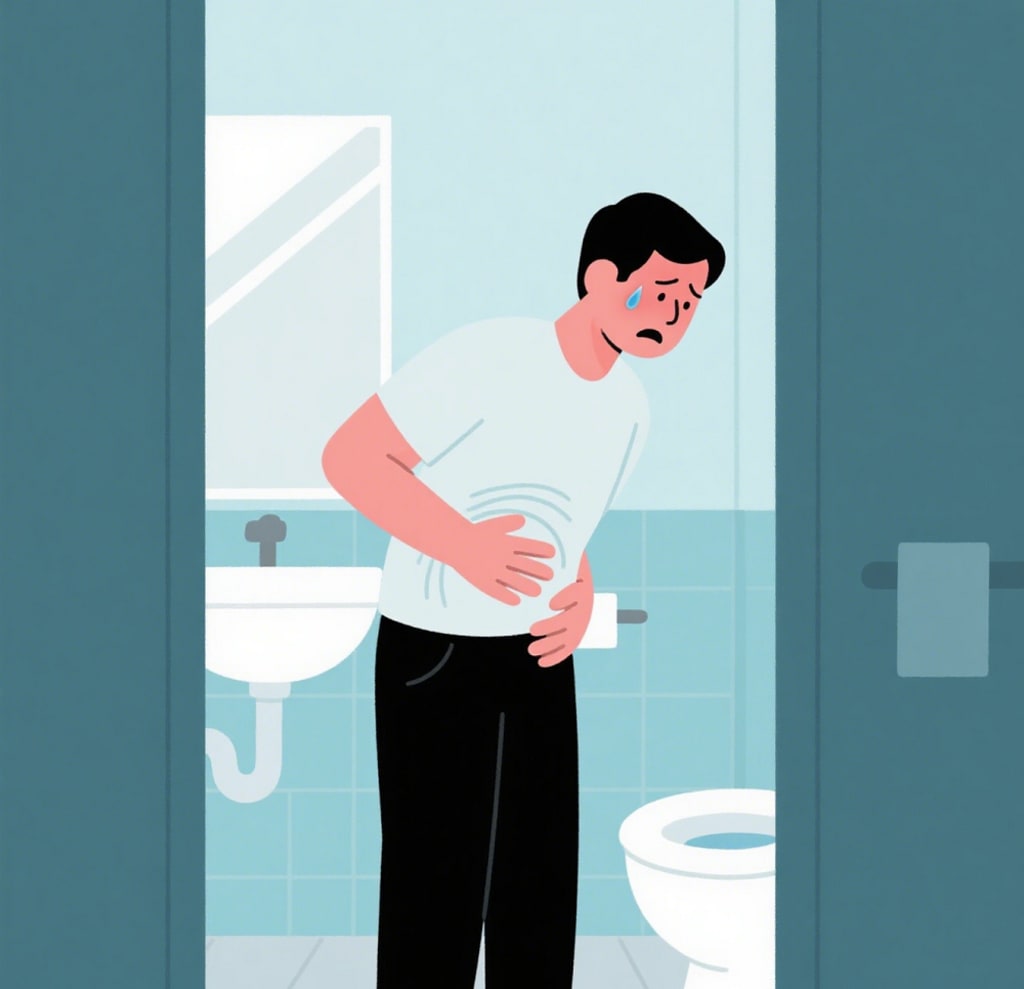
“At first, it was just a slight burning feeling… then came the urgency, the discomfort, and sleepless nights.”
Many men ignore the early signs of prostatitis, brushing off discomfort as something temporary. But when urination becomes painful or unpredictable, your body may be signaling a deeper issue.
Let’s face it: urinary pain isn’t just physical. It brings anxiety, frustration, and even embarrassment. So, how can you tell if it’s just a minor infection—or if your prostate is the real issue?
Let’s decode the signs.
Understanding Painful Urination: More Than Just a Symptom
Painful urination, or dysuria, is not a disease in itself—it's a symptom. And in men, it's often associated with prostatitis, especially when accompanied by other urinary or pelvic issues.
The prostate sits just below the bladder and surrounds part of the urethra. When inflamed, it can directly affect urination, leading to burning, stinging, or even radiating pain in the lower abdomen and groin.
But here’s where it gets tricky: not all prostate problems scream for attention. Some creep in silently, building up over weeks or months.
Signs Your Prostate May Be the Problem
If you’re noticing one or more of these symptoms, it might be time to check in with your doctor:
🔹 Frequent urination, especially at night
🔹 A burning sensation or sharp pain while urinating
🔹 Dribbling or a weak stream
🔹 A feeling of incomplete emptying
🔹 Discomfort in the perineum, scrotum, or lower back
🔹 Pain during or after ejaculation
🔹 A decline in sexual performance or libido
While some of these may also point to urinary tract infections, prostatitis often presents as a combination of these issues, lasting weeks or even longer.
Why Does Prostatitis Hurt?
There are two main reasons prostatitis leads to painful urination:
Urethral Inflammation:
When the prostate is inflamed, bacteria or immune responses can travel to the urethra, damaging its lining and making urination feel like passing fire.
Nerve Sensitization:
The prostate shares nerve pathways with nearby organs. Inflammation can irritate these nerves, making pain radiate to the pelvis, bladder, and even legs.
The Psychological Toll: Not Just a Physical Problem
Chronic prostatitis doesn’t just affect the body—it can severely impact mental health. Patients often report:
Difficulty focusing
Anxiety about bathroom access
Reduced self-confidence in relationships
Feelings of isolation
This makes early recognition and proper care all the more crucial.
A Natural Approach: Managing Symptoms Without Antibiotics
While many men turn to antibiotics, chronic prostatitis often doesn’t respond well to long-term antibiotic therapy. That’s where natural herbal medicine comes into play.
One promising option is the Diuretic and Anti-inflammatory Pill, a Traditional Chinese Medicine formula developed for male urogenital issues. This herbal remedy is known to:
Reduce inflammation and pain
Promote smooth urination
Improve blood flow in the pelvic region
Relieve radiating discomfort from the prostate
Made from time-tested herbs like plantain seed, houttuynia cordata, red peony root, and peach kernel, the formula targets the root causes of pain and irritation—without the harsh side effects of synthetic drugs.
What You Can Do Starting Today
If you’re struggling with symptoms but haven’t taken action yet, here are a few things you can start doing now:
✔ Hydrate Wisely
Drink enough water—but avoid caffeine, alcohol, and spicy foods that can worsen irritation.
✔ Move Regularly
Avoid sitting for long hours. Movement improves pelvic circulation and reduces prostate congestion.
✔ Practice Mind-Body Care
Prostatitis can trigger emotional stress. Consider mindfulness practices or light yoga to stay centered.
✔ See a Professional
Don’t self-diagnose. Only a medical evaluation—such as a digital rectal exam or urine test—can confirm prostatitis.
Final Thoughts: Listen to What Your Body Is Telling You
Painful urination isn't just an inconvenience—it could be a sign your prostate is inflamed and needs attention. Ignoring it won’t make it disappear, and acting early can make all the difference.
And if you’re looking for a gentle yet effective option, the Diuretic and Anti-inflammatory Pill may be the herbal solution your body is asking for.
Because your health matters. And so does your peace of mind.
About the Creator
Men's Health
Sharing valuable insights on men's health—covering everything from wellness tips to common health concerns. Stay informed and take control of your well-being!
Keep reading
More stories from Men's Health and writers in Men and other communities.
Center Stage with Paul Stewart
*** I'm keen to republish the interviews I did for my series with Vocal creators. It's been a few years and I thought it might be nice to revisit these wonderful conversations. I'll be releasing them one at a time for a few weeks/months.
By Heather Hubler3 days ago in Interview



Comments (1)
I had similar symptoms once. Ignoring them was a mistake. Gotta pay attention to these signs and see a doc if they show up.