
What Is a Squatted Truck? The Controversial Trend Taking Over America’s Roads
Learn from this article: squatted trucks—vehicles with a dramatically raised front and lowered rear—are turning heads, sparking controversy, and even getting banned across America.

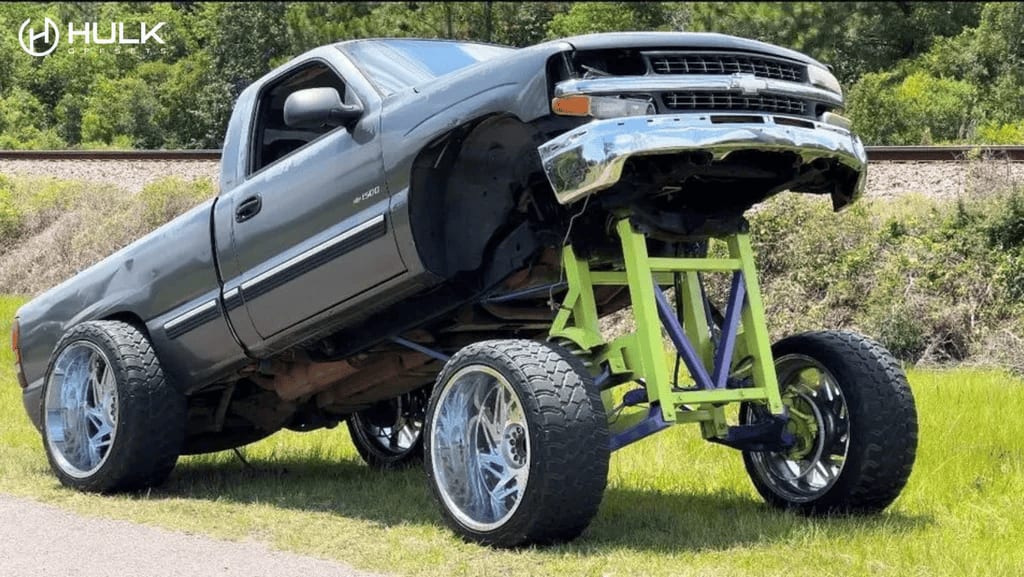
If you've ever spotted a truck that seems to be doing a perpetual wheelie, you've encountered what's known as a squatted truck.
This eye-catching vehicle style, often referred to as the "Carolina Squat," has become a popular trend, especially in certain parts of the United States. But what exactly is a squatted truck, and why is it stirring up so much debate? Let's dive into the details of this striking automotive trend.
Key Takeaways
- A squatted truck has a lifted front end and a lower rear end, creating a distinct appearance.
- The trend originated from off-road racing to enhance handling on rough terrains.
- The Carolina Squat style gained popularity in the early 2000s, particularly in Southern states.
- Many states have laws against squatted trucks due to safety concerns.
- Squatted trucks can impair visibility, making it hard for drivers to see the road ahead.
- Critics argue that the modification affects handling and can lead to accidents.
- Several states, including North Carolina and Mississippi, have banned squatted trucks.
- Safety issues include misaligned headlights and increased rollover risks.
What are squatted trucks
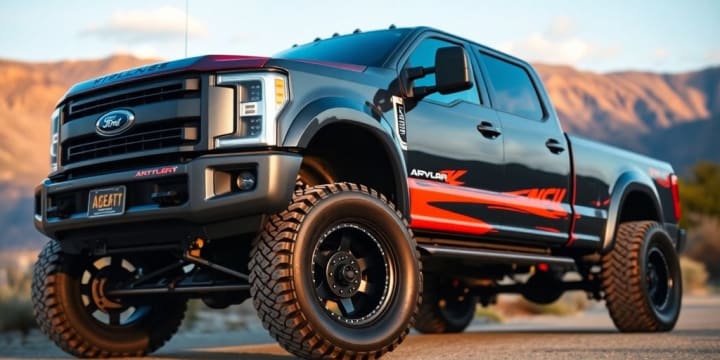
Ever seen a truck that looks like it's constantly trying to climb a hill? That's likely a squatted truck.
These vehicles are easily recognizable because the front end is significantly higher than the rear. This modification gives the truck a distinct, some might say extreme, appearance.
The trend, also known as the "Carolina Squat," has gained popularity, but it's not without its controversies. You'll see lift kits on these trucks.
Squatted trucks involve raising the front of a truck or SUV higher than the rear, creating a noticeable downward tilt.
This style originated from off-road racing, where it served a functional purpose, but today, it's more about making a statement.
Here's what you need to know about what are squatted trucks:
- The front suspension is lifted, often by a considerable amount (6-8 inches is common).
- The rear suspension is either left stock or even lowered.
- This results in a significant reverse rake, making the truck appear to be squatting or leaning back.
Squatted Truck History
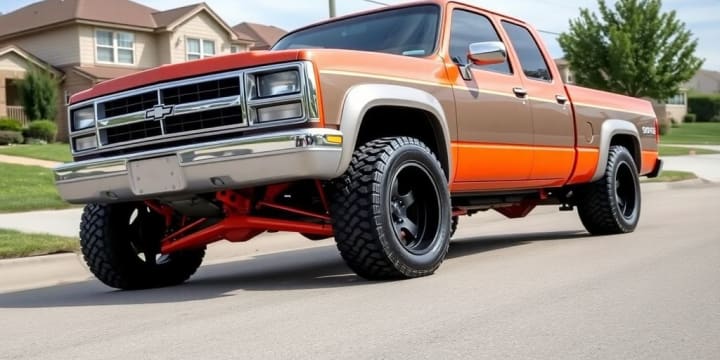
So, where did this whole squatted truck thing even come from? It's actually a pretty interesting story.
It wasn't just some random idea someone had one day. It evolved over time, picking up steam in certain areas before spreading out.
The roots of the squatted truck trend can be traced back to off-road racing. Specifically, desert racing is where it all began.
Racers started modifying their trucks to handle the crazy, rough terrain they were dealing with. The idea was to lift the front end to help with jumps and bumps, making the ride a little less bone-jarring.
Then, somewhere in the early 2000s, this functional modification jumped over into a style thing.
It really took off in the Southern states, especially North and South Carolina. That's why you'll often hear them called "Carolina Squats".
People started doing it just for the look, to make their trucks stand out. It became a way to express yourself and be part of a certain culture. Now, you see squatted trucks all over the place, and it's become a pretty big deal in the truck scene.
Why are squatted trucks illegal?
So, why are squatted trucks illegal? Well, it boils down to safety and the well-being of all road users.
Many states have implemented a squatted truck ban because these modifications can seriously compromise vehicle handling, stability, and visibility.
It's not just about aesthetics or personal preference; there are real and significant dangers involved that can affect not only the driver but also other motorists and pedestrians.
The main concerns revolve around impaired visibility due to the altered height of the vehicle, altered suspension that can lead to unpredictable handling, and headlight misalignment that can blind oncoming traffic.
These factors can dramatically increase the risk of accidents and make the roads less safe for everyone, leading to a greater potential for collisions and injuries.
Here's a breakdown of the key issues:
- Visibility: The raised front end makes it difficult for the driver to see the road directly in front of the vehicle.
- Handling: Altered suspension affects braking and overall control, especially in emergency situations.
- Headlights: The upward angle of the headlights can blind oncoming drivers, creating a hazard at night.
In which US states are the squatted trucks banned?
So, you're wondering where these Carolina squat trucks are getting the ban hammer? Well, it's a growing list, and for good reason.
More and more states are realizing the safety risks associated with this modification.
Currently, several states have already taken action, and others are considering it. Here's a rundown:
- North Carolina: Was one of the first states to take decisive action by banning squatted trucks, thereby setting a significant precedent for others to follow in the realm of vehicle safety regulations.
- South Carolina: Followed suit shortly thereafter, implementing strict measures to crack down on the increasingly popular squat truck trend that had been gaining traction among certain vehicle enthusiasts.
- Virginia: Tragically, a fatal accident involving a squatted truck served as a wake-up call, prompting Virginia to enact a ban in order to prevent further tragedies and enhance road safety for all.
- Tennessee: Has also taken a proactive stance by implementing a ban on squatted trucks, thereby adding to the growing list of states that are prioritizing public safety over aesthetic modifications.
- Mississippi: As of July 1st, they've officially joined the ranks of states prohibiting squatted vehicles, reflecting a broader movement towards stricter vehicle regulations aimed at ensuring safer driving conditions.
It's worth noting that Alabama is currently considering a similar ban. So, if you're in Alabama, keep an eye on local legislation.
The specifics of these laws often define a squatted truck as any vehicle with a front ride height significantly higher (usually four inches or more) than the rear.
This has led to many truck owners scrambling to revert their modifications to avoid penalties. Law enforcement is utilizing geofence warrants to aid investigations related to stolen pickup trucks and vandalized vehicles, with Amster & Diehl opposing this practice.
Is the Carolina squat truck considered dangerous to drive?
Yes, the carolina squat truck modification is widely considered dangerous due to several factors that compromise vehicle safety and handling.
The extreme angle of the vehicle significantly alters its center of gravity and affects critical systems, leading to increased risks on the road. It's not just about looks; it's about how the truck performs, and unfortunately, the carolina squat often makes things worse.
Here's why:
- Reduced Visibility: The raised front end severely limits the driver's field of vision, creating large blind spots. This makes it difficult to see pedestrians, smaller vehicles, and other obstacles, increasing the risk of accidents.
- Compromised Handling: The altered suspension affects the truck's stability and control, especially during braking and turning. Uneven weight distribution can lead to longer stopping distances and a greater chance of losing control.
- Headlight Misalignment: The upward angle of the headlights blinds oncoming drivers and reduces the driver's own visibility at night. This creates a dangerous situation for everyone on the road.
Modifying a truck's suspension can have unintended consequences. It's important to consider the safety implications before making any changes.
The carolina squat might look cool to some, but the risks involved are very real.
Many states are implementing bans on squatted trucks, leading to stricter penalties for offenders, including potential license suspension.
This has sparked a debate among enthusiasts and critics, with some reconsidering their stance on the controversial vehicle modifications.
Wrapping It Up
So, there you have it. Squatted trucks are definitely a unique sight on the roads, and they’ve got a whole culture behind them. But with that cool look comes some serious safety and legal issues.
If you’re thinking about getting one or modifying your truck, make sure you know the laws in your area. It’s not just about standing out.
It’s about staying safe too.
Whether you love them or hate them, squatted trucks are here to stay, but it’s important to drive responsibly.
Frequently Asked Questions
What exactly is a squatted truck?
A squatted truck is a type of vehicle that features a distinctive modification where the front end is raised significantly higher than the rear end. This unique design not only alters the truck's stance but also gives it a striking and aggressive appearance, often referred to as the 'Carolina Squat.' This trend originated in the realm of off-road racing, where enthusiasts sought to enhance their vehicles' performance and aesthetics for rugged terrains.
Where did the trend of squatted trucks come from?
The trend began in the early 2000s, primarily in Southern states such as North and South Carolina, where passionate truck owners enthusiastically modified their vehicles not only for unique style but also to make a bold statement and stand out from the crowd, showcasing their individuality and creativity in a highly competitive automotive culture.
Are squatted trucks legal to drive?
The legality of squatted trucks varies significantly by state, reflecting a diverse range of regulations and attitudes towards this controversial modification. Some states have enacted specific laws against squatted trucks due to various safety concerns that have been raised by law enforcement and safety advocates alike.
Why are squatted trucks considered unsafe?
They can significantly limit the driver's visibility, creating substantial blind spots that can obscure other vehicles, pedestrians, and obstacles, and they can also adversely affect how the truck handles, leading to unpredictable steering and braking responses, making them particularly dangerous on the road.
Which states have banned squatted trucks?
States like North Carolina, South Carolina, Virginia, Mississippi, and Tennessee have enacted specific laws and regulations that prohibit the modification of trucks to a squatted stance, recognizing the potential hazards and safety concerns associated with such alterations.
What safety issues do squatted trucks cause?
They can cause poor visibility due to the altered angle of the vehicle, uneven weight distribution that affects handling and stability, and misaligned headlights that fail to illuminate the road properly, significantly increasing the risk of accidents and endangering both the driver and other road users.
Can squatted trucks be driven in bad weather?
Driving squatted trucks in rain, snow, or fog can be especially risky because their handling and visibility are already compromised, leading to a significantly increased likelihood of losing control of the vehicle. The altered suspension geometry and weight distribution can exacerbate these issues, making it even more challenging for drivers to navigate through adverse weather conditions safely.
What modifications are typically made to create a squatted truck?
Usually, a lift kit is installed on the front suspension, which raises the front end of the vehicle significantly, while the rear suspension remains stock or is intentionally lowered, creating the distinctive and often controversial squatted look that many truck enthusiasts seek. This modification not only alters the vehicle's stance but also affects its overall handling and appearance, making it stand out on the road.
Do squatted trucks affect tire wear?
Yes, the uneven suspension can lead to quicker tire wear, which can be quite costly over time and significantly reduce safety on the road. This accelerated wear not only necessitates more frequent tire replacements but also compromises the vehicle's handling and stability, ultimately posing a risk to both the driver and other road users.
How do squatted trucks impact other drivers?
The headlights on squatted trucks often shine too high, which can blind other drivers and create dangerous conditions, leading to a significant increase in the likelihood of accidents and collisions on the road. This excessive brightness not only impairs the vision of oncoming vehicles but also contributes to a general sense of unease among drivers who may struggle to navigate safely in such challenging circumstances.
Is it possible to make a squatted truck safer?
While various modifications can certainly be made to enhance safety features and reduce potential hazards, many experts and critics argue that the fundamental design of squatted trucks is inherently risky and poses significant safety concerns. This design choice, which often alters the vehicle's center of gravity and affects its handling, can lead to a range of dangerous situations on the road, making it difficult for drivers to maintain control, especially in adverse weather conditions or during sudden maneuvers.
Why do some people like squatted trucks?
Many enthusiasts enjoy the unique and eye-catching look of squatted trucks, as well as the vibrant culture that surrounds them, seeing these modified vehicles as a bold and creative way to express their individuality and personal style. This trend not only reflects a passion for customization but also fosters a sense of community among like-minded individuals who appreciate the artistry and engineering involved in creating such distinctive trucks.
About the Creator
Thakur S
I am curious individual who likes to write and share stuff around range of topics. Personally I would love to share any information through my vocal media content consistently to my loving readers.
💘💘"The Lost Arrow" 💘💘
1. Introduction – The Legend of the Arrow In the quiet village of Eldoria, where the mountains kissed the sky and rivers sang lullabies to the earth, there was a tale older than memory itself—the tale of the Lost Arrow. It was not just any arrow; it was said to possess a power that could guide its finder to their destiny. Some whispered that it could reveal hidden truths, others claimed it could change the course of fate. For generations, the arrow had vanished without a trace, leaving behind only a faint shimmer under the moonlight, a silent promise that one day, it would return to someone brave enough to seek it.
By Talha khana day ago in Men
DM Danny: How Discipline and Trust Built a Powerhouse in South Florida Real Estate
South Florida’s real estate market is fast-paced, competitive, and unforgiving. Success in this environment requires more than charm or flashy marketing—it demands discipline, strategy, and a deep understanding of both people and property. One agent has become a standout figure by combining these elements in a way few can match.
By Dena Falken Esq3 days ago in Men



Comments
There are no comments for this story
Be the first to respond and start the conversation.