
Understanding the Prostate Cancer Treatment Algorithm
A Step-by-Step Guide
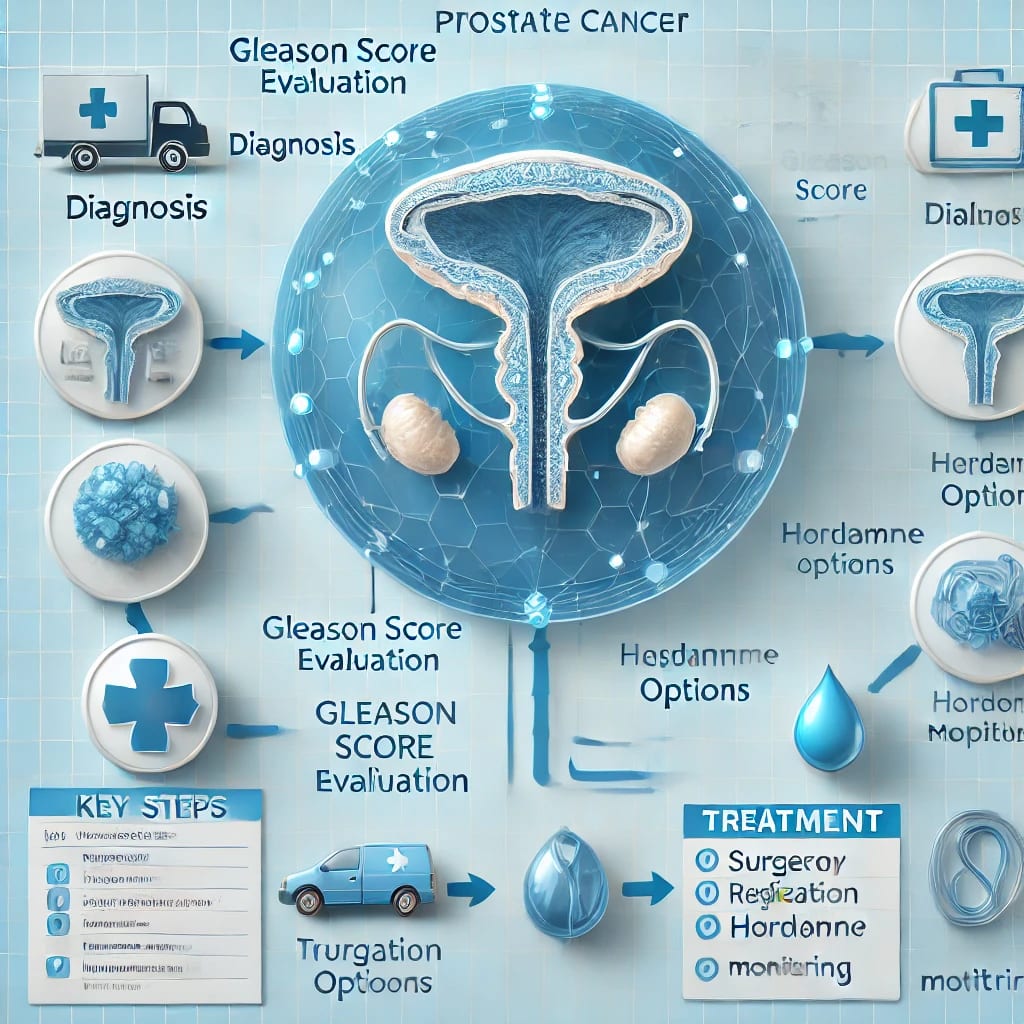
Prostate cancer is one of the most common types of cancer among men worldwide. When diagnosed with prostate cancer, one of the first steps in the treatment journey is understanding the prostate cancer treatment algorithm. This decision-making process helps doctors evaluate the best treatment options based on various factors, such as cancer stage, age, overall health, and personal preferences. This blog provides a detailed step-by-step guide to the prostate cancer treatment algorithm, helping you understand how each decision is made and why it matters.
The Prostate Cancer Treatment Algorithm Explained
The prostate cancer treatment algorithm is a decision-making framework that guides doctors in selecting the most appropriate treatment approach. This algorithm considers factors such as the grade of the tumor, how fast it is growing, whether it has spread, and the patient’s health. The main objective is to provide personalized treatment that will yield the best outcome while minimizing potential risks and side effects.
Understanding the prostate cancer treatment algorithm requires awareness of several key factors. These include cancer staging, the Gleason score, and the patient's general health and age. The results of these evaluations determine the treatment options, such as surgery, radiation therapy, and hormone therapy.
Step 1: Diagnosing and Staging Prostate Cancer
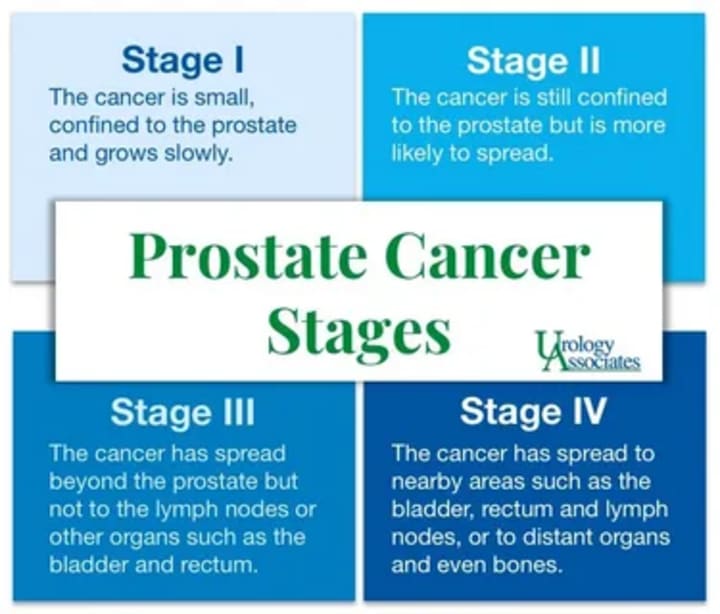
Before diving into treatment options, a proper diagnosis and staging are essential. Prostate cancer can be localized, locally advanced, or metastatic, meaning it can either remain confined to the prostate or spread to other parts of the body. The prostate cancer treatment algorithm begins with determining the cancer’s stage.
Staging involves a series of tests, including blood tests for prostate-specific antigen (PSA), digital rectal exams (DRE), biopsies, and imaging tests like MRI or CT scans. These tests help determine the extent of the cancer, guiding treatment decisions.
If the cancer is localized, it means it has not spread beyond the prostate. In such cases, the treatment options may include active surveillance, surgery, or radiation therapy. For locally advanced or metastatic cancer, treatment plans may involve hormone therapy, chemotherapy, or a combination of therapies.
Step 2: Determining the Gleason Score
The Gleason score is an essential factor in the prostate cancer treatment algorithm. This score assesses the aggressiveness of prostate cancer. During a biopsy, the pathologist examines the cancer cells under a microscope and grades them from 1 to 5, with 1 being the least aggressive and five being the most aggressive.
The Gleason score is determined by adding the two most common grades together. For example, if the most common grade is three and the second most common grade is 4, the Gleason score would be 7 (3+4). A score of 6 or lower typically indicates a slow-growing cancer, while a score of 8 or higher suggests a more aggressive form that may require more intensive treatment.
A higher Gleason score can indicate that the cancer may spread more quickly, influencing treatment options. More aggressive treatments like surgery or radiation therapy may be recommended, while lower-grade cancers might be managed with active surveillance.
Step 3: Considering the Patient's Age and Health
The prostate cancer treatment algorithm also heavily considers the patient's health and age. Older patients or those with underlying health issues may not be ideal candidates for aggressive treatments such as surgery. In these cases, less invasive options, like active surveillance, may be more appropriate.
Active surveillance involves closely monitoring the cancer with regular PSA tests and biopsies. More aggressive treatments can be considered if the tumor shows signs of growth or worsening. This approach is commonly used for patients with low-grade, localized prostate cancer who are older or have other health problems.
For younger and healthier patients, more aggressive treatment options may be considered to eliminate the cancer and prevent it from spreading.
Step 4: Exploring Treatment Options
Once the cancer's stage, Gleason score, and the patient’s health are assessed, the prostate cancer treatment algorithm suggests the best treatment options. The main treatments for prostate cancer include:
Surgery – A prostatectomy, which involves the removal of the prostate, is typically recommended for localized prostate cancer. For patients with low-grade cancer and no signs of spread, this can be a practical option.
Radiation Therapy can be used as an alternative to surgery or in conjunction with it, especially for localized cancers that have spread to nearby tissues. It can also be used in cases of recurrent cancer.
Hormone Therapy – Often used for metastatic prostate cancer, hormone therapy works by reducing the levels of testosterone, a hormone that prostate cancer cells need to grow.
Chemotherapy – In more advanced cases where the cancer has spread, chemotherapy may be recommended to control the cancer’s growth.
Immunotherapy – This newer treatment option helps the body’s immune system recognize and attack cancer cells.
Cryotherapy and High-Intensity Focused Ultrasound (HIFU) – These treatments may be options for localized prostate cancer, especially if surgery and radiation are not suitable for the patient.
The prostate cancer treatment algorithm suggests a course of treatment based on these options, but the patient’s preferences and lifestyle also play a significant role. Doctors and patients must discuss potential side effects and treatment goals openly.
Step 5: Monitoring Progress and Adjusting Treatment
Once a treatment plan is in place, the prostate cancer treatment algorithm doesn’t end there. Prostate cancer treatments require continuous monitoring to evaluate effectiveness and identify potential complications. PSA tests, regular imaging, and follow-up visits are crucial to ensure the treatment works as expected.
If the cancer recurs or spreads, additional treatments may be necessary. Sometimes, treatment regimens need to be adjusted based on the patient's response to therapy.
FAQs About Prostate Cancer Treatment Algorithm
1. What factors influence the treatment of prostate cancer?
The treatment of prostate cancer is influenced by the stage of cancer, Gleason score, the patient's age, overall health, and personal preferences.
2. How is the Gleason score determined?
The Gleason score is determined by evaluating the most common and second most common cancer grades observed in a biopsy, which are then added together to form a score.
3. What treatment options are available for prostate cancer?
Treatment options include surgery, radiation therapy, hormone therapy, chemotherapy, and newer treatments like immunotherapy and cryotherapy.
4. How is prostate cancer staged?
Prostate cancer is staged based on the results of PSA tests, biopsies, and imaging tests like MRIs and CT scans, which help determine if the cancer has spread.
5. Can active surveillance be an effective treatment?
Active surveillance can be an effective treatment for low-risk prostate cancer, especially in older patients or those with other health issues. It involves monitoring the cancer closely and treating it only if necessary.
6. How often should prostate cancer be monitored after treatment?
Regular PSA tests and follow-up visits are essential to monitor treatment effectiveness and detect any cancer recurrence. The frequency of monitoring depends on the individual case and treatment type.
Conclusion
The prostate cancer treatment algorithm is a detailed, step-by-step guide that helps doctors navigate the complex decision-making process of treating prostate cancer. Each step is tailored to the individual, considering the type of cancer, its stage, the patient's age, and overall health. By understanding this process, patients can make informed decisions about their treatment options and feel more empowered during their cancer journey.
About the Creator
Keep reading
More stories from oncbrothers and writers in Men and other communities.
Cost of Visiting a Hematologist Oncologist Near Me:
Finding the right medical help is crucial when you're dealing with a potential blood disorder or cancer diagnosis. If you're looking to consult a hematologist oncologist near me, you're likely concerned about the visit's cost. Understanding the expenses of seeing a specialist can help you prepare for your medical journey.
By oncbrothersabout a year ago in Humans
Prostate Paradox: Why Your Bedroom Rhythm Matters More Than You Think
It used to be a whisper in the locker room—the "unspeakable" trouble. But today, prostate issues have become as common among men as the seasonal flu. Whether it’s that nagging urge to visit the bathroom frequently, a sudden urgency, or a dull ache in the lower abdomen, these symptoms are no longer just an "old man's problem."
By Amanda Chou3 days ago in Men
Constant Urgency and Pelvic Aches? A Gentleman’s Guide to Calming the Prostate
If you are reading this, you probably know the feeling all too well. It’s that nagging sense of urgency that hits you right when you’re trying to focus in a meeting. It’s the disruption of waking up three times a night, shattering your sleep quality. Or perhaps it’s that dull, vague ache in the pelvic region that just won’t seem to go away.
By Men's Health2 days ago in Men



Comments
There are no comments for this story
Be the first to respond and start the conversation.