
Toxic Masculinity in the Modern Age: Breaking the Cycle of Harmful Stereotypes
What is toxic masculinity?
Introduction:
Toxic masculinity, a term used to describe harmful behaviors and attitudes associated with traditional masculinity, remains a prevalent issue in the modern age. In this essay, we will explore the manifestations and consequences of toxic masculinity, examine its roots in societal norms, and discuss the importance of challenging and redefining masculinity for a healthier and more inclusive society.
Defining Toxic Masculinity:
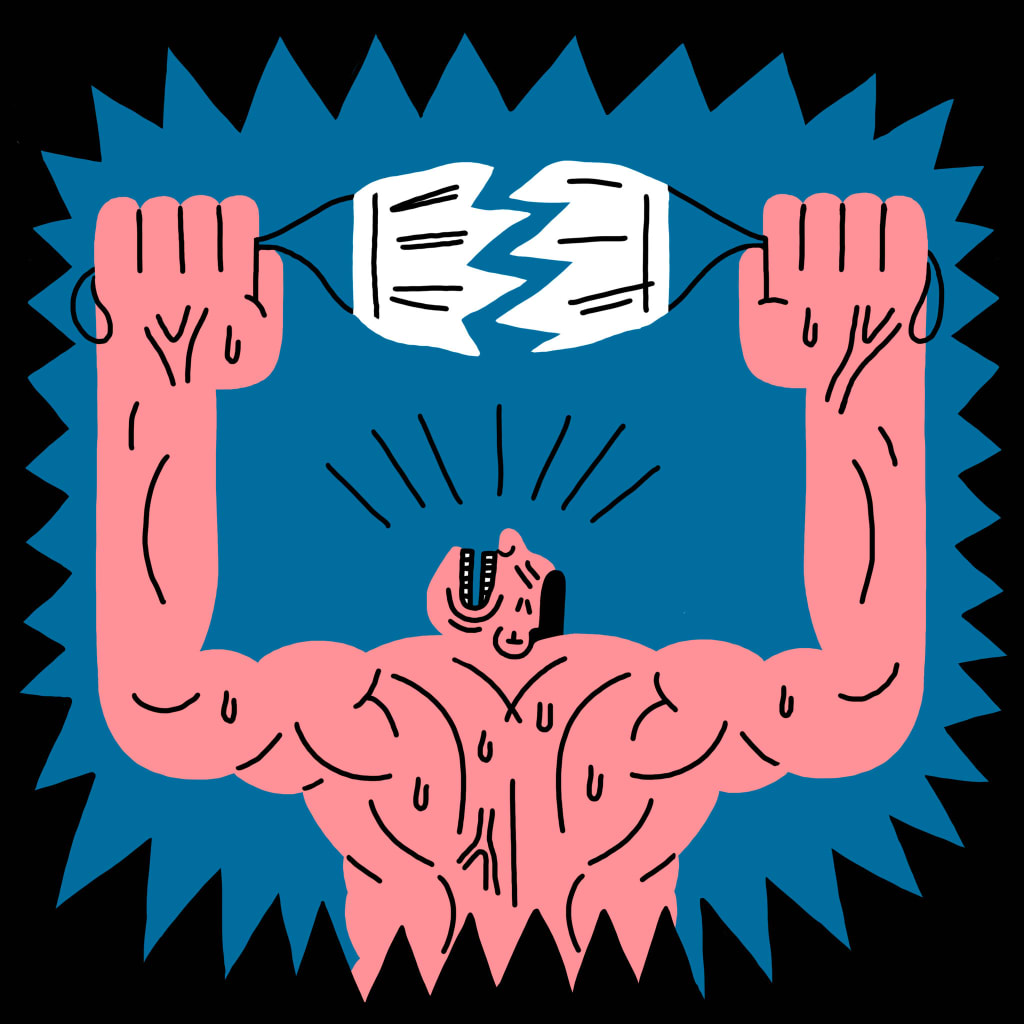
Toxic masculinity refers to the adherence to rigid societal expectations of what it means to be a man, often characterized by traits such as aggression, emotional suppression, dominance, and an aversion to vulnerability. It is crucial to note that toxic masculinity does not imply that all men exhibit these behaviors, but rather points to the negative impact of societal pressures and gender norms on individuals.
Manifestations and Consequences:
Toxic masculinity manifests in various ways, impacting both men and those around them. Aggressive behavior, the suppression of emotions, and a sense of entitlement contribute to a culture of violence, objectification, and power imbalances. Men who conform to toxic masculine ideals may struggle with mental health issues, perpetuate gender inequalities, and experience difficulties in forming genuine and healthy relationships.
Media Influence and Cultural Factors:
The media plays a significant role in perpetuating toxic masculinity through portrayals of hypermasculine stereotypes in movies, advertisements, and other forms of popular culture. Cultural factors, such as traditional gender roles and societal expectations, reinforce the harmful notion that men must be strong, dominant, and unemotional, while suppressing qualities typically associated with femininity.
Breaking the Cycle:
Breaking the cycle of toxic masculinity requires a collective effort from individuals, communities, and institutions. Education plays a vital role in challenging traditional gender norms and promoting gender equality. Encouraging open dialogue about emotions, supporting diverse expressions of masculinity, and fostering empathy and respect are key steps towards dismantling harmful stereotypes.
Promoting Healthy Masculinity:
Promoting healthy masculinity involves redefining the concept of manhood to include positive traits such as emotional intelligence, empathy, and the ability to build healthy relationships. This shift requires society to celebrate diverse expressions of masculinity, provide positive role models, and encourage men to embrace vulnerability and seek help when needed.
Fostering Inclusivity and Equality:
Addressing toxic masculinity also intersects with the broader goal of fostering inclusivity and gender equality. By dismantling harmful gender stereotypes, we create a society where people of all genders can freely express themselves, pursue their interests, and contribute to their fullest potential. Challenging toxic masculinity benefits not only men but also women and non-binary individuals, as it fosters healthier relationships, reduces gender-based violence, and creates a more equitable society.
A Few Additional Points:
Mental Health Implications: Toxic masculinity can have severe consequences on men's mental health. The pressure to conform to masculine norms often leads to emotional suppression, making it difficult for men to seek help and express their feelings. This can contribute to higher rates of depression, anxiety, and even suicide among men.
Intersectionality and Toxic Masculinity: It's important to acknowledge that the impact of toxic masculinity is not uniform across all groups. The experiences of men from marginalized communities, such as men of color, LGBTQ+ individuals, or individuals with disabilities, may be compounded by the intersectionality of their identities. Intersectional perspectives shed light on how toxic masculinity interacts with other systems of oppression, highlighting the need for inclusive solutions.
Unhealthy Relationship Dynamics: Toxic masculinity perpetuates unhealthy relationship dynamics, including the objectification of women, the normalization of violence, and the reinforcement of power imbalances. These dynamics contribute to higher rates of domestic violence, sexual harassment, and the perpetuation of rape culture.
Role of Education and Parenting: Education systems and parents play a vital role in addressing toxic masculinity. Comprehensive sexual education programs can challenge harmful gender stereotypes and promote healthy relationships. Parents can foster open communication, teach consent, and encourage their children to embrace their full range of emotions.
Positive Masculinity in Media: While media has been known to perpetuate toxic masculinity, it also has the power to promote positive role models and challenge harmful stereotypes. Highlighting diverse and multidimensional male characters in movies, TV shows, and advertisements can provide counter-narratives to toxic masculinity and shape healthier perceptions of manhood.
Empowering Men as Allies: Addressing toxic masculinity requires the active participation of men as allies in the movement for gender equality. Men can support feminist causes, challenge oppressive norms, and engage in conversations that dismantle toxic attitudes and behaviors within their own circles of influence.
Creating Safe Spaces: Establishing safe spaces and support networks for men to discuss their experiences, emotions, and challenges can help break the isolation and stigma associated with toxic masculinity. Men's groups, therapy, and mentorship programs offer avenues for self-reflection, personal growth, and building healthier relationships.
Conclusion:
Toxic masculinity remains a pressing issue in the modern age, perpetuated by societal norms and cultural influences. Recognizing and addressing this harmful phenomenon is crucial for fostering healthier, more inclusive communities. By challenging traditional gender roles, promoting positive expressions of masculinity, and advocating for gender equality, we can create a society that values empathy, emotional well-being, and mutual respect. Breaking the cycle of toxic masculinity is a shared responsibility that requires collective action to shape a better future for all.
About the Creator
Keep reading
More stories from Váradi Ákos and writers in Men and other communities.
The Illuminati: Unveiling the Historical and Modern Perspectives
Introduction: The Illuminati has remained a topic of fascination and intrigue for centuries. Often shrouded in mystery and conspiracy theories, the concept of the Illuminati has captivated the imaginations of many. In this essay, we will explore the historical origins of the Illuminati, its alleged activities, and the modern-day interpretations surrounding this secretive group.
By Váradi Ákos3 years ago in Education
Why You're Getting Friendzoned (And How to Fix It)
Getting stuck in the friendzone happens to countless guys who wonder why their romantic interest sees them as "just a friend." For men who keep finding themselves in this frustrating situation, understanding the real reasons behind getting friendzoned is the first step toward changing the pattern.
By LaMarion Ziegler3 days ago in Men
Wild Card Weekend Recap: What Happens Now?
I think I figured out why I love Wild Card Weekend so much. It's because it's the first playoff anything of the calendar year. The NFL season starts in the fall, and once upon a time, the champion was crowned either on or slightly before New Year's. The evolution of the NFL schedule has resulted in the playoffs starting just into the New Year, and currently, the final week of the season falls on the first weekend of the New Year, with Wild Card Weekend coming a week after that. So yes, chronologically, the NFL's Wild Card Weekend serves as the first playoff anything of the calendar year.
By Clyde E. Dawkins5 days ago in Unbalanced



Comments
There are no comments for this story
Be the first to respond and start the conversation.