
Too Much Salt May Be Hurting Your Prostate — Here’s What the Science Says
High-Salt Diet May Worsen Chronic Prostatitis
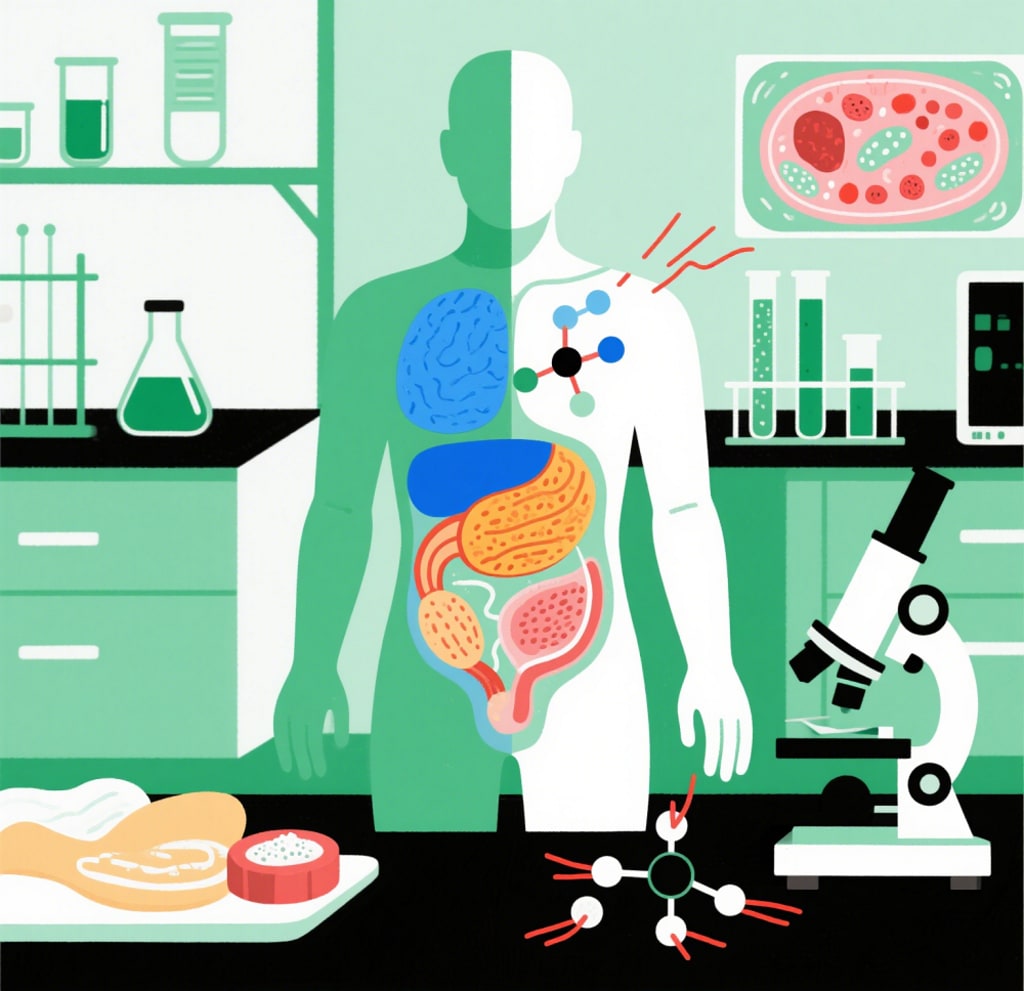
When it comes to prostate health, most men worry about age or genetics. But did you know something as simple as the salt in your food might be making things worse?
A groundbreaking study recently published in the journal Aging Cell by researchers from Ruijin Hospital (Shanghai Jiao Tong University School of Medicine) and international partners has uncovered a surprising link: a high-salt diet could aggravate chronic prostatitis/chronic pelvic pain syndrome (CP/CPPS)—a condition that causes pain and urinary problems in men.
The Hidden Danger in Your Diet
We already know too much salt isn't great for your heart. But this study reveals it may also mess with your gut microbiome, affect important metabolites, and trigger immune responses that worsen prostatitis symptoms.
In simpler terms: salty food could be fueling your inflammation—and your pelvic pain.
What Is CP/CPPS, and Why Should You Care?
CP/CPPS is a common but frustrating condition among men, often causing long-term pelvic pain, discomfort during urination, and a serious hit to quality of life. It’s tricky to diagnose and hard to treat. One of the key players in this disease is a type of immune cell called Th17, which produces inflammatory chemicals and drives chronic inflammation.
Interestingly, recent findings show that too much salt in the diet can activate these very Th17 cells, potentially making symptoms worse.
What the Study Found
Researchers looked at both human patients and lab mice. In humans, they used a prostatitis symptom scoring system and found that men who ate more salt had more severe symptoms.
In mice, the team created a model of prostatitis and split them into two groups: one with a normal diet, the other with a high-salt diet. After just six weeks, the high-salt mice showed:
More inflammation in their prostate tissue
Increased sensitivity to pain
Higher levels of inflammatory markers in their blood
More Th17 cells, especially in the prostate
How Is Salt Doing All This?
The key seems to lie in your gut bacteria. A high-salt diet changed the makeup of gut microbes, reducing beneficial bacteria like Lactobacillus. It also lowered levels of a substance called 5-HIAA, which normally helps regulate inflammation through a receptor known as AHR.
In follow-up experiments, when researchers transferred gut bacteria from salt-fed mice into healthy mice, the new mice developed worse prostatitis symptoms too. That means it’s not just the salt itself—it’s how salt changes your gut ecosystem.
When scientists gave 5-HIAA back to the mice, their inflammation improved. But when they blocked the AHR receptor, the improvement disappeared. This confirmed that the 5-HIAA/AHR pathway plays a key role in calming down inflammation.
A Full Chain Reaction
Here’s what happens step-by-step:
High-salt diet
Disrupted gut microbiota
Lower 5-HIAA levels
Weakened AHR activation
Overactive SGK1/FOXO1 signaling (which boosts Th17 inflammation)
Worse CP/CPPS symptoms
It’s a domino effect—and it all starts with the salt on your plate.
Traditional Chinese Medicine Offers a Natural Approach
Alongside diet changes and potential microbiome treatments, Traditional Chinese Medicine (TCM) may offer a complementary solution. One popular herbal remedy is the Diuretic and Anti-inflammatory Pill.
This formula, made from a blend of herbs, is used in China to:
Promote urination and reduce swelling
Clear heat and toxins from the body
Improve blood circulation
Alleviate chronic pelvic pain and urinary symptoms
Many men with CP/CPPS turn to this remedy when conventional treatments fall short. It addresses the condition from a holistic angle—supporting the immune system, fighting inflammation, and restoring balance to the body.
When combined with a low-salt diet and gut-friendly habits, this traditional formula could offer much-needed relief.
What Can You Do?
This study is a wake-up call. Your diet matters more than you think—especially when it comes to prostate health.
Here are 4 quick tips:
Cut back on salty foods. Watch out for processed snacks, canned goods, and restaurant meals.
Support your gut. Eat more fiber, fermented foods, and consider probiotics.
Talk to your doctor. If you’re struggling with CP/CPPS, discuss both conventional and alternative options.
Consider herbal support. The Diuretic and Anti-inflammatory Pill might be worth exploring—especially for chronic cases.
Final Thoughts
Chronic prostatitis is more than just an inconvenience—it can seriously affect your daily life. But thanks to new research, we’re starting to understand how diet, gut health, and immune function are deeply connected.
A high-salt diet may be silently working against you. It’s time to take control—cut the salt, care for your gut, and consider integrating time-tested herbal solutions into your wellness routine.
Your prostate will thank you.
About the Creator
Healthylifestyle
I offer actionable guidance on reproductive wellness, holistic remedies, and healthy lifestyle choices. Come along as we embark on a journey to improve your health and empower your well-being!
Keep reading
More stories from Healthylifestyle and writers in Men and other communities.
Can Diet and Exercise Help Treat Prostatitis?
Prostatitis, a condition causing inflammation of the prostate gland, is becoming increasingly common, especially among younger men leading sedentary lifestyles. If you’re dealing with symptoms like frequent urination, discomfort, or pelvic pain, you might be wondering: Can diet and exercise really make a difference? The answer is a resounding yes! By combining targeted nutrition and movement with treatments like the Diuretic and Anti-inflammatory Pill, you can support your body’s healing process and reclaim your health. Let’s dive into how everyday choices can become powerful allies in managing prostatitis.
By Healthylifestyle8 months ago in Men
How to Handle a Midlife Crisis Like a Champion
Feeling stuck, restless, or questioning everything about your life? You're not alone. Millions of people experience a midlife crisis between their 40s and 60s, and while it feels overwhelming, you can absolutely navigate this challenging time with confidence and purpose.
By LaMarion Ziegler6 days ago in Men



Comments (1)
I had no idea high-salt diet could mess with prostate health. Gotta watch my sodium intake from now on. This study's findings are eye-opening. I'll be more mindful of how much salt I'm putting in my food.