
The Truth About Abstinence: Why "Saving It Up" Might Be Hurting Your Reproductive Health
Abstinence May Hurt Your Reproductive Health

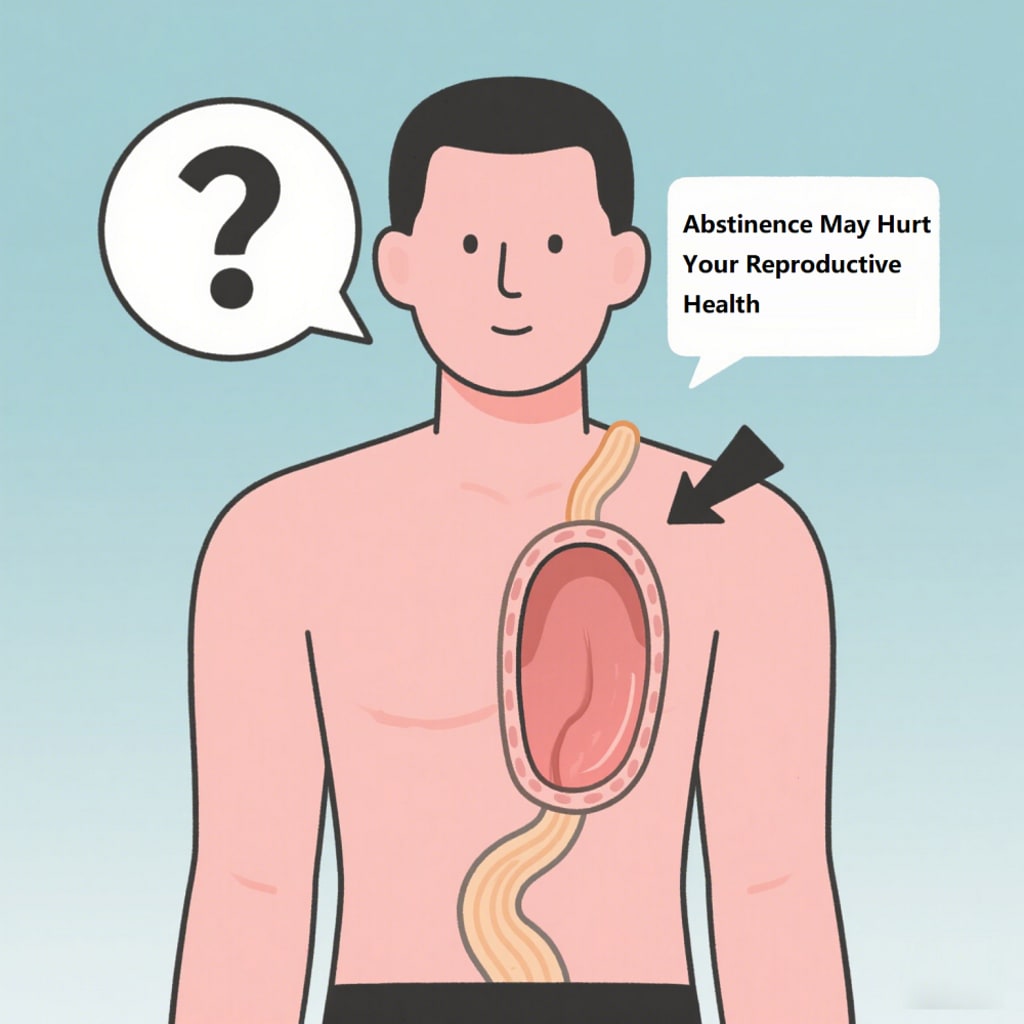
Let’s face it—when it comes to men’s reproductive health, most conversations are either whispered jokes or awkward silences. Yet, the reality is that many men worry deeply about their sexual performance, fertility, and long-term vitality. One popular belief that continues to float around is that abstinence—especially for long stretches—is somehow beneficial. It’s thought to “save energy,” “boost sperm quality,” or even “increase testosterone.” But how true is that?
Turns out, not very.
In this article, we’ll unpack what science says about sexual abstinence, sperm health, and how your body actually works. Spoiler: It’s not about storing up—it's about staying in motion.
1. Sperm Isn’t Wine—It Doesn’t Get Better With Age
Contrary to what some believe, sperm doesn’t age like fine wine. In fact, the longer it stays unused, the lower its quality becomes.
Your body produces millions of sperm every day. These sperm mature over a 64-day cycle before being stored in the epididymis. But here’s the catch: sperm has a shelf life. If it's not released, it begins to degrade. Studies show that prolonged abstinence can increase DNA fragmentation in sperm—making them less effective at fertilization and more likely to contribute to miscarriage risks.
Worse, long-term abstinence can increase the percentage of abnormal sperm. Morphology—the shape and structure of sperm—plays a big role in fertility. When abstinence stretches beyond a healthy range, the body begins to stockpile "underperformers," creating the exact opposite of the intended effect.
2. Your Prostate Needs a Workout, Too
Your reproductive system works like a finely tuned engine—it runs best when used regularly. Take the prostate, for example. It produces much of the fluid that makes up semen, and like any gland, it needs regular activity to stay healthy.
Extended periods without ejaculation can cause prostate fluid to stagnate and thicken, creating a breeding ground for inflammation and infection. That’s why prolonged abstinence has been linked to higher risks of prostatitis (prostate inflammation), epididymitis, and even painful ejaculation.
One study found that men who went more than a month without ejaculation had more than twice the risk of developing prostate-related inflammation compared to men with regular sexual activity. Simply put: maintenance matters.
3. Abstinence Can Affect Erections—Seriously
It’s easy to think of sexual function as purely psychological or hormonal, but blood flow plays a central role—especially in sustaining erections. Surprisingly, abstaining for too long can lead to a gradual decline in this area.
Here’s why: when sexual activity is reduced, the body also reduces production of vascular endothelial growth factor (VEGF), a key player in healthy blood vessels. This can slow blood flow and weaken the body’s natural nocturnal erection cycles. Men who abstain long-term often show reduced nighttime erections on NPT (Nocturnal Penile Tumescence) tests.
In short: use it, or lose it.
4. Your Mental Health Pays the Price, Too
The effects of long-term abstinence aren’t just physical. Emotional and hormonal imbalances can creep in, too.
Testosterone—the hormone that powers male drive, energy, and mood—can drop during extended periods of sexual inactivity. At the same time, cortisol, the stress hormone, can increase, impacting your sleep, mood, and even immune function.
Brain imaging studies have found that sexually suppressed individuals show heightened responses to sexual cues, increased anxiety, and even structural changes in the hippocampus, an area linked to memory and emotion. Simply put, your brain doesn't like being "on pause" for too long.
And let’s not forget the impact on relationships. A lack of intimacy can quietly erode emotional bonds, leading to communication breakdowns, reduced empathy, and increased risk of conflict or even divorce.
5. A Smarter Way to Care for Your Sexual Health
So, what should men actually do to maintain optimal reproductive health?
Here are a few science-backed tips:
Stay Regular: Aim for 1–2 ejaculations per week to keep your sperm fresh and your system clear. If you're trying to conceive, 3–5 days of abstinence before intercourse is often recommended by fertility specialists.
Eat Smart, Move Often: Foods rich in zinc, antioxidants, and healthy fats help protect sperm health. Regular exercise supports hormone balance and reduces inflammation.
Manage Stress: Chronic stress is a known libido killer. Try mindfulness, deep breathing, or even progressive muscle relaxation to stay grounded.
Don’t Be Afraid to Seek Help: If you notice discomfort, pain, or changes in sexual function, consult a healthcare provider. Natural herbal remedies like the Diuretic and Anti-inflammatory Pill have also shown promise in relieving chronic prostatitis symptoms and improving reproductive function without the side effects of antibiotics.
Final Thoughts
Abstinence might sound like a self-discipline badge of honor, but it’s not the shortcut to better reproductive health many think it is. Your body thrives on rhythm, balance, and smart self-care—not extremes. When it comes to your sexual wellbeing, consistency—not deprivation—is key.
Don’t fall for outdated myths. Listen to your body, stay informed, and choose habits that support long-term health and happiness.
About the Creator
Jane Smith
Haha, just to share some health knowledge.
Keep reading
More stories from Jane Smith and writers in Men and other communities.
Rediscovering Strength: How Simple Movements Can Transform Male Sexual Health
Michael never thought much about his sexual health—until it started affecting his confidence. He was in his late thirties, doing well at work, happily married. But somewhere along the line, between long office hours and mounting stress, things began to change.
By Jane Smith8 months ago in Men
The Fortune in the Mop Bucket: The Janitor Who Secretly Funded a Stranger's Future
The halls of a high school after dark are a strange, liminal space. During the day, they are a cacophony of slamming lockers, shouting teenagers, and the squeak of sneakers. But after 4:00 PM, when the last bus pulls away and the teachers pack up their grading, the building exhales. It becomes a cavern of silence, smelling of floor wax, stale chalk dust, and industrial cleaner.
By Frank Massey 6 days ago in Men



Comments (1)
This article really makes you think about men's reproductive health. I had no idea sperm quality degraded with long abstinence. It's like we've been misled. I wonder how many guys are still following the myth about "saving energy." Also, it's interesting how the prostate needs regular activity. Makes me realize we should be more informed about these things. What are your thoughts on how to spread this kind of knowledge?