
The Hidden World of Microbes: How Tiny Organisms Shape Our Lives
Clearly ties microbes to health, environmental sustainability, and cutting-edge science, appealing to readers’ curiosity about practical, real-world impacts.

Introduction: The Unseen Universe
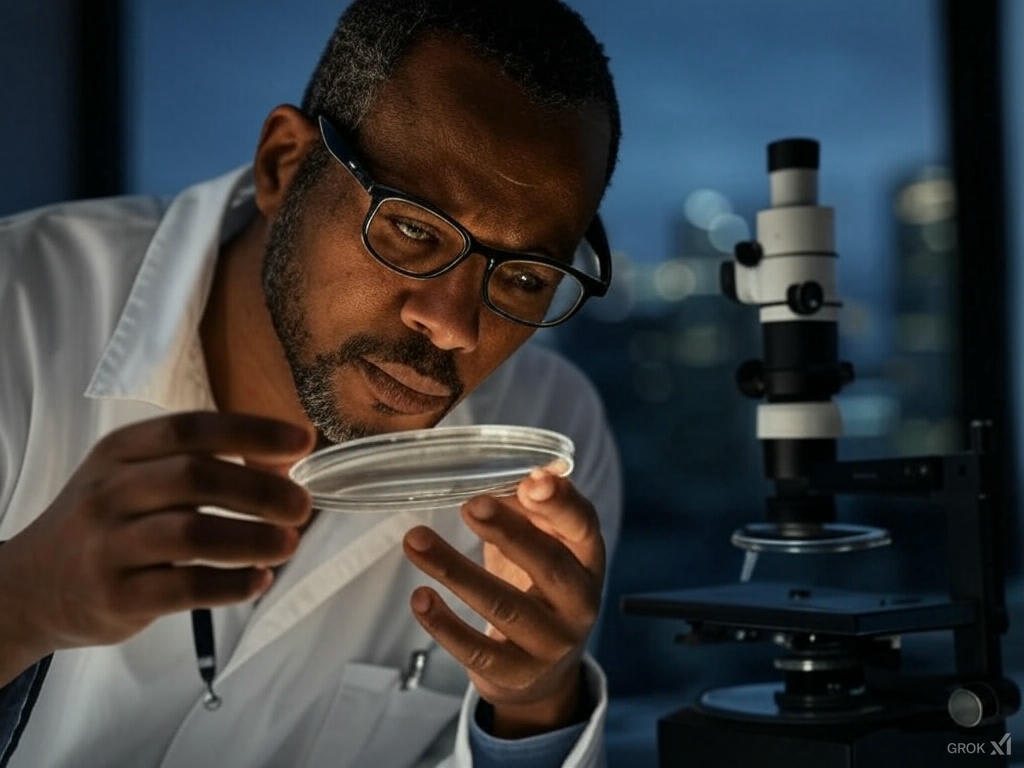
Imagine a world teeming with life—countless organisms working, fighting, and thriving in every corner of the planet. Now shrink that world down to a scale so small it’s invisible to the naked eye. This is the realm of microbes: bacteria, viruses, fungi, and archaea. Though they’re often misunderstood as mere “germs,” these tiny organisms are the unsung heroes (and sometimes villains) of our existence. From the food we eat to the air we breathe, microbes shape our lives in ways science is only beginning to unravel. Let’s dive into their hidden world and discover how these microscopic marvels hold the keys to our health, our planet, and our future.
Chapter 1: Microbes and Human Health—Friends or Foes?
When you hear the word “microbes,” you might think of illnesses like the flu or food poisoning. But the truth is, only a tiny fraction of microbes cause disease. Most are harmless, and many are essential to our survival.
The Gut Microbiome: Your Body’s Ecosystem
Inside your intestines lives a bustling community of trillions of microbes, collectively called the gut microbiome . These bacteria help digest food, produce vitamins (like vitamin K and some B vitamins), and even train your immune system to fight harmful invaders. Recent studies, like a 2022 breakthrough in Nature , reveal that a balanced microbiome can protect against conditions like diabetes, obesity, and even depression.
But when this balance is disrupted—say, by antibiotics or a poor diet—“bad” bacteria can take over, leading to infections or chronic inflammation. This is why probiotics (found in yogurt and fermented foods) and fecal transplants (yes, transferring gut bacteria from a healthy donor!) are becoming popular treatments.
Antibiotics: A Double-Edged Sword
Alexander Fleming’s discovery of penicillin in 1928 revolutionized medicine, saving millions from bacterial infections. But overuse of antibiotics has led to antibiotic-resistant superbugs , which kill over 1.2 million people annually. Scientists are now turning to microbes themselves for solutions, like phage therapy—using viruses that infect and kill bacteria—to combat these resistant strains.
Chapter 2: Microbes in Agriculture—Feeding the World
Long before chemical fertilizers, farmers relied on microbes to keep soil fertile. Today, as climate change threatens global food security, these ancient partnerships are making a comeback.
Soil Microbes: Nature’s Fertilizers
Bacteria like Rhizobia form symbiotic relationships with plant roots, converting atmospheric nitrogen into a form plants can use. This natural fertilizer reduces the need for synthetic chemicals, which degrade soil and pollute water. In 2023, a study in Science showed that soil microbes could boost crop yields by up to 30% while cutting greenhouse gas emissions.
Biopesticides: Fighting Pests the Microbial Way
Instead of toxic pesticides, farmers are using microbes like Bacillus thuringiensis (Bt) to target insects without harming humans or beneficial pollinators. Even more exciting? CRISPR gene-editing technology is being used to engineer microbes that protect crops against drought and disease.
Chapter 3: Environmental Superheroes—Cleaning Up Our Mess
Microbes don’t just live in our bodies and soil; they’re everywhere, even in the harshest environments. And they’re masters of cleanup.
Bioremediation: Microbes to the Rescue
When oil spills devastate oceans, bacteria like Alcanivorax feast on hydrocarbons, breaking down pollutants. In landfills, microbes convert organic waste into methane, which can be harnessed as renewable energy. Scientists are now engineering “super-microbes” to tackle plastic pollution, offering hope for a cleaner planet.
Climate Change Allies
Microbes play a starring role in the carbon cycle. Ocean-dwelling phytoplankton absorb CO2 during photosynthesis, producing half the world’s oxygen. Meanwhile, soil microbes store carbon underground, making them vital in the fight against global warming. A 2024 study highlighted that restoring microbial diversity in farmland could capture billions of tons of CO2 annually.
Chapter 4: Recent Breakthroughs—The Future Is Microbial
The last decade has seen mind-blowing discoveries in microbiology, with implications for medicine, space exploration, and beyond.
mRNA Vaccines: A Microbial Marvel
The Pfizer and Moderna COVID-19 vaccines owe their success to decades of research on microbial RNA. This technology could soon lead to vaccines for HIV, malaria, and even cancer.
Synthetic Biology: Building Life from Scratch
In labs, scientists are designing synthetic microbes to produce insulin, biofuels, and even “living medicines” that detect and treat diseases from within the body. Companies like Ginkgo Bioworks are using yeast engineered with microbial genes to create sustainable alternatives to palm oil and animal leather.
Astrobiology: Microbes in Space
Could microbes help us colonize Mars? NASA’s Perseverance rover is searching for signs of ancient microbial life on the Red Planet. Meanwhile, experiments on the International Space Station are testing whether microbes can grow food or produce oxygen in space—a crucial step for interplanetary travel.
Conclusion: Embracing Our Microbial Partners
Microbes are the ultimate survivors, having thrived on Earth for 3.5 billion years. They remind us that life is interconnected, with every organism playing a role in the web of existence. As we face challenges like pandemics, food shortages, and climate change, microbes offer solutions—if we learn to work with them instead of against them.
So next time you wash your hands or sanitize a surface, remember: not all microbes are enemies. Many are our oldest allies, quietly shaping a healthier, more sustainable world. The future is small—and it’s magnificent.
About the Creator
kalu ram meena
Inventive narrator mixing creative mind and knowledge. From nature's excellence to life's examples, I create content to rouse, illuminate, and enrapture. Go along with me on an excursion of revelation, each story in turn!
Keep reading
More stories from kalu ram meena and writers in Men and other communities.
The Hidden World of Microbes: How Tiny Organisms Shape Our Lives
Introduction to My Journey It was a period where I was frustrated with my ongoing digestive issues, and I was looking for answers. Gut bacteria came up in conversation with a friend, and my curiosity led me to discover a hidden empire of microbes and how they influence our lives.
By kalu ram meenaabout a year ago in Lifehack
SIGNS OF of A HIGH VALUE MAN:
1. He Has a Job and Takes Responsibility A high-value man understands the importance of responsibility. Whether he is building a career, running a business, or working toward something meaningful, he believes in earning his way and standing on his own feet. He does not rely on others to carry his burdens or solve his problems. Instead, he takes ownership of his life and the direction it is going. Responsibility also shows in the way he handles commitments, whether personal or professional. People trust him because he follows through on what he promises.
By The Curious Writer5 days ago in Men



Comments
There are no comments for this story
Be the first to respond and start the conversation.